
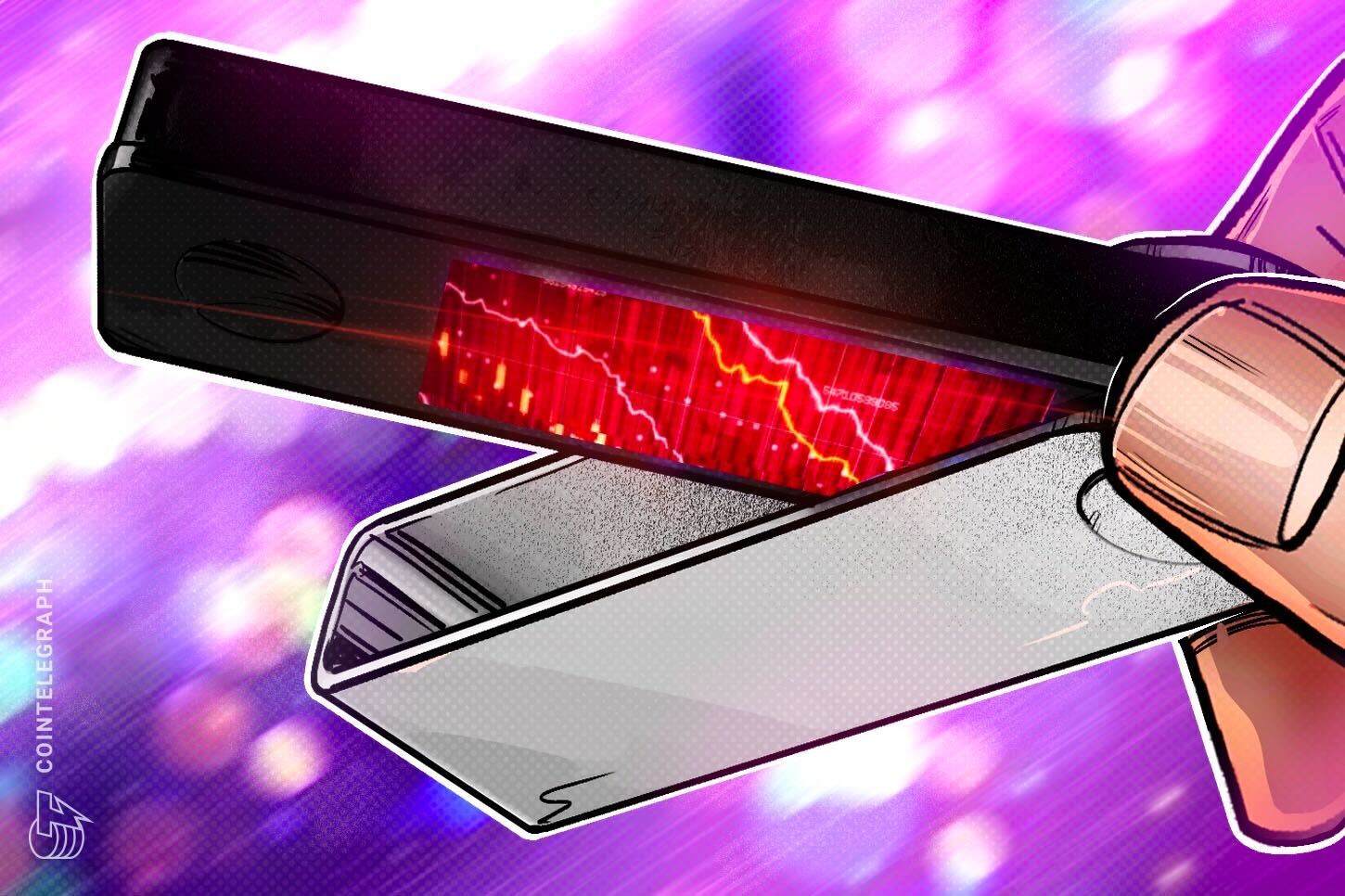
The newly discovered Ledger exploit has stirred broad industry debate over the safety of hardware wallets compared to effectively custodying Bitcoin holdings through exchange-traded funds (ETFs).
Ledger implant tests Bitcoin ETFs as safer custodial solutions than hardware wallets
The discovery of an unauthorized Ledger hardware implant reignited debate on whether Bitcoin ETFs are safer than self-custodying Bitcoin via hardware wallet devices.
Cointelegraph by Zoltan Vardai
Publisher Cointelegraph
Oct 12, 2026 at 2:07 PM UTC · 2 min de leitura
Entities
bitcoin
Market Impact
BTC-0.07%$83,402
Last Updated
há 19 horas
Traduzindo…
Bitcoin analyst Plan B said his then-controversial decision to move his Bitcoin (BTC) holdings to ETFs in 2025 was the right call in light of the recent Coldcard and Ledger exploits. “Zero regrets” about my ETF decision, wrote the analyst in a Monday X post.
Large holders have been converting self-custodied assets to ETFs for “enhanced security” for years, which is one of the main “selling points” for ETFs, 21Shares co-founder Ophelia Snyder told Cointelegraph in an email on Monday, adding that the recent exploits made this phenomenon part of the “public discourse.”
The remarks follow the discovery of a compromised Ledger wallet that contained an unauthorized hardware implant. Some blockchain investigators estimated that losses from these implants could top $86 million, raising questions about the security of self-custodial cold wallets.
Related: Standard Chartered plans institutional crypto custody in Singapore
Hardware wallets are still safe, but providers need better threat modelling: Adam Back
Market Context
Bitcoin
BTC
$83,402
-0.07% (24H)
Market Cap
$1.68T
Circulating Supply
20.1M BTC
24H Volume
$31.9B
24H High
$84,053
Article Intelligence
Key Entities
Related Coverage
 CryptoBTC Price Bitcoin TA BTC Technical Analysis October 2026há 24 minutos · 1 min read
 CryptoBitcoin's 3% Technical Rebound: Macro Selloff Aftermathhá uma hora · 2 min read
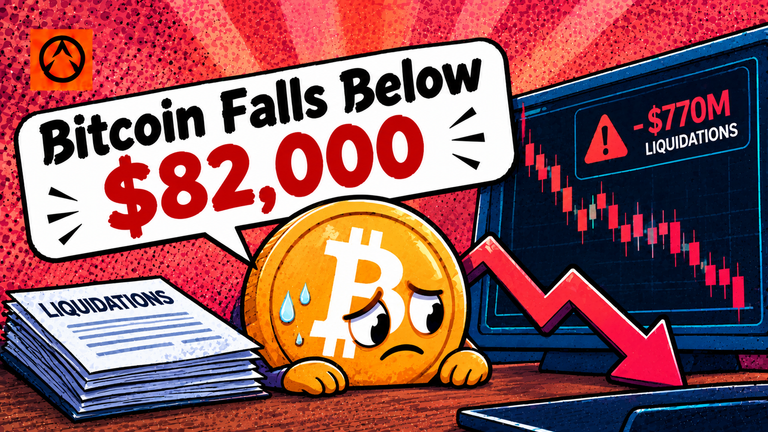 CryptoBitcoin Falls Below $82K as $770M in Crypto Liquidations Hithá 2 horas · 1 min read
Sponsored
Ad
NewsLayerLearn more
NewsLayer Premium
Unlock deeper intelligence.
Ad-free reading, exclusive research, and real-time onchain insights.
Go Premium