

The United States is closer than it has ever been to a coherent framework for digital assets, and the accounting profession has a direct stake in getting the next few months right.
Processing Content
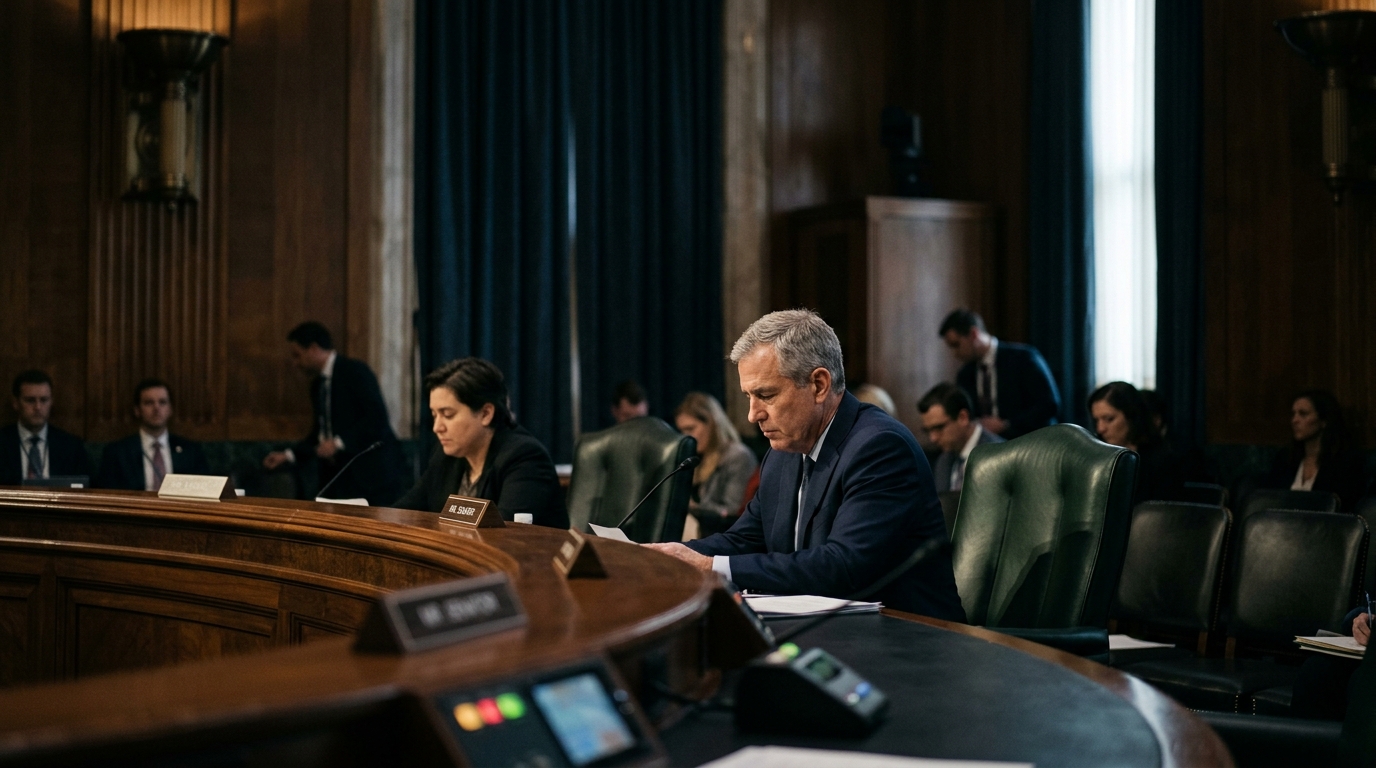
The Digital Asset Market Clarity Act cleared the House in July 2025 on a 294–134 vote and was reported out of the Senate Banking Committee in June. It now awaits floor action. Passing it should be a priority not because the Clarity Act is an end in itself, but because the alternative is what we already have: a patchwork of enforcement actions, conflicting or unclear guidance, and activity migrating to overseas jurisdictions that made up their minds years ago. This patchwork and sluggish regulatory process has played a part in slowing down U.S. innovative practices as well as encouraging firms to domicile (and hire) overseas versus in the U.S.
Clarity does the unglamorous work that markets actually need. It draws a workable line between the SEC's and CFTC's authority, defines when a token is a security versus a commodity, and gives developers and custodians rules they can build compliance programs around. For accountants advising clients in this space, statutory definitions replace guesswork. That is worth far more than another round of speeches about American leadership.
But market structure is only half the equation, and it is the half Washington talks about most. The other half, taxes and tax compliance, is where a large chunk of the profession lives, and where reform is lagging behind the rhetoric. While proposed legislation, specifically the PARITY Act, has been put forward, the pace of legislative debates and progress has remained stuck in slow gear. As of the 2025 tax year, brokers must issue Form 1099-DA, with cost basis reporting set to start for the 2026 tax season. In principle, standardized reporting is a good thing. In practice, the forms often report gross proceeds with no reliable cost basis, fail to capture holding periods, and ignore non-custodial activity entirely. Additionally, there is still a lack of guidance related to issues such as the cost basis for exchange transfers, which for higher-volume traders and users of cryptoassets can present a significant reporting and disclosure issue.
The result lands on preparers and their clients, who are left reconciling thousands of transactions across exchanges, wallets and protocols against data that does not match what the IRS received. Reporting that produces a fragmented, inaccurate picture is not transparency, but merely additional opportunities for taxpayers (and preparers) to get tripped up while trying to be in compliance. In addition to the compliance issues, there are quantifiable costs connected to these disparate data sources and lack of standardized formats, on top of errors that inevitably have occurred due to these inconsistencies.