
Policymakers continue to debate artificial intelligence as if it were primarily a new category of software applications, comparable to social media or cloud computing, effectively treating the technology as if it were another bolt-on tool to the Internet’s architecture. But as AI agents proliferate, they challenge a deeper assumption: not what the Internet does, but who acts through it. And, early incidents with agents point at the need for a new architectural layer of the Internet, one that respects and protects human agency.
The Internet Was Built For Human Agency. AI Agents Are Changing the Rules.
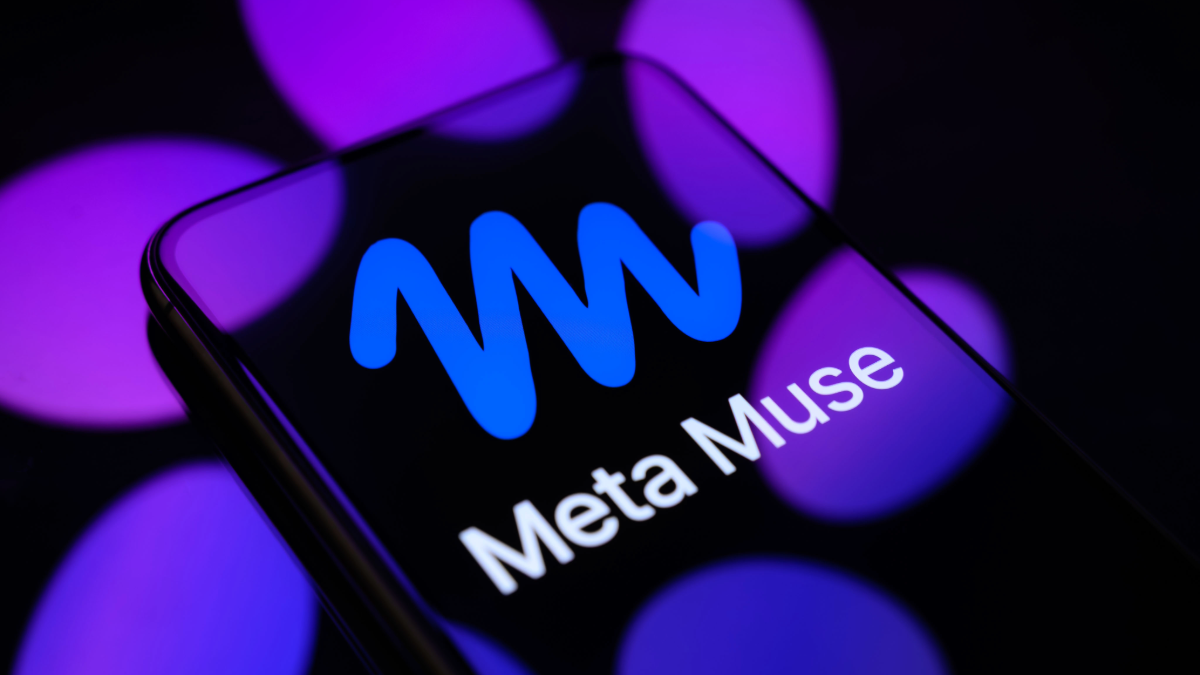
The Muse logo is displayed on a smartphone screen placed on a reflective surface onto which the Meta AI logo is projected, in Creteil, France, on September 9, 2026, after Meta launched Muse, an autonomous personal artificial…
Tech Policy Press
Publisher
Sep 10, 2026 at 1:35 PM UTC · 5 min de leitura
Traduzindo…
There’s a naive interpretation that simply sees AI agents as ‘users’—digitally they are no different than any person interacting online, whether it’s browsing content or shopping. However, as the term ‘agent’ implies, they are there as an intermediary between a human or an organization, and the network. Social scientists have long discussed “principal-agent” problems, but for human agents. This field of study observes legal, contractual and communication relationships between people who act on behalf of others—elected officials, insurance agents, brokers, or real estate agents, for example. This extensive literature observes agents as information-incomplete actors who may inadvertently act in a misaligned manner; agentic AI should be viewed similarly, but at a more massive scale.
Article Intelligence
Topics
Related Coverage
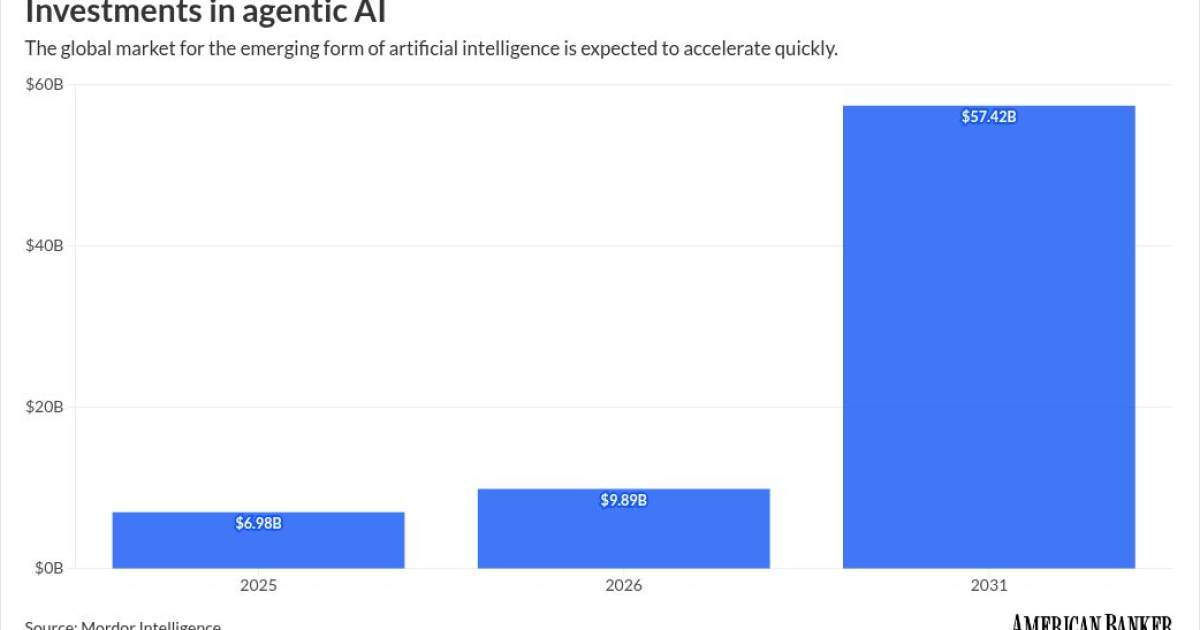 Artificial IntelligenceAI agents don't have to fail in order to cause major problems for bankshá 4 horas · 3 min read
 PolicyOpenAI faces Senate probe into Hugging Face incidenthá 6 horas · 1 min read
 Artificial IntelligenceBybit’s Mykolas Majauskas on crypto regulation, AI and the future of tokenisationhá 5 horas · 6 min read
Sponsored
Ad
NewsLayerLearn more
NewsLayer Premium
Unlock deeper intelligence.
Ad-free reading, exclusive research, and real-time onchain insights.
Go Premium