
Even if the U.S. artificial intelligence investment boom cools and sends shockwaves through credit markets, government intervention could expand dollar liquidity and actually become a bullish catalyst for Bitcoin (BTC), according to a prominent crypto industry figure.
Arthur Hayes Says Bitcoin Will Rise Even If AI Bubble Bursts—Government Intervention Will Boost Liquidity
Even if the U.S. artificial intelligence investment boom cools and sends shockwaves through credit markets, government intervention could expand dollar liquidity and actually become a bullish catalyst for Bitcoin (BTC), according to a…
finance.biggo.com
Publisher
Sep 22, 2026 at 6:25 AM UTC · 5 dk okuma
Entities
bitcoin
Market Impact
BTC-2.05%$84,635
Last Updated
bir gün önce
Çevriliyor…
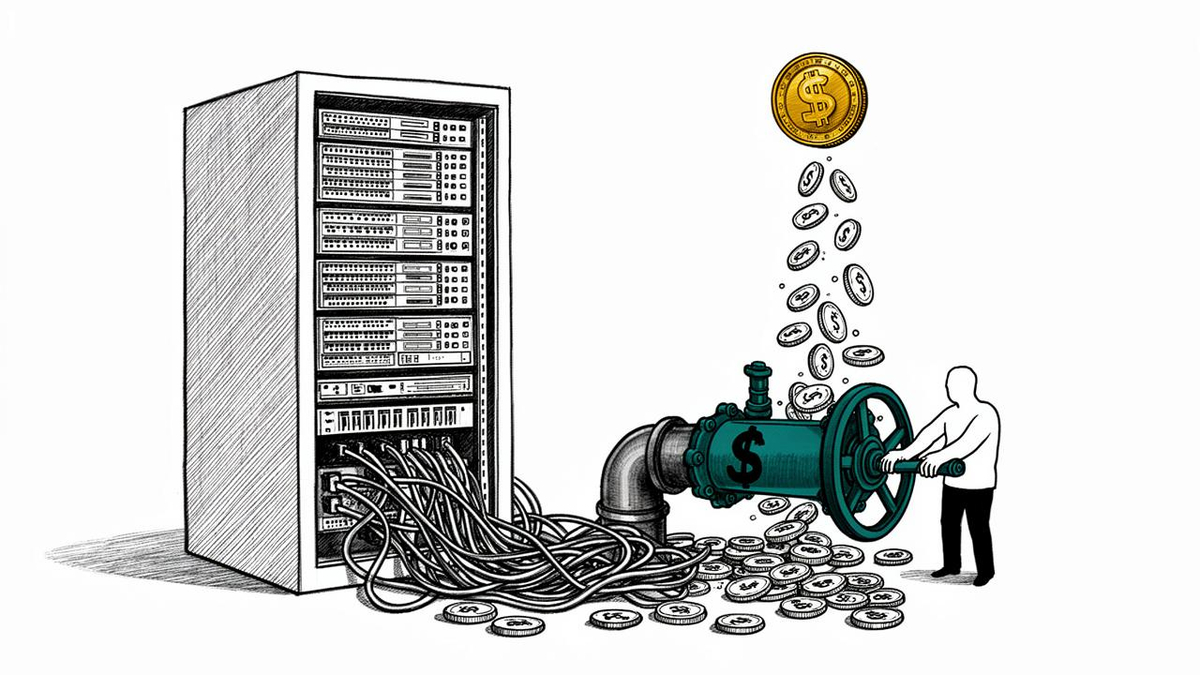
BitMEX co-founder Arthur Hayes, in an essay titled "Safety First" published on the 22nd (local time), laid out two ways the U.S. government could respond if stress hits AI-related credit markets. One is for the government to step in as a "compute buyer of last resort," purchasing AI computing resources. The other is to backstop insurers exposed to AI-linked debt.
"In either case, the government's response would increase dollar liquidity, which would be positive for Bitcoin and other crypto assets," he wrote.
The backdrop to Hayes's forecast is the recent push by U.S. AI companies to slow their development timelines. He argued that moves by Anthropic and OpenAI to decelerate progress toward artificial general intelligence (AGI)—ostensibly for safety reasons—may actually reflect weaker-than-expected AI demand at current price levels. If demand for AI services falls short of spending assumptions, investment in model training would decline, which could in turn weigh on demand for data centers and semiconductors.
Market Context
Bitcoin
BTC
$84,684
-1.99% (24H)
Market Cap
$1.70T
24H Volume
$31.2B
24H High
$87,274
Article Intelligence
Key Entities
Related Coverage
 Artificial IntelligenceMorgan Stanley Just Put a $54 Target on This AI-Pivoting Bitcoin Miner. Amazon Is Already a Customer2 saat önce · 2 min read
 CryptoA planned Bitcoin mine's Phase 2 should yield about $1.3 million in monthly revenue at current Bitcoin prices.2 saat önce · 8 min read
Sponsored
Ad
NewsLayerLearn more
NewsLayer Premium
Unlock deeper intelligence.
Ad-free reading, exclusive research, and real-time onchain insights.
Go Premium