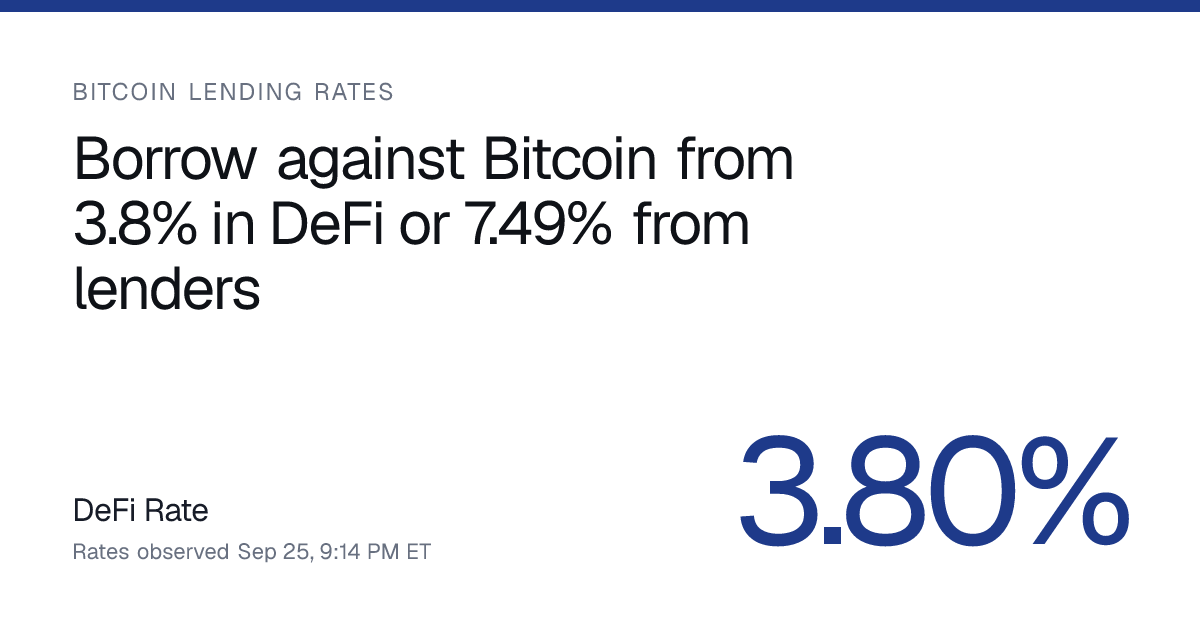
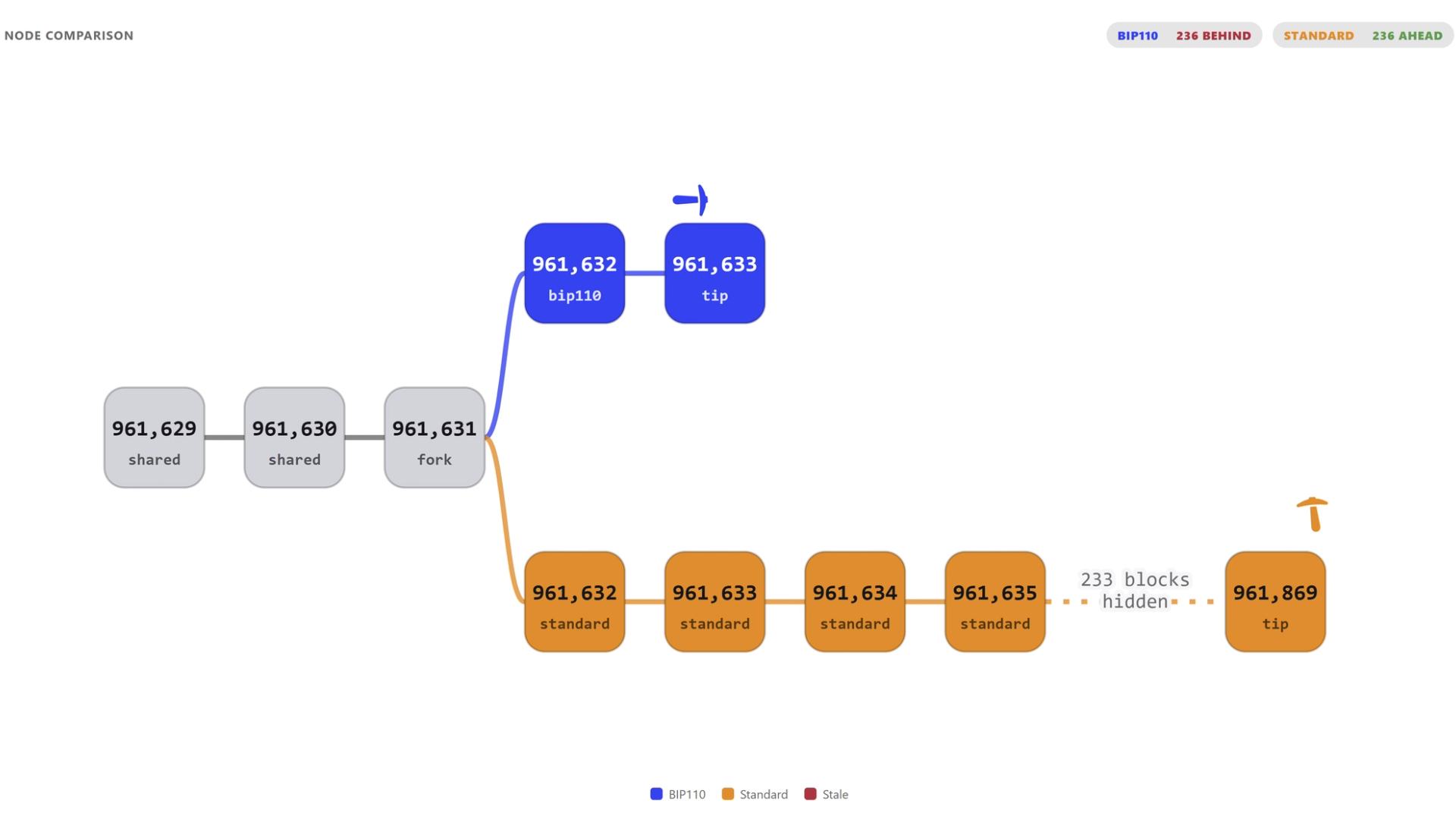
Madenciler daha kârlı olan versiyonu, yani orijinal Bitcoin'i hızla seçtiler. Bitcoin’in devasa madencilik zorluğunu devralan yeni zincir, hash gücünün yalnızca çok küçük bir kısmını çekebildi ve durma noktasına gelmeden önce sadece iki blok üretebildi. Bu sırada, orijinal Bitcoin ağı kesintisiz devam ederek neredeyse tüm faaliyeti, likiditeyi ve güvenliği korudu.
Bitcoin'in BIP-110 vakası serbest piyasa kapitalizminin en saf hali: Crypto Daily
Makale, Bitcoin'in BIP-110 vakasını kripto para ekosistemi içinde işleyen serbest piyasa kapitalizminin bir örneği olarak çerçeveliyor. Alıntı; teklif, katılımcılar veya sonuç hakkında daha fazla ayrıntı sunmuyor.
CoinDesk
Publisher
Aug 10, 2026 at 11:31 AM UTC · 1 dk okuma
Entities
bitcoin
Market Impact
BTC-0.81%$83,884
Last Updated
2 ay önce
“Bitcoin tam olarak tasarlandığı gibi çalıştı,” dedi BTC tutan şirket Strategy (MSTR) kurucusu Michael Saylor X üzerinde.
Bunu dünyanın sözde serbest piyasa ekonomileriyle karşılaştırın. Düşen kurumsal kârlılık, maliyet kesintilerini ve işten çıkarmaları tetiklemelidir, ancak seçim siyaseti genellikle hükümetlerin bu ayarlamayı engellemesine yol açarak uzun süreli endüstriyel durgunlukla sonuçlanır. Ya da yüksek enflasyon vurduğunda, hükümetler talebi yapay olarak destekleyen ve hatta daha yüksek enflasyonu körükleyen sübvansiyonlar sağlarlar. Azalan tüketim ve fiyat disiplini şeklindeki olağan serbest piyasa tepkisi hiçbir zaman gerçekleşme şansı bulamaz.
Bitcoin'in reel ekonomi için verdiği ders açıktır. Serbest piyasa ekonomisi, kendi yolunda gitmesine izin verdiğinizde çalışır.
Coinin spot fiyatına gelince, düşüş yönlü koruma talebinin devam etmesiyle birlikte $65,000 civarında işlem görmeye devam ediyor. Bu haftaki ABD enflasyon verilerinin fiyat gidişatını etkilemesi bekleniyor.
Tetikte kalın!
Daha fazlasını okuyun: Altcoinler ve türevlerdeki bugünkü faaliyetlerin analizi için Crypto Markets Today sayfasına bakın. Bu haftaki etkinliklerin kapsamlı bir listesi için CoinDesk'in "Crypto Week Ahead" bölümüne bakın.
Hızlı Yanıtlar
Bitcoin BIP-110 vakası nedir?
Sağlanan alıntıya göre bu, Bitcoin'i ve BIP-110 olarak tanımlanan bir şeyi içeren bir olaydır. Teknik veya tarihsel ayrıntı verilmemiştir.
BIP-110 neden serbest piyasa kapitalizmi ile karşılaştırılıyor?
Crypto Daily, vakayı serbest piyasa kapitalizminin en saf hali olarak tanımlıyor. Alıntı, bu nitelendirmenin arkasındaki özel gerekçeyi açıklamıyor.
Bitcoin BIP-110'u kabul etti mi?
Sağlanan bilgiler BIP-110'un kabul edilip edilmediğini, reddedilip edilmediğini veya tartışılmaya devam edip etmediğini belirtmiyor.
Sourced by
Originally reported by CoinDesk
NewsLayer coverage based on externally reported material.
The Daily Brief
The onchain economy, before your day starts.
Curated markets, onchain insights, and key headlines — delivered every weekday morning.
Weekdays · Free · ~5 minute read
0
Applause
Was this article helpful?
Market Context
Bitcoin
BTC
$83,887
-0.80% (24H)
Market Cap
$1.68T
24H Volume
$25.2B
24H High
$85,247
Article Intelligence
Key Entities
Related Coverage
 CryptoSpot Bitcoin ETFs Drew About $191 Million on September 24:3 saat önce · 1 min read
 CryptoSolana Surges Past $120 While Bitcoin Slips in Divergent Crypto Sessionbir saat önce · 4 min read
 CryptoBitcoin Price Near $84K as Macro Pressures Weigh on Sentimentbir saat önce · 3 min read
Sponsored
Ad
NewsLayerLearn more
NewsLayer Premium
Unlock deeper intelligence.
Ad-free reading, exclusive research, and real-time onchain insights.
Go Premium