

Insider Brief
Cancer May Behave Like a Quantum System, Columbia Studies Suggest
Insider Brief Cancer cells may behave in a way that resembles one of the defining rules of quantum physics, occupying only a limited number of stable states rather than an unlimited range of biological forms, according to Columbia…
Matt Swayne
Publisher The Quantum Insider
Aug 27, 2026 at 8:05 AM UTC · 10 dk okuma
Çevriliyor…
- Columbia researchers found that cancer cells may resemble quantum systems by occupying a limited number of stable biological states despite their many possible mutations.
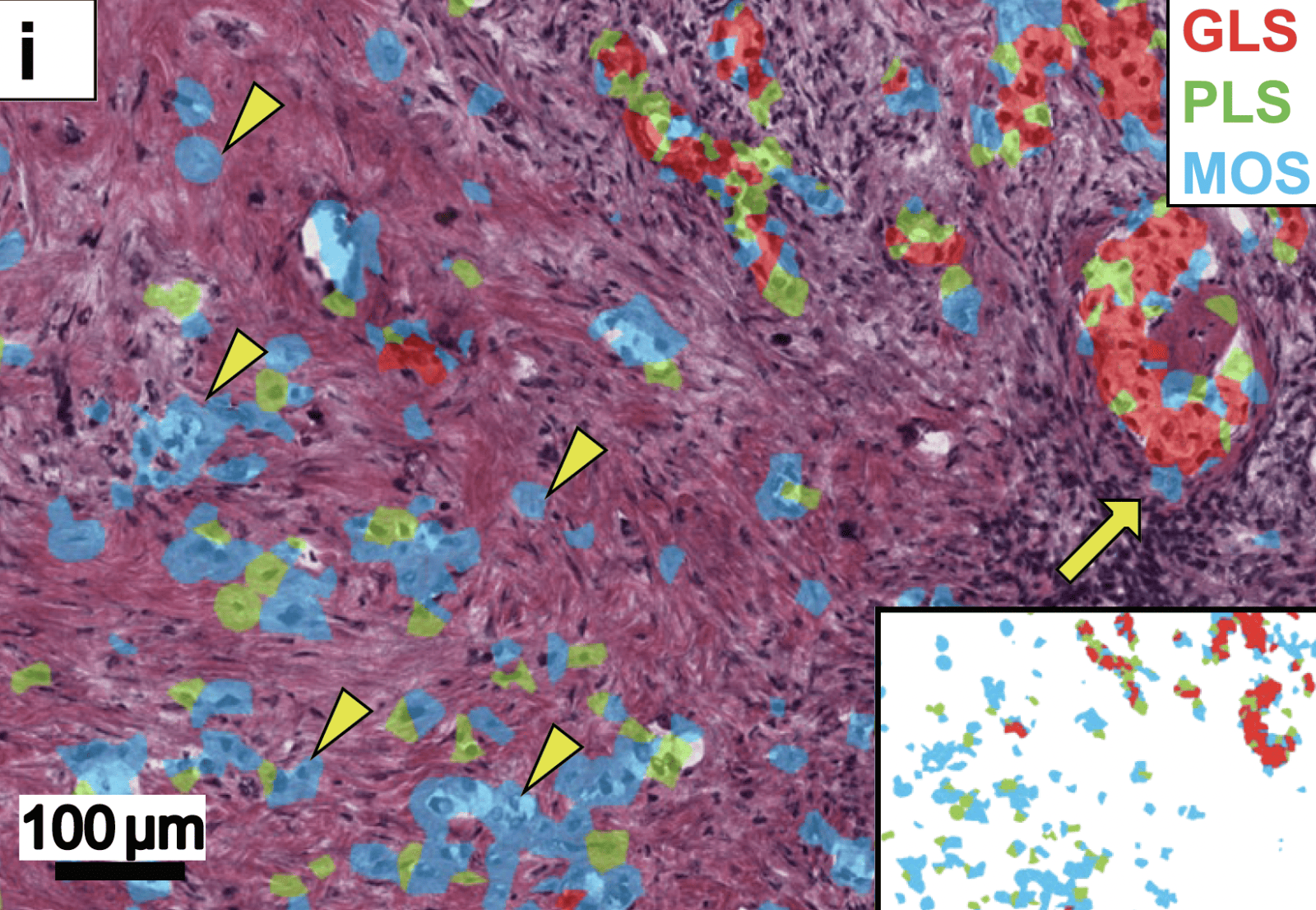
- Researchers identified six recurring cell states in pancreatic cancer and seven in diffuse midline glioma, a rare pediatric brain cancer.
- The findings suggest that drug combinations targeting every cancer-cell state could work across many patients, although the approach still requires clinical testing.
- Image: Colorized cells represent cells in different cellular states in a pancreatic cancer tumor. Among all pancreatic tumors examined by the researchers, only six distinct states were identifed. (Laise et al. 2026. Nature Genetics)
Cancer cells may behave in a way that resembles one of the defining rules of quantum physics, occupying only a limited number of stable states rather than an unlimited range of biological forms, according to Columbia University researchers.
The comparison does not mean cancer is driven by quantum effects at the atomic level. Instead, Andrea Califano, a systems biologist who began his career as a physicist, uses the term “quantum disease” to describe how cancer cells appear to organize themselves.
Article Intelligence
Sponsored
Ad
NewsLayerLearn more
NewsLayer Premium
Unlock deeper intelligence.
Ad-free reading, exclusive research, and real-time onchain insights.
Go Premium