
Key takeaways:
Directed execution: same performance, more control | IBM Quantum Computing Blog
Today's most demanding quantum experiments rarely begin and end with a single circuit execution. Instead, workloads typically involve large families of closely related circuit variants, built on multi-stage workflows for noise,…
IBM Research
Publisher
Oct 5, 2026 at 4:37 PM UTC · 14 dk okuma
Çevriliyor…
- IBM Quantum's directed execution model runs your circuits exactly as directed, giving explicit client-side control over the error correction stack—from mitigation to correction—without sacrificing 100+ qubit performance.
- Error mitigation routines that once ran hidden on IBM servers now runs client-side, so you can inspect, customize, and extend it.
- It's the same framework behind IBM's quantum advantage demonstrations, and a foundation for the error-correction research already underway on IBM hardware—from postselected QEC to distance-5 surface codes that cut the logical error rate per round by up to 2.8x.
- A new Executor primitive powers the model, scaling to thousands of circuit variants and letting you compose custom error mitigation and error correction pipelines by hand.
- Already using Qiskit's Sampler and Estimator primitives? Upgrading is low-friction: update your provider and your existing code keeps working.
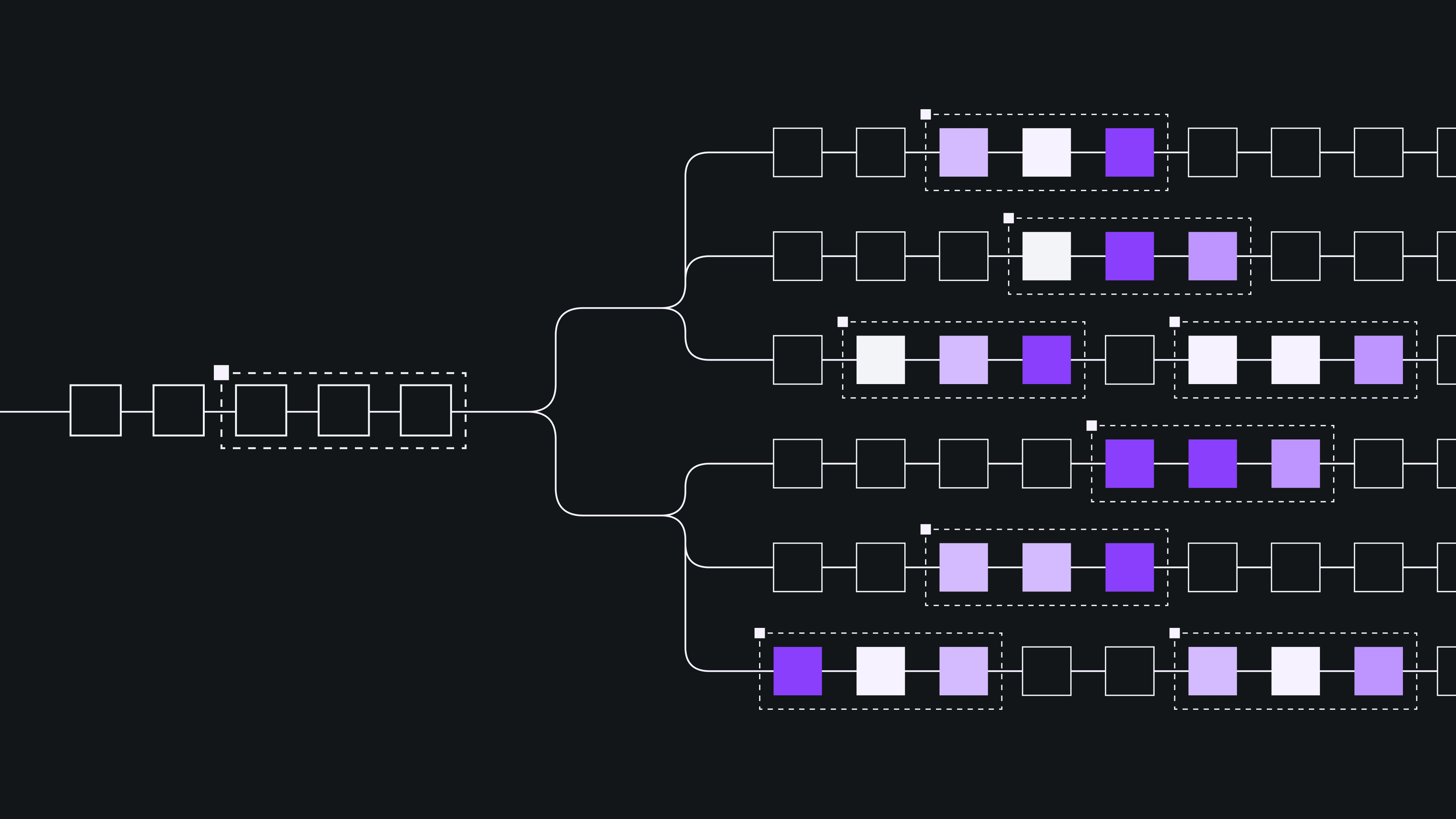
Today's most demanding quantum experiments rarely begin and end with a single circuit execution. Instead, workloads typically involve large families of closely related circuit variants, built on multi-stage workflows for noise, randomization, and post-processing—and assembling them by hand takes considerable time and effort.
Article Intelligence
Related Coverage
 QuantumD-Wave and University of Arkansas Launch Quantum Supply Chain Initiative8 saat önce · 1 min read
 QuantumD-Wave Partners with University of Arkansas to Establish Quantum Supply Chain Initiative4 saat önce · 1 min read
 QuantumQuantinuum and The University of Western Australia Partner to Advance Australia’s Hybrid Quantum-AI-HPC Ecosystem4 saat önce · 2 min read
Sponsored
Ad
NewsLayerLearn more
NewsLayer Premium
Unlock deeper intelligence.
Ad-free reading, exclusive research, and real-time onchain insights.
Go Premium