


Researchers at the FAMU-FSU College of Engineering have designed a novel qubit architecture that suspends quantum information using magnetic levitation. The team utilizes superconducting loops to hold tiny neon particles aloft, addressing the problem of electron instability caused by imperfections on qubit surfaces.
FAMU-FSU College Of Engineering Designs Qubit With Floating Electrons Above Chip
Researchers at the FAMU-FSU College of Engineering have designed a qubit using electrons that float above a chip surface. The work explores a quantum-computing architecture based on controlling these floating electrons.
Quantum Zeitgeist
Publisher
Aug 21, 2026 at 2:02 PM UTC · Updated 3 gün önce · 3 dk okuma
Çevriliyor…
“Instead of hoping that the right nanoscale feature appears in the right place, we want to decide where each electron qubit sits,” explains study co-author Wei Guo, a professor at Florida State University, the FAMU-FSU College of Engineering and the National High Magnetic Field Laboratory. Published in PRX Quantum, the research details a path toward building more reliable and scalable quantum computers by engineering qubit placement by design.
Magnetic Levitation Addresses Electron Trapping in Neon Qubit Devices
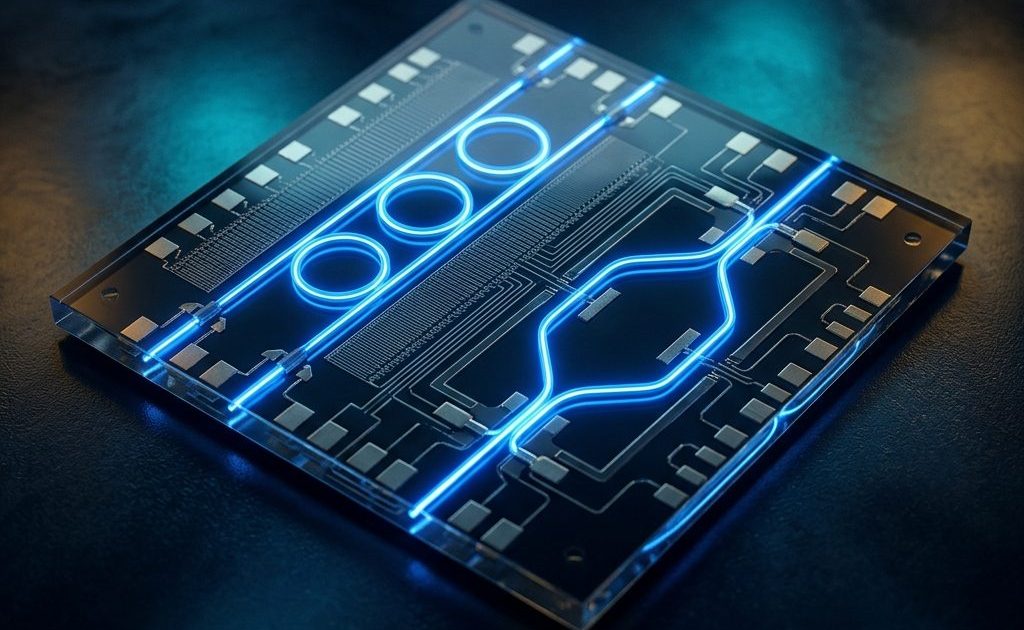
Superconducting loops now suspend individual neon particles in a novel qubit architecture developed by researchers, directly addressing the issue of electron trapping caused by surface imperfections. This innovative approach moves beyond relying on chance nanoscale features and instead allows for the deliberate placement of electron qubits, a strategy co-author Wei Guo describes as a shift from chance to design. Instead of directly depositing solid neon onto a chip, where inherent surface roughness can disrupt electron behavior, the researchers propose levitating nearly spherical neon microparticles above the chip’s surface.
Article Intelligence
Topics
Sponsored
Ad
NewsLayerLearn more
NewsLayer Premium
Unlock deeper intelligence.
Ad-free reading, exclusive research, and real-time onchain insights.
Go Premium