

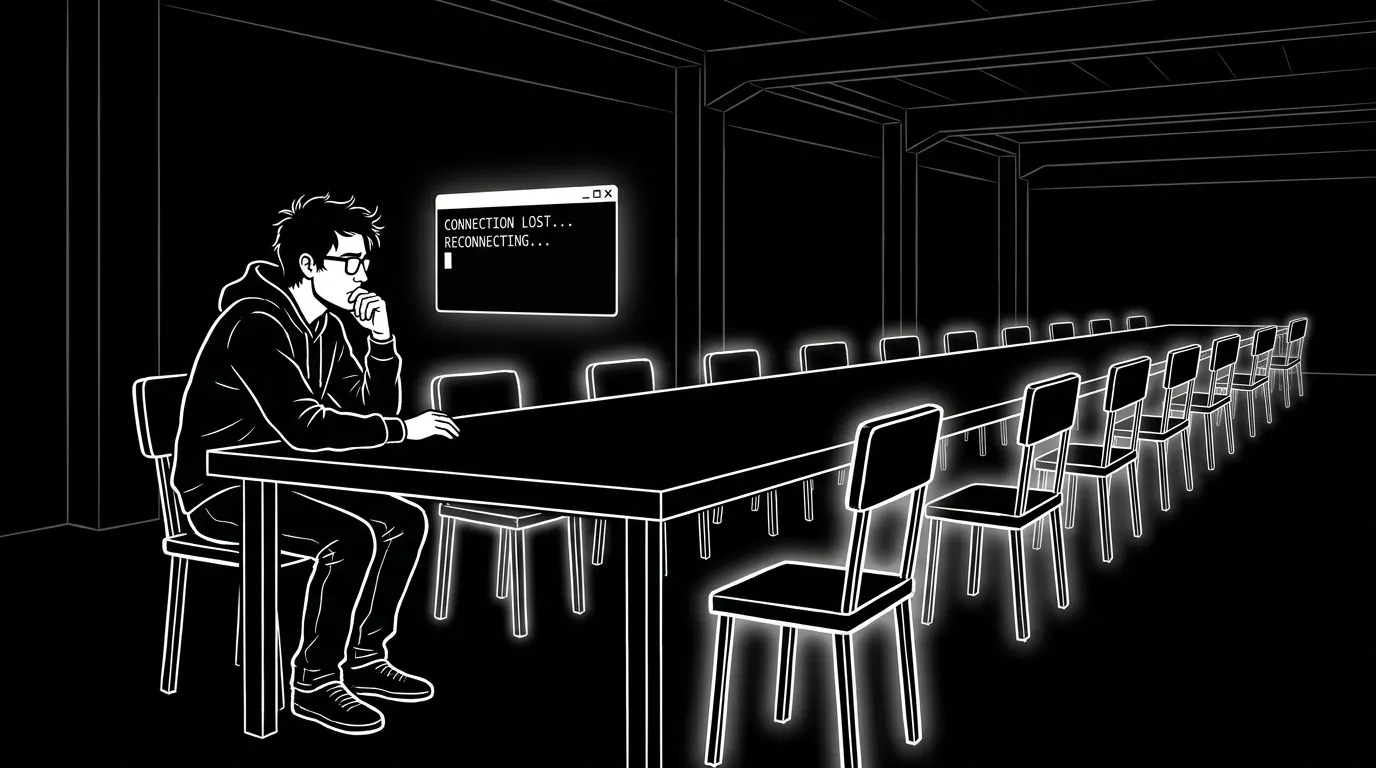
Lately I’ve been struggling seriously to stay focused during pair and mob programming. Sometimes we hand a single task to a coding agent, and while it’s working, we drift into other topics. Sometimes we hand off multiple tasks at once, one moves forward while we try to review another, but this time too much dead time creeps in again, and we can’t actually focus on more than 3 or 4 tasks at once, so we start missing bugs or mistakes.
How to Build a Team Architecture Around AI Agents (Without Burning Out on Review)
The HackerNoon article explores how organizations can structure teams around AI agents while avoiding excessive human review workloads. It focuses on balancing agent-enabled productivity with sustainable oversight processes.
HackerNoon
Publisher
Sep 1, 2026 at 1:35 AM UTC · 6 dk okuma
Key Signal
4.6x Longer AI code reviews
Last Updated
2 dakika önce
Çevriliyor…
Öne Çıkanlar
- AI-agent team design requires clear structures for assigning work and oversight.
- Human review can become a bottleneck if AI output is not managed sustainably.
- The article frames burnout prevention as a core consideration when integrating AI agents into teams.
The thing I’ve noticed most is this: the topics we talk about in these gaps aren’t as fun as they used to be. When we’re curious about a technical or soft topic, we type it into a chatbot, get an answer instantly, flash modes already respond in a blink. What’s left to talk about is usually “will AI take our jobs.” So most of our conversations now revolve around uncertainty. We can’t even overengineer anymore.
Because of this, people are starting to drift away from pairing, myself included. But that’s a trap either way: if we drift away from pairing, knowledge sharing dies and team bonds weaken; if we keep pairing, burnout starts instead. So whichever direction we go, we end up somewhere problematic.
It's Not Just Us
Once I started researching, I realized this isn’t a focus problem unique to us, or to me. LinearB’s analysis of 4,800 teams and 8.1 million pull requests shows that AI-generated code waits 4.6 times longer for review than human-written code. So our feelings have basically turned into data.
Article Intelligence
Topics
Sponsored
Ad
NewsLayerLearn more
NewsLayer Premium
Unlock deeper intelligence.
Ad-free reading, exclusive research, and real-time onchain insights.
Go Premium