


Kuantum sonrası dünyada kimlik güvenliği nasıl işleyecek?
Kuantum sonrası dünyada kimlik güvenliği nasıl işleyecek? THINK Digital Partners
THINK Digital Partners
Publisher
Aug 26, 2026 at 6:01 AM UTC · 6 dk okuma

İki yıl önce, Think Digital Partners, çalışan bir kuantum bilgisayarın kamu sektörü kayıtlarını ve sırlarını güvence altına almak için kullanılan geleneksel kriptografik yöntemlere yönelik oluşturacağı tehdit hakkında rapor vermişti. Neden mi? Çünkü kuantum bilişim, bir kriptografın tüm olası permütasyonlarını hesaplamak için gereken süreyi binlerce yıldan saniyelere indirebilir.
Üç ay önce, Microsoft, kuantum bilişim çipinde büyük ilerlemeler kaydettiğini duyurdu ve çalışan bir kuantum bilgisayar görmemize sadece üç yıl kaldığını öngördü.
Kuantum bilişim ne kadar daha hızlı?
Google, özel bir hesaplama görevini 200 saniyede tamamlamak için 53 fonksiyonel kübit kullandı ve eşdeğer bir klasik hesaplamanın 10.000 yıl süreceğini tahmin etti.
Bu deneyler, bugünün kuantum sistemlerinin halihazırda kullanılan şifrelemeleri kırabileceğini göstermiyor ancak teknolojinin potansiyelini kanıtlıyor.
Şimdi topla, sonra şifresini çöz
Bazı tehdit aktörleri, kriptografik olarak ilgili kuantum bilişim (CRQC) kullanılabilir hale geldiğinde şifrelerini çözme umuduyla çalınan, şifrelenmiş iletişimleri, veri tabanlarını ve arşivleri önbelleğe alıyor. Birleşik Krallık hükümetinin Ulusal Siber Güvenlik Merkezi (NCSC) tavsiyesinde bulunuyor: “Bu, çok yüksek değerli veriler için uzun vadeli kriptografik koruma sağlaması gereken kuruluşlar için, gelecekteki bir CRQC olasılığının şu an için geçerli bir tehdit olduğu anlamına gelir.”
Article Intelligence
Topics
Regulation Signal
in progressUpdated 18 gün önce
SEC Crypto Asset Market Structure RulemakingRelated Coverage
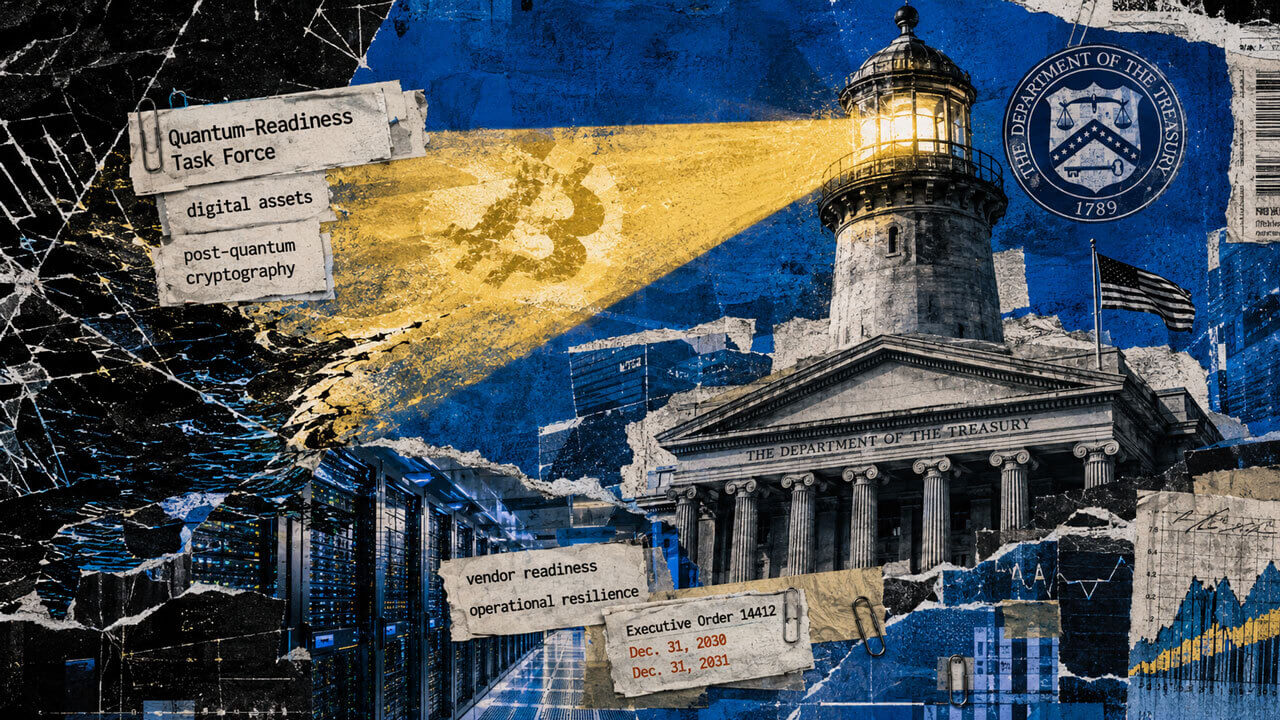 CryptoBitcoin’s 7 million coin quantum problem just reached the US Treasury8 saat önce · 2 min read
 CryptoSouth Korea to Introduce Digital Asset Law in Early September With 20% Cap on Crypto Exchange Major Shareholders4 saat önce · 2 min read
 CryptoKorea delays crypto tax rules as D-128 countdown stirs investor alarm - CHOSUNBIZ5 saat önce · 1 min read
Sponsored
Ad
NewsLayerLearn more
NewsLayer Premium
Unlock deeper intelligence.
Ad-free reading, exclusive research, and real-time onchain insights.
Go Premium