
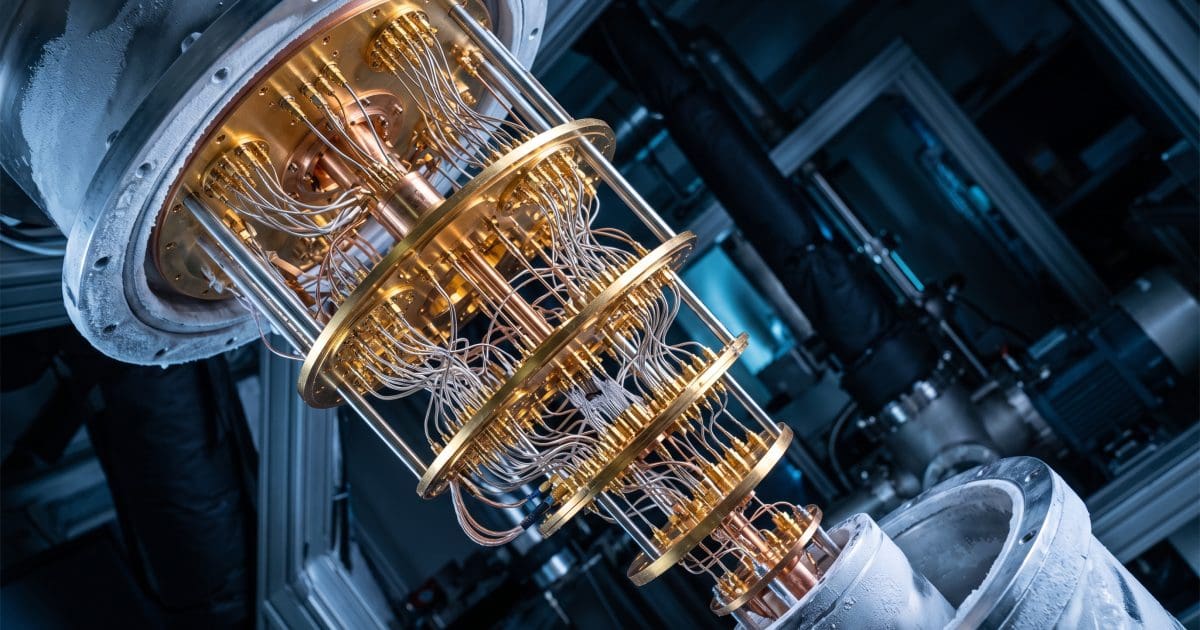
In eight days this month, customers on three continents signaled a shift in quantum computing, building in-house capability with complete systems, not just experimenting with access. Eldorado Research Institute in Brazil will install an IQM Spark in the first quarter of 2027, marking the first quantum computer in South America, while a Japanese corporation is purchasing two systems, indicating a move beyond simple experimentation.
IQM Reports Three Continents Buy Quantum Computers—and The Software To Use Them
In eight days this month, customers on three continents signaled a shift in quantum computing, building in-house capability with complete systems, not just experimenting with access. Eldorado Research Institute in Brazil will install an…
Quantum Zeitgeist
Publisher
Sep 22, 2026 at 8:59 AM UTC · Updated 2 gün önce · 5 dk okuma
Çevriliyor…
“The real news is not that they all bought computers,” says IQM. This complete approach, hardware, software, integration, and upgrades, is what buyers now demand to realize the potential of quantum technology.
IQM’s Three-Continent Expansion: Quantum Computer Stack Adoption
This blended approach, combining local hardware with cloud-based resources, allows the institute to begin practical quantum work without immediately investing in a large-scale, fully-owned machine. IQM notes this pairing allows for both hands-on learning and access to greater computational power when required, a strategy particularly suited for institutions building quantum expertise from the ground up.
Four European nations are also sharing access to a single quantum system housed at CSC in Kajaani, Finland, integrated within the LUMI AI Factory, demonstrating a collaborative model for quantum infrastructure. This system, an IQM Halocene H4 with 150 physical qubits, is slated for delivery in the first quarter of 2027 and will undergo upgrades in 2028 to achieve lower logical error rates and real-time error correction.
Article Intelligence
Key Entities
Spark
Related Coverage
 QuantumIonQ to deploy first quantum computer at Nvidia’s Accelerated Quantum Research Center14 saat önce · 2 min read
 ResearchIonQ Makes First On-Premise Quantum Deployment At NVIDIA Research Center16 saat önce · 3 min read
 ResearchQuantum device simulates matter popping into existence17 saat önce · 1 min read
Sponsored
Ad
NewsLayerLearn more
NewsLayer Premium
Unlock deeper intelligence.
Ad-free reading, exclusive research, and real-time onchain insights.
Go Premium