


Insider Brief
Microsoft’s Skala AI Model Joins CP2K to Improve Quantum Mechanical Simulations
PRESS RELEASE — The Skala AI model, developed by Microsoft Research AI for Science, is now available through the CP2K software ecosystem. Thanks to Skala, researchers can perform quantum mechanical simulations of larger molecular…
The Quantum Insider
Publisher
Aug 24, 2026 at 8:09 AM UTC · 4 dk okuma
Çevriliyor…
- Microsoft Research AI for Science’s Skala model is now available through CP2K, allowing researchers to run more accurate quantum simulations of larger molecular systems with the help of AI.
- CASUS and Microsoft researchers reported that Skala improved simulation accuracy in their test case while maintaining computational efficiency compared with more demanding conventional DFT approaches.
- The teams plan to expand Skala’s capabilities to simulations of periodic solids and liquids while using CP2K to broaden access and testing across chemistry, physics, materials science and engineering.
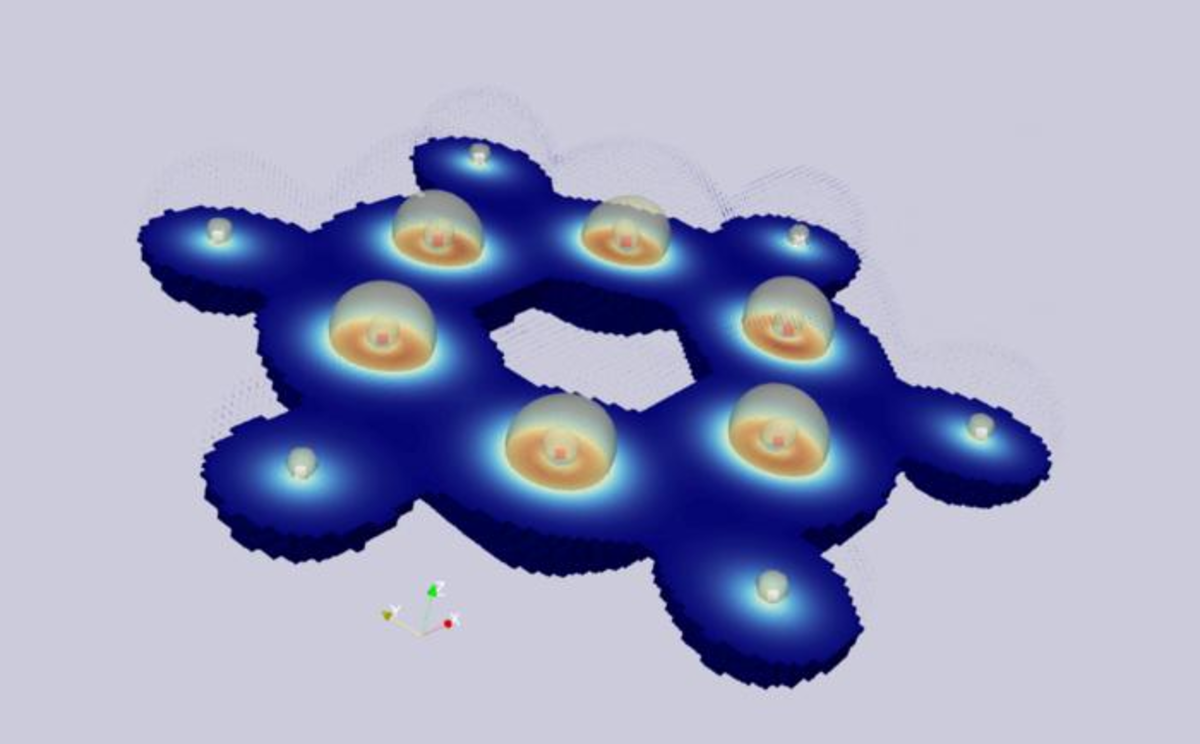
PRESS RELEASE — The Skala AI model, developed by Microsoft Research AI for Science, is now available through the CP2K software ecosystem. Thanks to Skala, researchers can perform quantum mechanical simulations of larger molecular systems while achieving a higher level of accuracy. In early 2026, Microsoft’s research division and the CP2K team at the Center for Advanced Systems Understanding (CASUS) at the Helmholtz-Zentrum Dresden-Rossendorf started a collaboration to integrate the Skala AI model into CP2K. The global CP2K community is expected to test the AI model’s applicability to a wide variety of problems in chemistry, physics, materials science, and engineering.
Article Intelligence
Sponsored
Ad
NewsLayerLearn more
NewsLayer Premium
Unlock deeper intelligence.
Ad-free reading, exclusive research, and real-time onchain insights.
Go Premium