
Enterprise private AI has moved past the pilot stage, and the shift is exposing an awkward gap. Agents that write code, process claims and run business workflows need models, tools and data to be useful, yet few organizations want autonomous software wandering across their infrastructure unsupervised.
Private AI agents get a deny-by-default runtime from Broadcom
Enterprise private AI has moved past the pilot stage, and the shift is exposing an awkward gap. Agents that write code, process claims and run business workflows need models, tools and data to be useful, yet few organizations want…
SiliconANGLE
Publisher
Aug 31, 2026 at 9:16 PM UTC · 4 dk okuma
Çevriliyor…
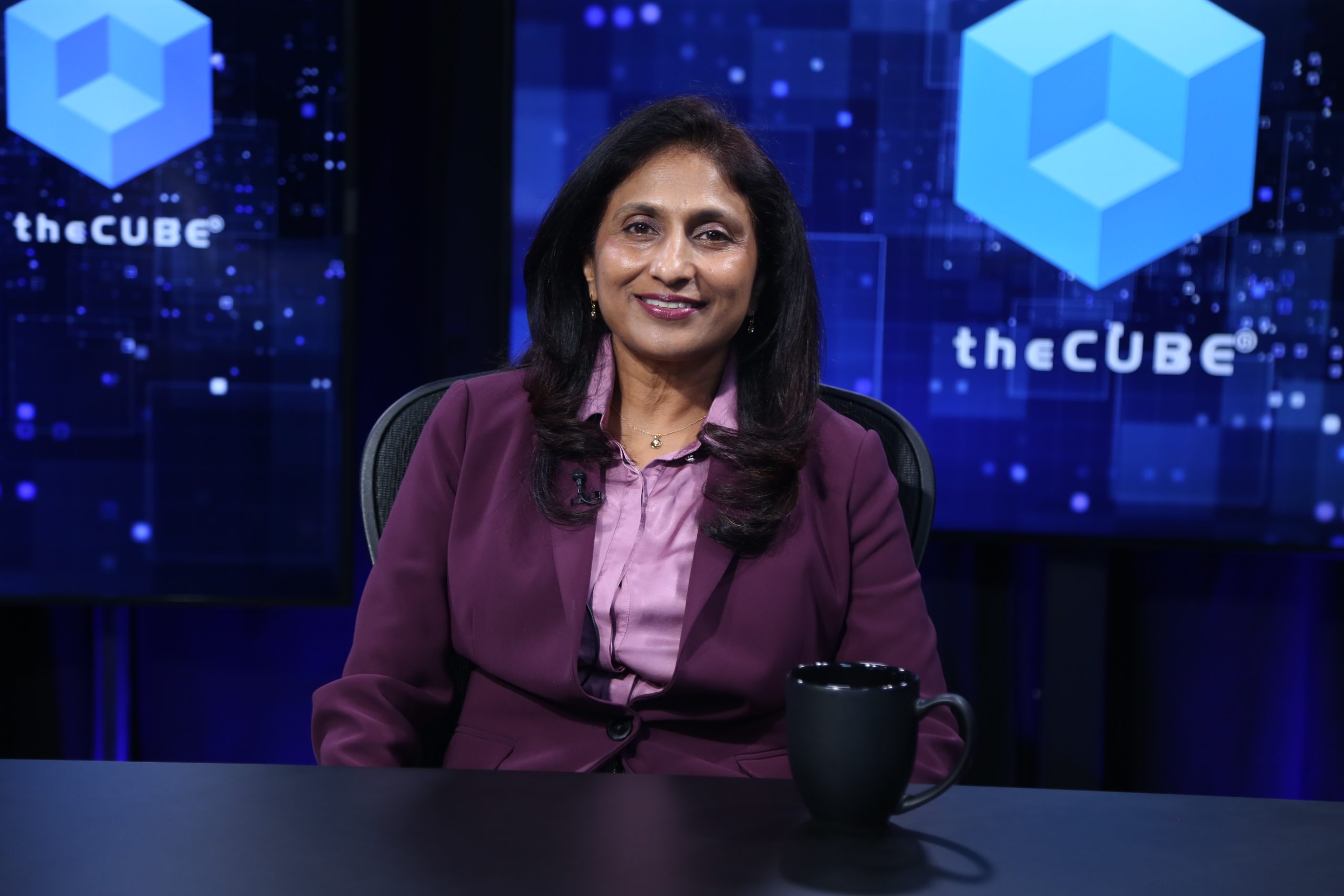
That tension is putting platform teams back at the center of enterprise architecture. The same cloud-native disciplines — orchestration, telemetry, observability and role-based access control — are now being applied to fleets of agents. Because agentic applications are essentially microservices applications, the platform is a natural place to enforce control, according to Purnima Padmanabhan (pictured), general manager of the Tanzu Division at Broadcom Inc.
“Agents have, by definition, agency, which means you just give the intent and resources and then the agent interprets that intent and decides to do something,” Padmanabhan said. “You have to say, ‘OK, I want to be able to build agents fast, I want to be able to build that securely and I want to run them, but I want to run them in a sandboxed way.'”
Padmanabhan spoke with theCUBE’s John Furrier at VMware Explore 2026, during an exclusive broadcast on theCUBE, SiliconANGLE Media’s livestreaming studio. They discussed agent runtimes, trusted open source and the data foundations behind production AI. (* Disclosure below.)
Article Intelligence
Topics
Sponsored
Ad
NewsLayerLearn more
NewsLayer Premium
Unlock deeper intelligence.
Ad-free reading, exclusive research, and real-time onchain insights.
Go Premium