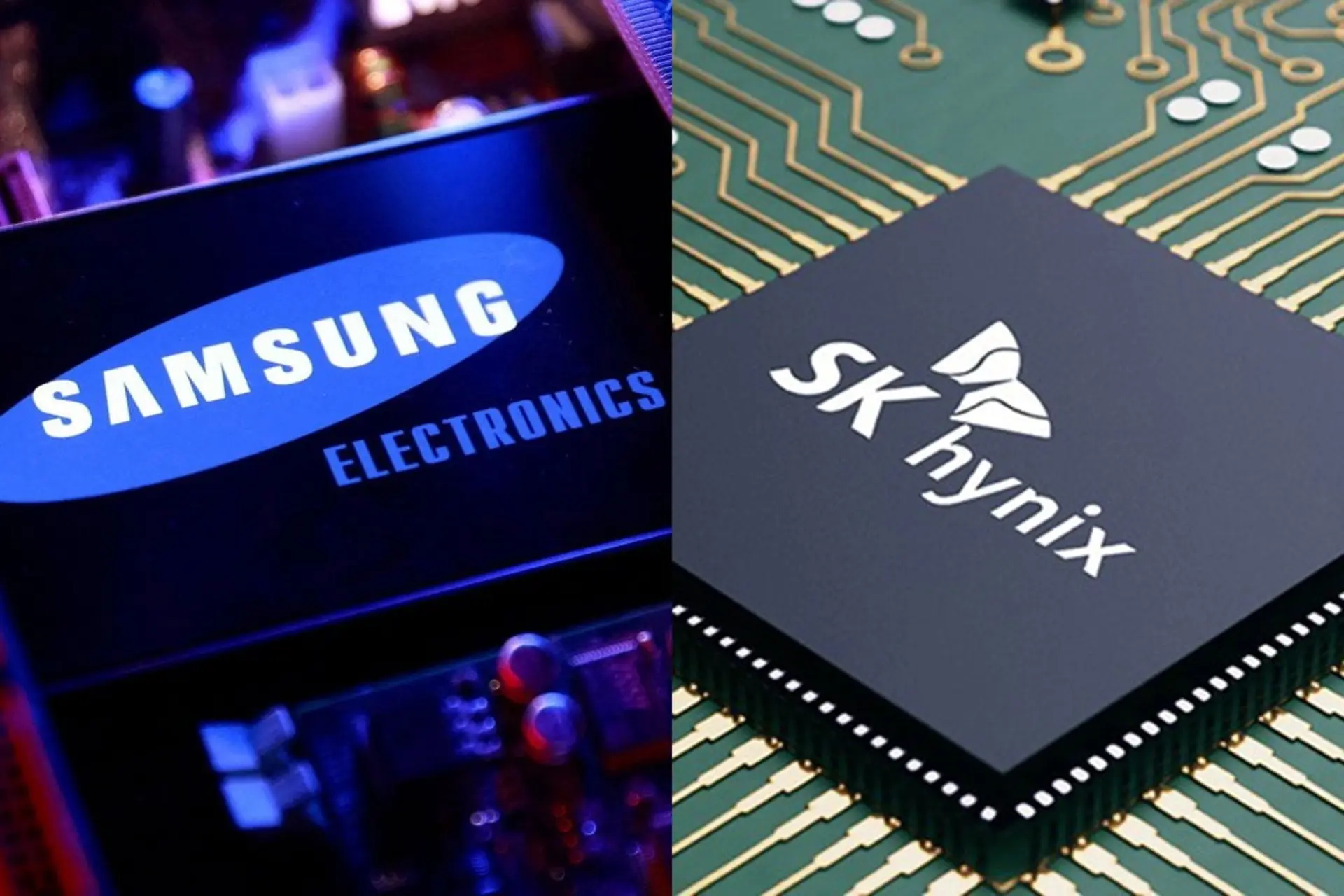
Samsung Electronics said it will carry out its current three-year shareholder return policy for 2024 through 2026 as promised, returning 50% of free cash flow. The company added that it is reviewing its next shareholder return plan in a way that maximizes shareholder value while balancing reinvestment for future growth with returns to shareholders.
SK Hynix has said it will use 50% of free cash flow over 2025 through 2027 for shareholder returns. The company recently added that it is actively reviewing additional measures to enhance shareholder value and plans to finalize and announce details in the third quarter.
Brokerages estimate the new policies could amount to 200 trillion won ($144 billion) a year at Samsung Electronics and 100 trillion won ($72 billion) at SK Hynix, for a combined 300 trillion won annually.
Kim Dong-won, head of research at KB Securities, said Samsung Electronics' shareholder return program could total at least 100 trillion won ($72 billion) a year and as much as 200 trillion won ($144 billion). Even at the low end, the stock's dividend yield would exceed 7% a year at current prices. That would be 10 to 20 times the company's existing annual shareholder return of 9.8 trillion won ($7.1 billion).
Daishin Securities said conditions are in place for SK Hynix to spend as much as 100 trillion won ($72 billion) on shareholder returns this year. Analyst Ryu Hyung-geun said SK Hynix presented a net cash target of 100 trillion won ($72 billion) for this year at its annual shareholder meeting earlier this year and has already surpassed that goal. He said proceeds from the sale of its Kioxia stake and the issuance of American depositary receipts could support share buybacks, share cancellations and special dividends.
Overseas rivals are also moving to expand shareholder returns. SanDisk recently projected annual revenue growth in the mid- to high-teens for 2028 through 2030 and said it would use 100% of excess cash for shareholder returns. Micron Technology has also outlined a plan to return 50% to 100% of excess cash to shareholders.
Choi Su-jin, Hankyung.com reporter naive@hankyung.com