
On Aug. 18, 2026, the U.S. Securities and Exchange Commission (the SEC) took a significant step towards creating a tailored regulatory framework for offerings of investment contracts involving crypto assets by announcing a proposed regulation titled “Regulation Crypto Assets.” [i] The proposed regulation seeks to provide clarity and encourage participation and investment in transactions previously characterized by regulatory ambiguity.
The SEC’s proposed “Regulation Crypto Assets” provides a new framework for regulatory clarity
On Aug. 18, 2026, the U.S. Securities and Exchange Commission (the SEC) took a significant step towards creating a tailored regulatory framework for offerings of investment contracts involving crypto assets by announcing a proposed…
Winston Taylor
Publisher
Sep 18, 2026 at 1:24 AM UTC · Updated 3 gün önce · 8 dk okuma

Key Signal
Aug. 18, 2026 SEC proposal announced
Last Updated
3 gün önce
Background
Crypto assets have not fit neatly into the existing U.S. federal securities regulation framework, and parties seeking to raise funds by selling digital assets have been forced to contend with existing rules written before the proliferation of crypto assets, creating confusion for regulators and market participants and, according to critics, driving investment offshore.
Regulation Crypto Assets follows SEC Chair Atkins’s broader “Project Crypto” initiative to modernize the SEC’s approach to digital assets announced in 2025, the announcement of a joint interpretation by the SEC and the Commodity Futures Trading Commission (the CFTC) on Mar. 17, 2026, and the uncertainty around broader legislation in the form of the Digital Asset Market Clarity Act (the CLARITY Act). [i] On Sept. 15, 2026, the CLARITY Act failed to advance in the Senate after a cloture vote on a motion to proceed fell short of the required votes and remains pending in the Senate.
Article Intelligence
Regulation Signal
in progressUpdated bir ay önce
SEC Crypto Asset Market Structure RulemakingRelated Coverage
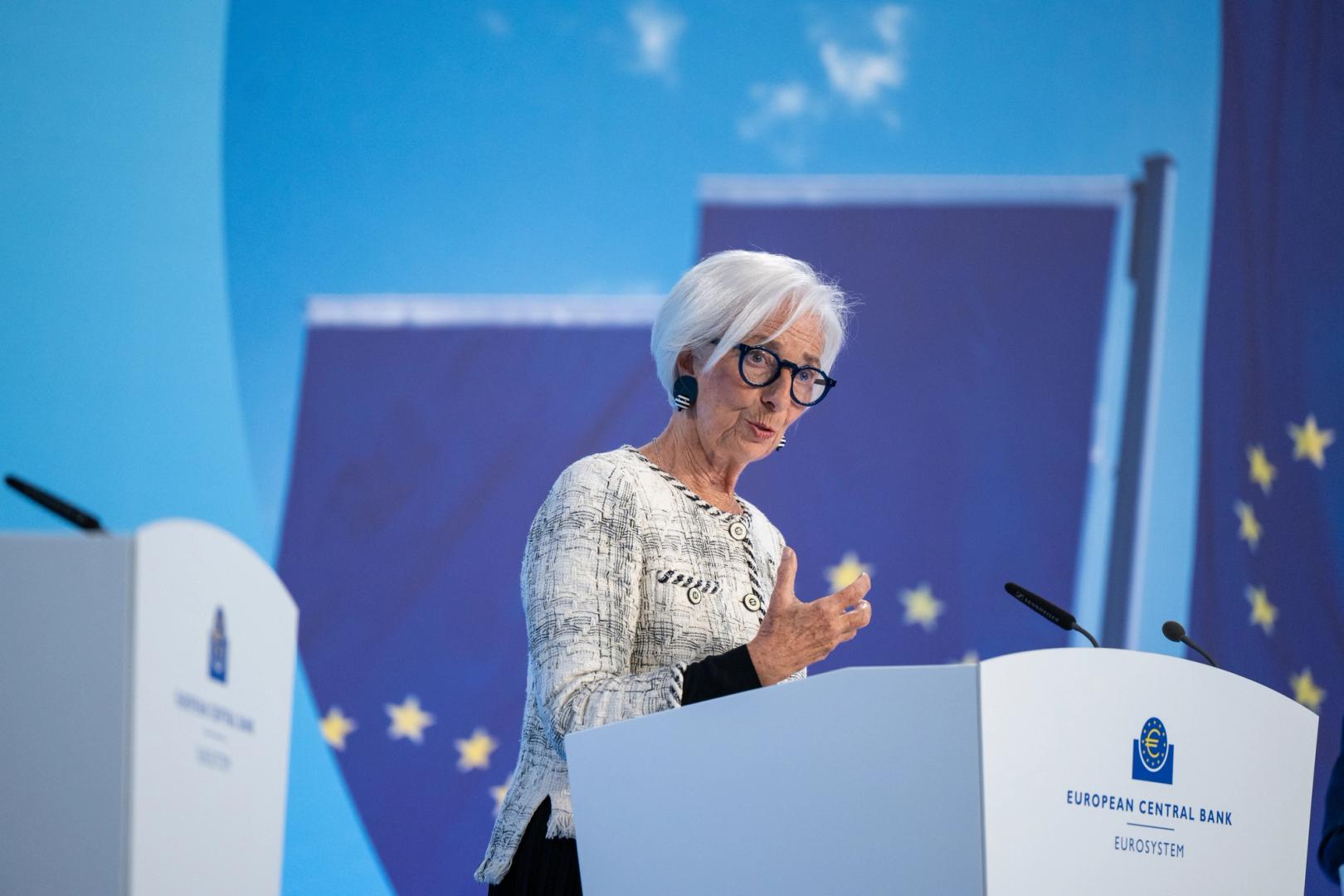 CryptoECB deploys Pontes platform to settle wholesale tokenized assets in central-bank money2 saat önce · 1 min read
 CryptoRobinhood Stock Jumps 5% as Bitcoin Rally and SEC Rule Change Align24 dakika önce · 2 min read
 CryptoEthereum and crypto stocks jump after SEC allows tokenized U.S. stocks trading.39 dakika önce · 1 min read
Sponsored
Ad
NewsLayerLearn more
NewsLayer Premium
Unlock deeper intelligence.
Ad-free reading, exclusive research, and real-time onchain insights.
Go Premium