
7 August 2026 tarihinde, U.S. Department of the Treasury'nin Office of Foreign Assets Control (OFAC) birimi, iki kripto borsasını, Shelbit Exchange ve Aban Tether'i, operatörleri Siavash Kayvanpour ve Georgia, Poland ve UAE geneline yayılan dört bağlı paravan şirket ağıyla birlikte yaptırım listesine aldı. İddia: Iran'ın Islamic Revolutionary Guard Corps (IRGC) birimine kripto sistemi üzerinden para taşımasına yardım etmek.
Shelbit ve Aban Tether kripto yaptırımlarının yasa dışı finansın takibi hakkında öğrettikleri
Shelbit ve Aban Tether kripto yaptırımlarının yasa dışı finansın takibi hakkında öğrettikleri Mishcon de Reya LLP
Mishcon de Reya LLP
Publisher
Aug 17, 2026 at 4:51 PM UTC · 5 dk okuma

Key Signal
2 exchanges OFAC-designated exchanges
Entities
tether
Last Updated
bir ay önce
Bu, June 2026'da Iran'ın en büyük yerel borsaları olan Nobitex, Wallex, Bitpin ve Ramzinex'in yaptırım listesine alınmasının ardından gelen istikrarlı yaptırım eylemlerinin sonuncusudur. Treasury Secretary Scott Bessent, izlenen yol konusunda her zamanki gibi açık sözlüydü ve yaptırımın "Iranian rejiminin dijital varlıklara ve gölge bankacılık ağlarına olan bağımlılığının, Economic Fury'nin işe yaradığının bir başka kanıtı olduğunu" gösterdiğini belirtti ve "ister dollars, ister rials, ister kripto olsun, Treasury rejimi ayakta tutan yasadışı finans ağlarını avlayacak ve çökertecektir" diye ekledi. Mesaj basit: düzenleyiciler kripto mecralarını ulaşılamayan kuralsız bir sınır bölgesi olarak değil, denetlenmesi gereken başka bir finansal sistem olarak görüyorlar.
Peki gerçekte ne oldu? OFAC, IRGC ile bağlantılı cüzdanların Shelbit'e 1 million USD'den fazla kripto gönderdiğini ve Shelbit'in 2 million USD'den fazlasını geri gönderdiğini söylüyor. Kayvanpour'un ayrıca, U.S. tarafından halihazırda yaptırım uygulanmış bir borsa olan Nobitex'e kendisine ait 2 million USD'den fazla para gönderdiği iddia ediliyor. Shelbit, Georgia'da kayıtlıydı ancak ticari faaliyetlerini Dubai'den Shelbit General Trading LLC olarak yürütüyordu ve IRGC'ye maddi destek sağladığı için yaptırım listesine alındı. Ayrıca platform üzerinden on milyonlarca dolar akladığı söylenen, Iranian influencerlar tarafından yönetilen Persian dilindeki bir çevrimiçi kumar ağıyla bağlantılı olduğu bildirildi; oysa ağın operatörleri 2023 yılında Iran'da yasadışı kumardan mahkum edilmişti. Ayrı bir Iran merkezli borsa olan Aban Tether, halihazırda yaptırım altında olan diğer birkaç Iranian borsası adına işlemleri gerçekleştirdiği için listeye alındı.
Article Intelligence
Key Entities
Topics
Related Coverage
 CryptoBrooklyn man gets up to 12 years over $16 million Coinbase social engineering scheme13 dakika önce · 1 min read
 CryptoRaiffeisen Bank International to Offer Crypto to 18 Million CEE Customers Through Bitpanda2 saat önce · 2 min read
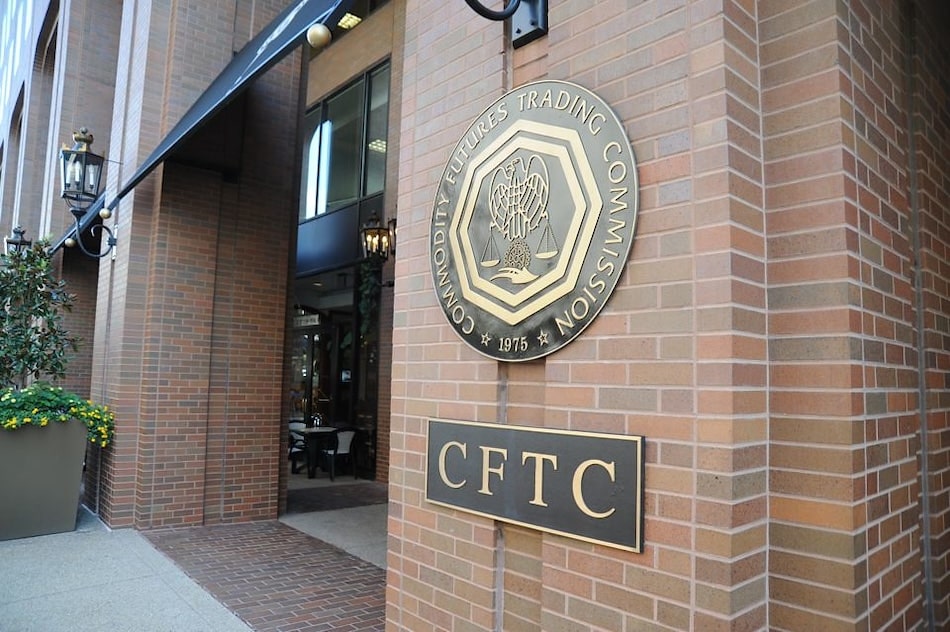 CryptoCFTC Chair Selig Says 'It's Go Time' for Crypto Rules2 saat önce · 1 min read
Sponsored
Ad
NewsLayerLearn more
NewsLayer Premium
Unlock deeper intelligence.
Ad-free reading, exclusive research, and real-time onchain insights.
Go Premium