
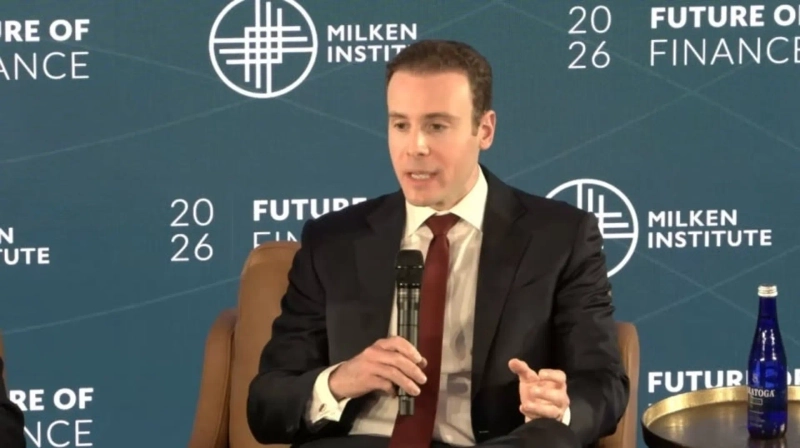
- Michael Selig, chair of the U.S. Commodity Futures Trading Commission (CFTC), said the agency will continue its own crypto rulemaking using existing authority.
- The CFTC said it is considering a separate market framework under the Commodity Exchange Act that would allow it to supervise cryptocurrency exchanges and leveraged trading, as well as a plan to conditionally permit services by unregistered crypto exchanges.
- Selig said that through his participation in the president's Digital Asset Markets Working Group, he reviewed each agency's statutory authority and areas requiring additional legislation, and that regulators would prepare a regulatory framework to support the growth of a new area of finance.
CFTC Chair Says Agency Will Keep Drafting Crypto Rules Under Existing Authority
Michael Selig, chair of the U.S. Commodity Futures Trading Commission, said the agency will continue drafting its own cryptocurrency rules using existing authority.
bloomingbit
Publisher
Oct 4, 2026 at 7:00 AM UTC · Updated 11 giờ trước · 2 phút đọc
Đang dịch…
Forecast Trend Report by Period
Michael Selig, chair of the U.S. Commodity Futures Trading Commission, said the agency will continue drafting its own cryptocurrency rules using existing authority.
Selig recently said each regulator already has substantial legal authority and will keep writing crypto rules under current law rather than wait for new legislation, Odaily reported on October 4.
The comments appeared to be aimed at the U.S. crypto market structure bill known as the Clarity Act, which failed in a Senate cloture vote last month. The CFTC and the U.S. Securities and Exchange Commission have both indicated they would seek to clarify crypto regulation using existing authority if congressional legislation is delayed.
Article Intelligence
Related Coverage
 CryptoBank Group Sues OCC Over Crypto Trust Charters42 phút trước · 1 min read
 CryptoTesla’s Bitcoin Treasury Nears $1 Billion as Price Rises4 giờ trước · 1 min read
 PolicyTrump Taps Jay Clayton, the SEC Chair Who Sued Ripple, to Lead AI Push3 giờ trước · 2 min read
Sponsored
Ad
NewsLayerLearn more
NewsLayer Premium
Unlock deeper intelligence.
Ad-free reading, exclusive research, and real-time onchain insights.
Go Premium