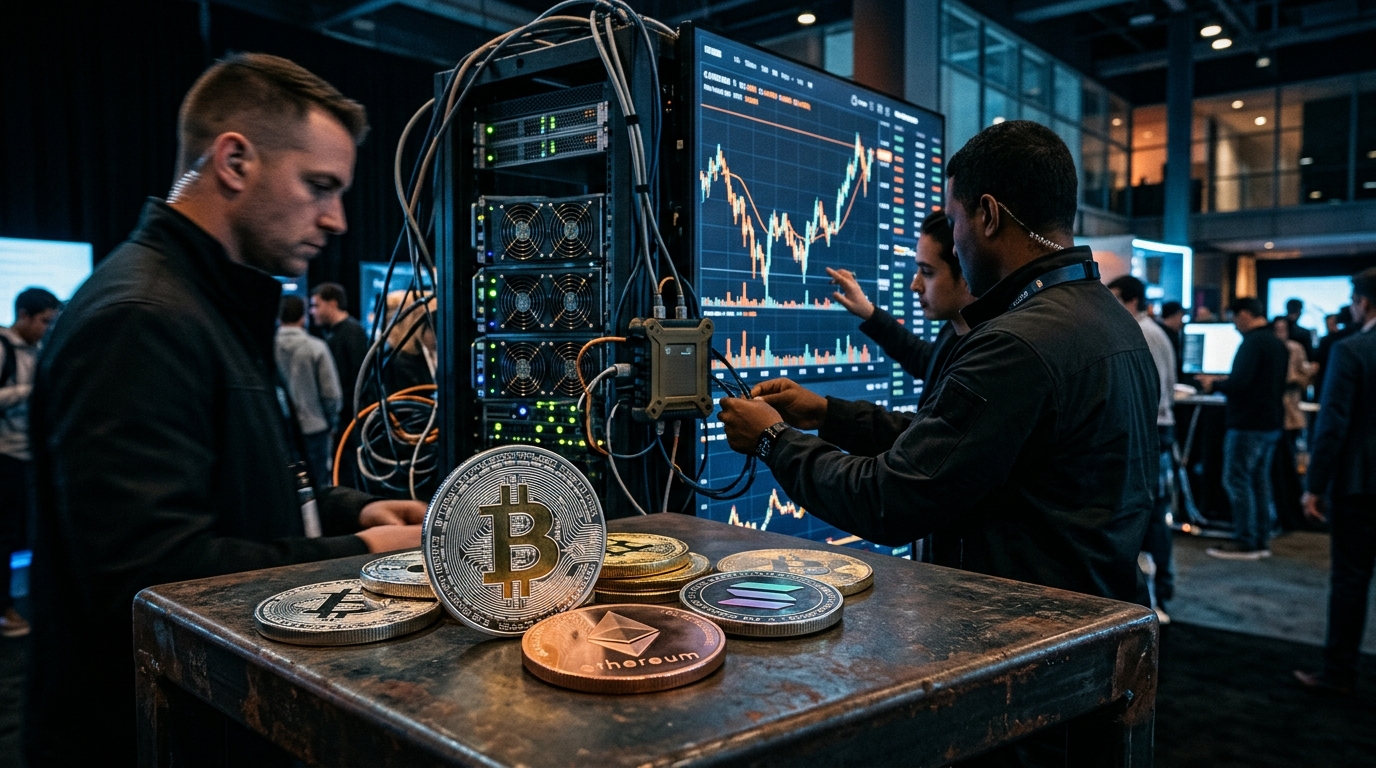
The easiest mistake this week is to treat a major exchange hack, post-election crypto politics, perpetual futures in US equities and quantum-AI industrial announcements as unrelated. They are not. Together they show a market repricing around infrastructure credibility. In prior cycles, crypto was often valued on user growth, token listings and macro liquidity. In the next phase, the winners will be judged on whether they can secure assets, survive regulatory integration and access enough compute to build defensible products. That is a much narrower field.
The Binance incident is therefore more than a one-off security event. It is a reminder that the cost of being a central liquidity node has risen structurally. Every hack now has second-order effects: insurance costs, compliance burden, user migration, tighter banking relationships and potentially a higher political cost for the entire sector. As crypto becomes more entangled with mainstream finance, the market stops forgiving operational fragility as a normal part of innovation and starts discounting it as poor governance.