
Less than a year after earning his doctoral degree in chemical and biomolecular engineering from Rice University, Thiago J. Pinheiro is already helping tackle one of the fundamental challenges facing fusion energy — using some of the world’s most advanced computing tools.
Doctoral graduate helps push quantum computing into fusion energy research
Less than a year after earning his doctoral degree in chemical and biomolecular engineering from Rice University, Thiago J. Pinheiro is already helping tackle one of the fundamental challenges facing fusion energy — using some of the…
Technology Org
Publisher
Aug 21, 2026 at 6:00 AM UTC · 3 phút đọc

Đang dịch…
Pinheiro presenting his work while still at Rice. Image credit: Rice University
Pinheiro is now a postdoctoral research associate at Oak Ridge National Laboratory where he studies the atomic-scale behavior of molten salts and other materials relevant to energy technologies. He recently played a key role in a collaboration among ORNL, Cleveland Clinic and IBM that performed the first known quantum computing calculations on molecular structures in a molten salt relevant to fusion energy.
The research used a combination of classical high-performance computing and IBM quantum computers to study FLiBe, a mixture of lithium fluoride and beryllium fluoride considered a leading candidate for the liquid “blanket” surrounding the fusion reaction in future reactors. That blanket could be used to produce tritium, a rare hydrogen isotope needed as fuel for many proposed fusion systems. Understanding how tritium interacts with FLiBe at the molecular level is an important step toward producing and recovering enough of it to sustain fusion reactors.
Article Intelligence
Related Coverage
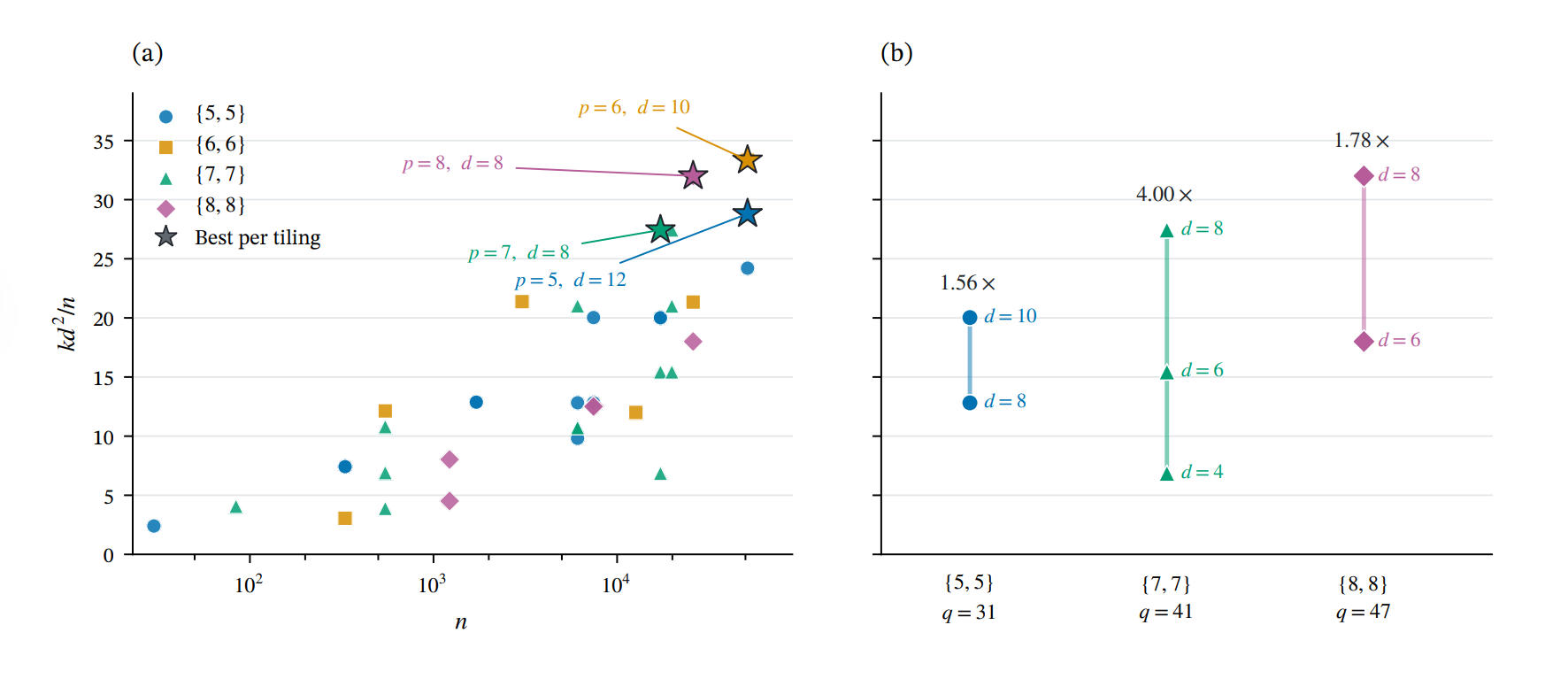 ResearchUniversity of Saskatchewan Researchers Achieve Record Hyperbolic Surface Code Efficiency for Modular Fault-Tolerant Architectures3 giờ trước · 2 min read
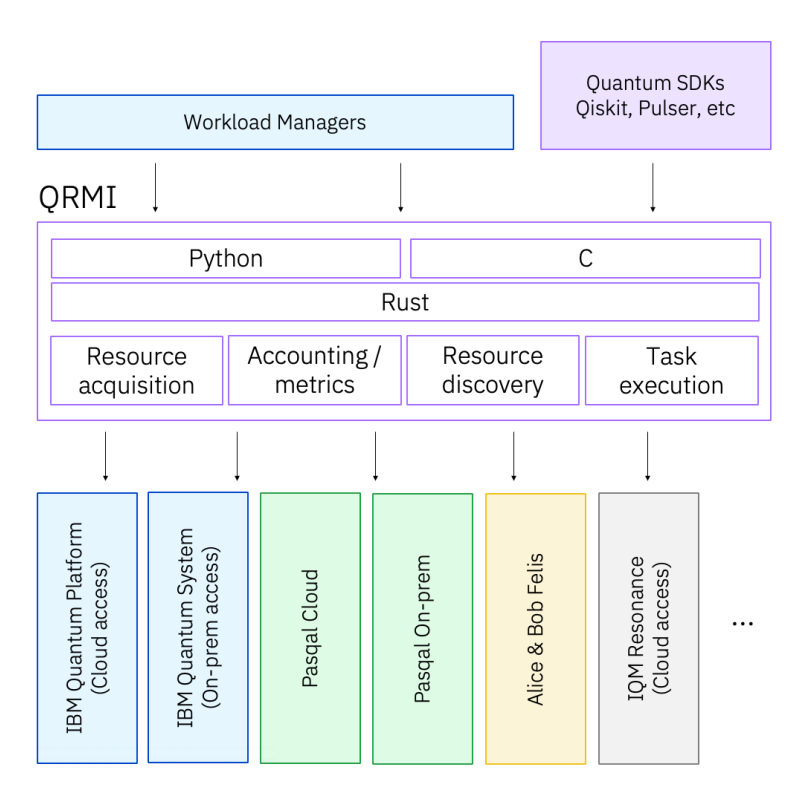 QuantumMulti-Institutional Consortium Expands QRMI to Standardize Quantum-HPC Integration Across Major Workload Managers3 giờ trước · 3 min read
 QuantumArqit Quantum Inc. Reports Select Preliminary FY 2026 Financial Results: Annual Revenue Tops $975K, NATO Contract Win, and Cash Position Reaches $51Mmột ngày trước · 1 min read
Sponsored
Ad
NewsLayerLearn more
NewsLayer Premium
Unlock deeper intelligence.
Ad-free reading, exclusive research, and real-time onchain insights.
Go Premium