
Pháp y Crypto đang triệt phá IRGC như thế nào
Bài báo nghiên cứu cách thức pháp y tiền mã hóa có thể được sử dụng để điều tra và làm gián đoạn các hoạt động tài chính liên quan đến Quân đoàn Vệ binh Cách mạng Hồi giáo Iran (IRGC). Bài viết được xuất bản bởi Jerusalem Center for Security and Foreign Affairs.
Jerusalem Center for Security and Foreign Affairs
Publisher
Aug 10, 2026 at 9:37 AM UTC · 11 phút đọc
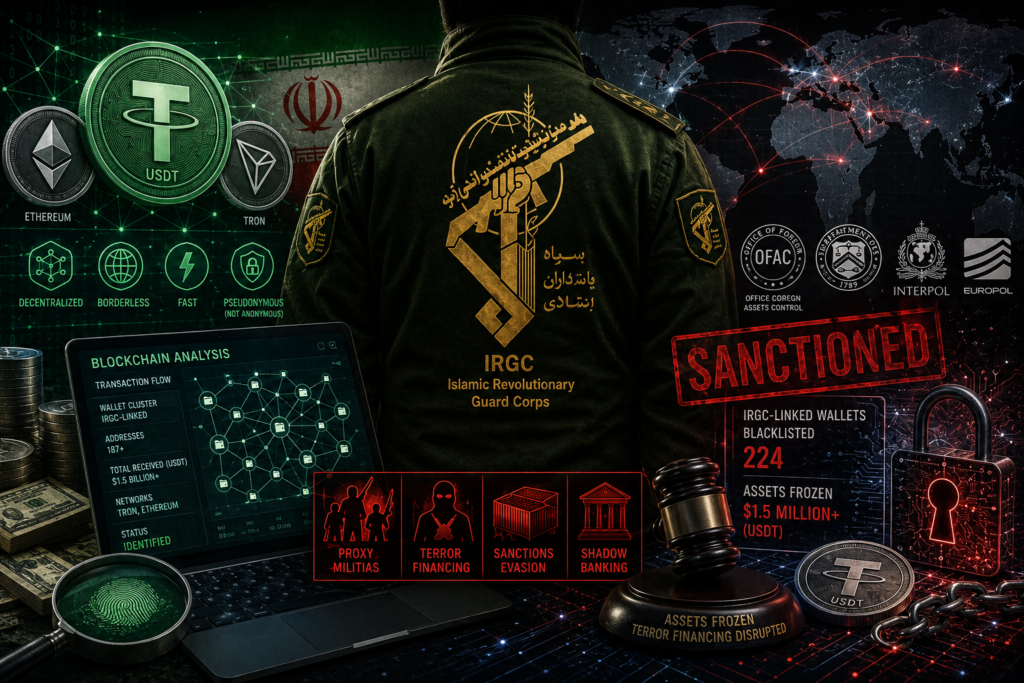
Key Signal
187 wallets IRGC-linked wallets seized
Last Updated
2 tháng trước
Điểm Chính
- Các công cụ pháp y crypto có thể truy vết và phân tích các giao dịch dựa trên blockchain.
- Bài báo tập trung vào các cuộc điều tra tiềm năng liên quan đến IRGC.
- Tác phẩm đến từ Jerusalem Center for Security and Foreign Affairs.
Tiền mã hóa cung cấp cho các tổ chức bị trừng phạt và khủng bố những cách thức mới để chuyển giá trị, nhưng các blockchain công khai cũng tạo ra các bản ghi vĩnh viễn mà các nhà điều tra có thể phân tích hồi cứu. Pháp y tiền mã hóa có thể kết nối các ví, xác định cơ sở hạ tầng, phơi bày các mối quan hệ tài chính và hỗ trợ các lệnh trừng phạt hoặc phong tỏa tài sản. Các nhà phát hành stablecoin tập trung và các sàn giao dịch tạo ra các điểm can thiệp đặc biệt quan trọng, nơi các cơ quan chức năng có thể làm gián đoạn quyền truy cập vào nguồn vốn. Khi các kỹ thuật né tránh trở nên tinh vi hơn, việc thực thi hiệu quả sẽ ngày càng kết hợp phân tích blockchain, AI, các phương pháp điều tra truyền thống, quyền hạn pháp lý và hợp tác quốc tế.
Các điểm chính
- Tính minh bạch của blockchain có thể chống lại tài chính bất hợp pháp. Các bản ghi giao dịch công khai, bất biến cho phép các nhà điều tra truy tìm hoạt động trong quá khứ, kết nối các ví có liên quan và khám phá các mạng lưới tài chính vốn khó có thể tái thiết lập thông qua các hệ thống ngân hàng truyền thống.
- Việc thực thi ngày càng nhắm mục tiêu vào toàn bộ hệ sinh thái tài chính. Việc phong tỏa ví, trừng phạt sàn giao dịch, đưa stablecoin vào danh sách đen và điều tra các nhà môi giới và nhà cung cấp cơ sở hạ tầng có thể phá vỡ các cửa ngõ kết nối tài sản kỹ thuật số với tiền bạc và nguồn lực trong thế giới thực.
- Pháp y tiền mã hóa đang trở thành một khả năng chống khủng bố chiến lược. Hiệu quả của nó không chỉ phụ thuộc vào phân tích blockchain, mà còn vào thẩm quyền pháp lý phù hợp, sự hợp tác của khu vực tư nhân, sự phối hợp quốc tế và việc phát hiện ngày càng có sự hỗ trợ của AI.
Article Intelligence
Topics
Regulation Signal
in progressUpdated 2 tháng trước
SEC Crypto Asset Market Structure RulemakingRelated Coverage
 PolicyCrypto regulation at SEC, CFTC to come down to 3 commissioners following key resignation4 giờ trước · 2 min read
 CryptoCoinbase Secures CFTC Clearinghouse Approval, Becoming First Crypto Firm to Hold All Three U.S. Derivatives Registrationsmột giờ trước · 2 min read
 PolicySEC and CFTC Crypto Regulation Heads to 3 Commissioners After Resignation2 giờ trước · 4 min read
Sponsored
Ad
NewsLayerLearn more
NewsLayer Premium
Unlock deeper intelligence.
Ad-free reading, exclusive research, and real-time onchain insights.
Go Premium