
Cách tính năng Key Rotation của XRP tạo ra lá chắn lượng tử mà Bitcoin còn thiếu
Cách tính năng Key Rotation của XRP tạo ra lá chắn lượng tử mà Bitcoin còn thiếu trên Yellow.com
Yellow.com
Publisher
Aug 12, 2026 at 1:55 AM UTC · Updated một tháng trước · 2 phút đọc
Key Signal
0.03% XRP supply vulnerable
Entities
bitcoin, xrp
Market Impact
Total MCap-2.64%
Last Updated
một tháng trước
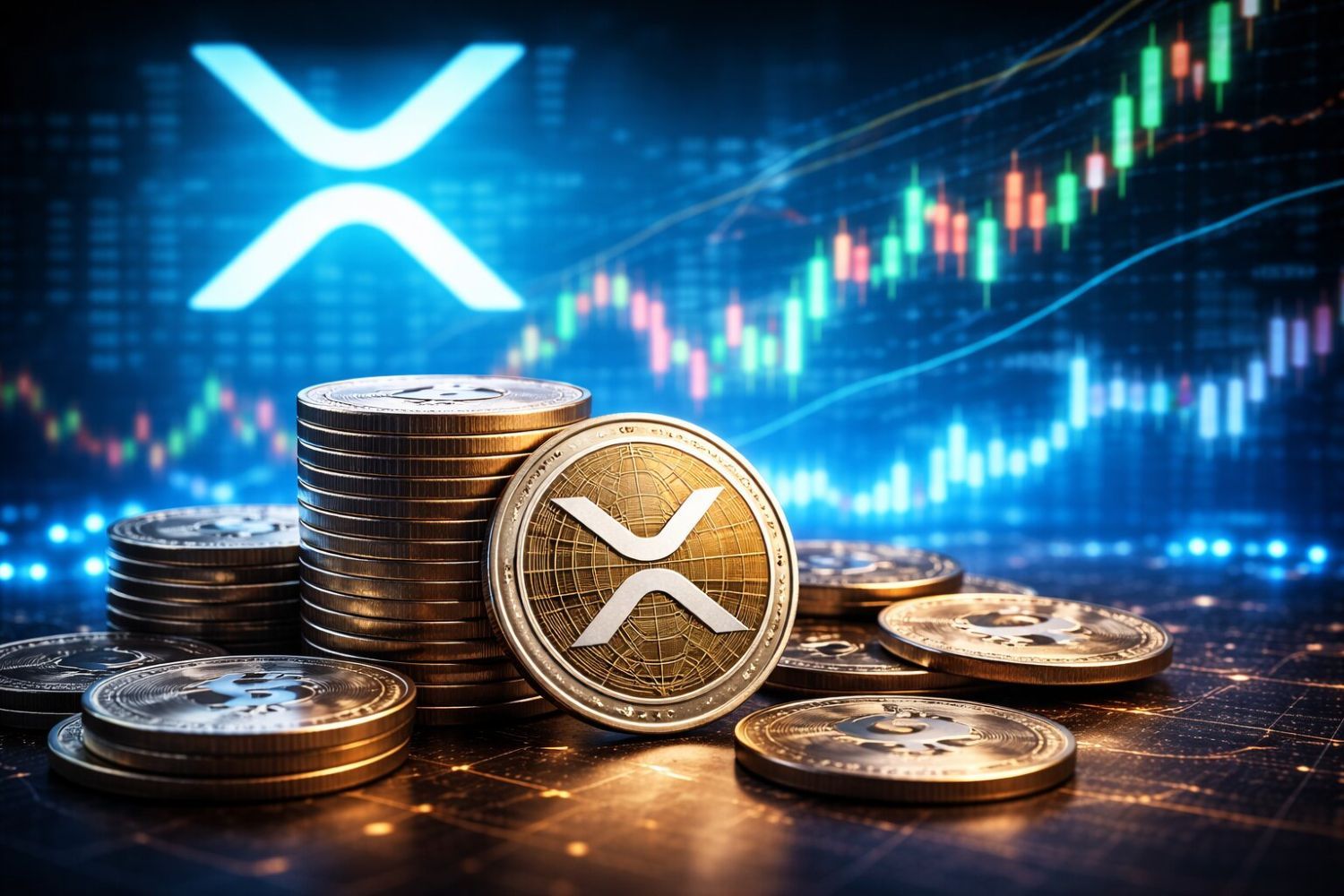
XRP (XRP) có thể đối mặt với ít rủi ro hơn từ các mối đe dọa điện toán lượng tử trong tương lai so với Bitcoin (BTC), với chỉ 0,03% nguồn cung lưu hành được coi là dễ bị tổn thương so với ước tính 35% của BTC.
Kiểm toán lượng tử của XRP Ledger
Một validator trên XRP Ledger được gọi là Vet đã thực hiện một cuộc kiểm toán lỗ hổng lượng tử đầy đủ cho mạng lưới trong tuần này. Đợt rà soát cho thấy khoảng 300.000 tài khoản XRP nắm giữ 2,4 tỷ token chưa từng thực hiện giao dịch, nghĩa là mã khóa công khai của họ vẫn được ẩn khỏi mạng lưới. Những tài khoản đó mặc định là an toàn trước lượng tử.
Chỉ có hai tài khoản cá voi không hoạt động — nắm giữ tổng cộng 21 triệu XRP — được xác định là có rủi ro. Cả hai đều đã thực hiện giao dịch ít nhất năm năm trước và chưa thay đổi khóa ký kể từ đó.
XRPL cung cấp tính năng thay đổi khóa tích hợp cho phép người dùng hoán đổi khóa ký của họ mà không cần di chuyển tiền. Mayukha Vadari, một kỹ sư phần mềm tại Ripple, cũng chỉ ra cơ chế khóa thời gian ký quỹ của sổ cái như một lớp phòng thủ bổ sung. "Khóa thời gian cũng không dựa trên hash, bạn đơn giản là không thể truy cập cho đến khi thời gian đó trôi qua," Vadari cho biết.
Rủi ro vẫn tồn tại đối với các tài khoản không hoạt động lâu ngày mà chủ sở hữu có thể đã mất quyền truy cập hoặc đơn giản là không còn chú ý đến.
Market Context
Bitcoin
BTC
$84,270
+0.24% (24H)
Market Cap
$1.69T
24H Volume
$13.3B
24H High
$84,451
Article Intelligence
Topics
Related Coverage
 CryptoBitcoin ETF Daily Inflows Sink 80%, Yet Weekly Total Hits Largest Since October11 phút trước · 3 min read
 CryptoBitcoin and Ether post strong Q3 gains, with BT...34 phút trước · 1 min read
 CryptoBitcoin gains 43% in Q3 2026, marking its secon...43 phút trước · 1 min read
Sponsored
Ad
NewsLayer Premium
Unlock deeper intelligence.
Ad-free reading, exclusive research, and real-time onchain insights.
Go Premium