

Tài sản mã hóa, bao gồm tiền mã hóa, stablecoin, token không thể thay thế (NFT) và tiền gửi được token hóa, đã phát triển từ một thử nghiệm ngách thành một nền tảng cho chuyển đổi số. Với sự trưởng thành của thị trường, công nghệ nền tảng được hiểu rõ hơn và sự rõ ràng trong các quy định, chúng đang thiết kế lại hệ thống thanh toán tương lai, chuyển dịch giá trị liền mạch như dữ liệu. Do các đặc điểm độc đáo về cơ sở hạ tầng phi tập trung, giao dịch không biên giới và các mối quan tâm về quyền riêng tư, các khung pháp lý truyền thống không thể quản lý hiệu quả công nghệ này.
Quan điểm | Cấm tiền mã hóa không hiệu quả. Đã đến lúc cần quản lý
Quan điểm | Cấm tiền mã hóa không hiệu quả. Đã đến lúc cần quản lý kathmandupost.com
kathmandupost.com
Publisher
Aug 16, 2026 at 1:04 AM UTC · 4 phút đọc
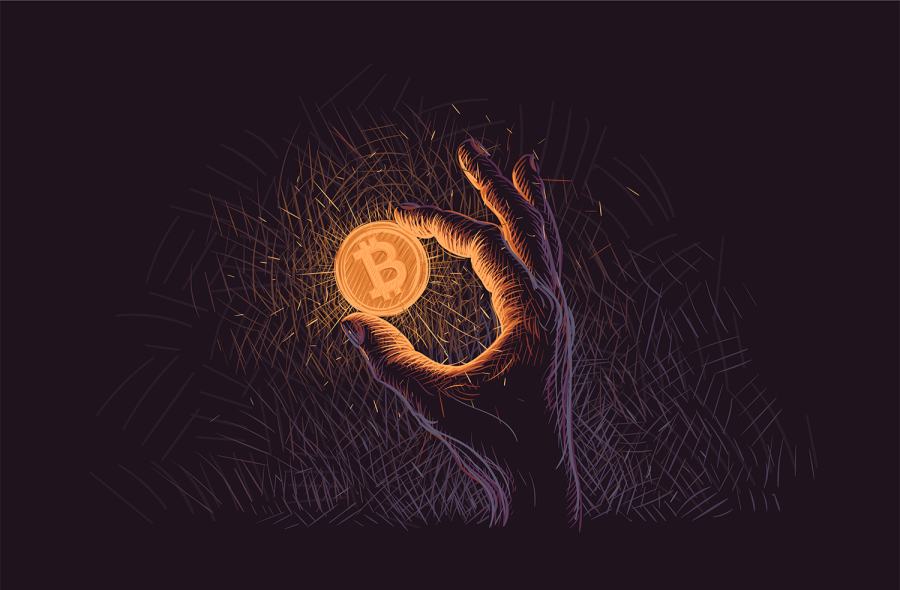
Cách tiếp cận của Nepal đối với tài sản kỹ thuật số mang tính hạn chế. Tài sản kỹ thuật số không được phép ở Nepal. Cách tiếp cận thận trọng này của Ngân hàng Nepal Rastra (NRB) là có thể hiểu được đối với một quốc gia có sự kiểm soát vốn, cơ sở hạ tầng thị trường tài chính nông và phụ thuộc nhiều vào dòng kiều hối.
Với việc Nepal nhận được khoảng $10 tỷ USD kiều hối hàng năm và số lượng người Nepal tham gia vào nền kinh tế tự do (gig economy) toàn cầu ngày càng tăng, nhu cầu về một chính sách tài sản kỹ thuật số toàn diện đã trở nên cấp thiết. Nếu ngành công nghiệp blockchain và mã hóa có thể được quy định và quản lý, nó có thể mở ra những cơ hội kinh tế mới quan trọng cho một nền kinh tế đang phát triển.
Article Intelligence
Topics
Related Coverage
 CryptoBitcoin falls below $83,000 amid $670M in U.S. government-linked transfers29 phút trước · 1 min read
 CryptoGrayscale ETF Attracts Over $1 Billion in First Month, Signaling a Shift in the Crypto ETF Landscapemột giờ trước · 3 min read
 CryptoHow much is Wisconsin's crypto ATM law limiting scams?một giờ trước · 10 min read
Sponsored
Ad
NewsLayerLearn more
NewsLayer Premium
Unlock deeper intelligence.
Ad-free reading, exclusive research, and real-time onchain insights.
Go Premium