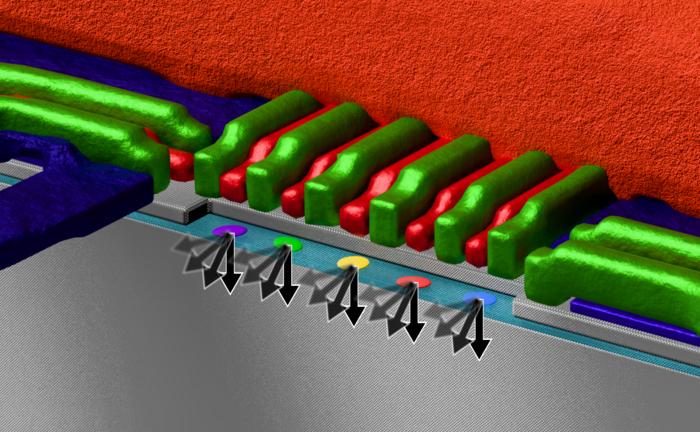

Quantum calculations reveal how spin defects lose energy
When light hits a tiny defect embedded in a solid material like diamond or silicon carbide, it can kick the defect's electrons into an excited state. These spin defects have the potential to be used as stable, readable qubits for…
Phys.org Quantum Physics
Publisher
Oct 15, 2026 at 3:40 PM UTC · Updated 4 ngày trước · 1 phút đọc

When light hits a tiny defect embedded in a solid material like diamond or silicon carbide, it can kick the defect's electrons into an excited state. These spin defects have the potential to be used as stable, readable qubits for quantum technologies, for example, quantum sensing. But modeling the full physics of their energetics over time—a key step in developing spin defects into new technologies—is a challenging task.
Sourced by
Originally reported by Phys.org Quantum Physics
NewsLayer coverage based on externally reported material.
The Daily Brief
The onchain economy, before your day starts.
Curated markets, onchain insights, and key headlines — delivered every weekday morning.
Weekdays · Free · ~5 minute read
0
Applause
Was this article helpful?
Article Intelligence
Topics
Related Coverage
 QuantumMajor Quantum Computing Breakthrough: Google Successfully Executes "Magic State Distillation" on a Real Chip for the First Time12 giờ trước · 1 min read
 Quantum29-Year-Old Nature Paper First Author Qiao Mu Unveiled as Founder of a Quantum Computing Startup14 giờ trước · 1 min read
Sponsored
Ad
NewsLayer Premium
Unlock deeper intelligence.
Ad-free reading, exclusive research, and real-time onchain insights.
Go Premium