
Yann Valibouse of the University of Vienna and colleagues have experimentally implemented a BB84-like protocol using a photonic quantum SWITCH, embedding Alice and Bob’s operations within it. This enables eavesdropper detection via measurements of a control qubit, achieving an average detection probability of 0.15 ±0.02 per shared qubit. The technique avoids discarding encrypted data during eavesdropping detection. Current methods typically require revealing and discarding portions of the key to check for interference, but this new approach allows all data to potentially remain secure during communication.
Researchers Detect Eavesdropping With 15% Qubit Probability
Yann Valibouse of the University of Vienna and colleagues have experimentally implemented a BB84-like protocol using a photonic quantum SWITCH, embedding Alice and Bob’s operations within it. This enables eavesdropper detection via…
Quantum Zeitgeist
Publisher
Aug 28, 2026 at 8:56 PM UTC · Updated một giờ trước · 5 phút đọc
Đang dịch…
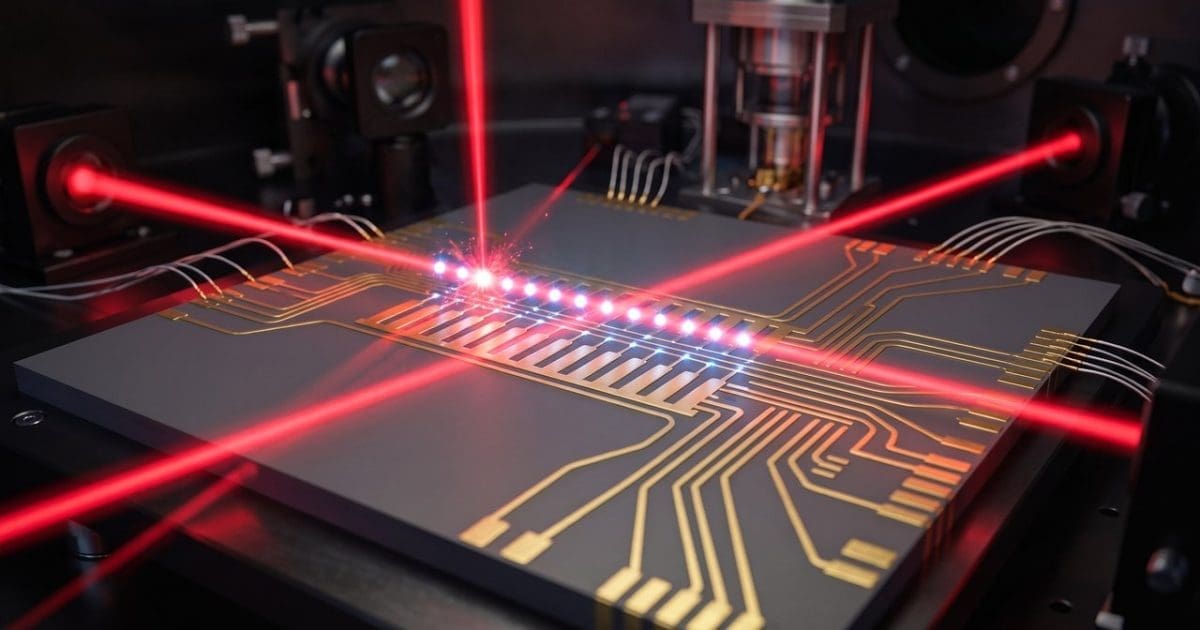
The team embedded operations for sending and receiving information within a photonic quantum SWITCH, a device exploiting a quantum phenomenon called indefinite causal order. Existing quantum key distribution protocols, like the BB84 method of encrypting messages using the properties of light, typically require revealing and discarding portions of the key to verify security, but this new technique preserves all potentially secure data. The team embedded the operations for sending and receiving information within a photonic quantum SWITCH, a device that manipulates single photons like a railway switch directing them along different paths.
Article Intelligence
Related Coverage
 QuantumQuantum Computing Is Closer Than Insurers Think5 giờ trước · 1 min read
 ResearchCreates to Receive $1.25 Million as Part of the National MARQUIS Initiative Uniting Leading Research Institutions and Industry Partners10 giờ trước · 3 min read
Sponsored
Ad
NewsLayerLearn more
NewsLayer Premium
Unlock deeper intelligence.
Ad-free reading, exclusive research, and real-time onchain insights.
Go Premium