
The Proposal would establish two offering exemptions, a conditional safe harbor for investment contracts and broad preemption of state securities laws registration and qualification requirements.
SEC Proposes Tailored Exemptions for Cryptoasset Offerings
The SEC is reportedly proposing tailored exemptions for certain cryptoasset offerings, according to fintechanddigitalassets.com. The excerpt does not specify the scope, eligibility criteria, or timing of the proposed exemptions.
fintechanddigitalassets.com
Publisher
Sep 2, 2026 at 7:43 PM UTC · Updated một ngày trước · 14 phút đọc
Key Signal
$5M Startup raise cap
Last Updated
một ngày trước
Đang dịch…
Điểm Chính
- The SEC is considering exemptions tailored to cryptoasset offerings.
- The proposal could affect how some cryptoasset offerings are regulated.
- Details on the exemptions' requirements and applicability were not provided in the excerpt.
By Paul M. Dudek, Zachary Fallon, Stephen P. Wink, and Deric Behar
Key Points:
- The proposed rules would create two new offering exemptions for “covered investment contracts” involving cryptoassets: a Startup Exemption (permitting raises of up to $5 million over a four-year period, with no financial statement requirements) and a tiered Fundraising Exemption modeled on Regulation A (permitting raises of up to either $20 million or $75 million annually, with varying disclosure and reporting obligations).
- The proposal builds on the SEC’s March 2026 Interpretive Release and the Howey framework by re-emphasizing the distinction between an investment contract (the security) and the underlying cryptoasset (not itself a security).
- A new investment contract safe harbor would allow an issuer to self-certify that its covered investment contract has “ceased to exist” once all promised essential managerial efforts have been completed or permanently ceased, but the SEC retains authority to challenge such certification.
- If finalized, the rules would broadly preempt state securities laws registration and qualification requirements for primary and secondary market transactions, though states would retain antifraud enforcement authority.
Article Intelligence
Regulation Signal
in progressUpdated một tháng trước
SEC Crypto Asset Market Structure RulemakingRelated Coverage
 PolicySouth Korean regulators introduce tokenized securities roadmap30 phút trước · 1 min read
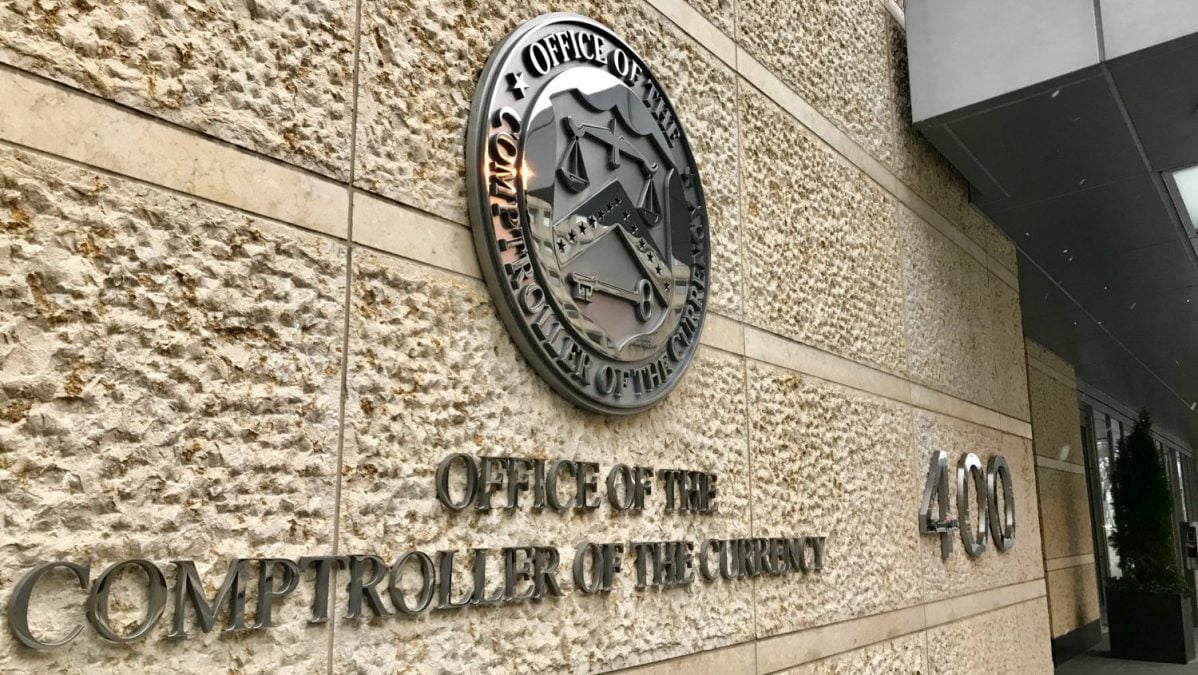 PolicyAndreessen Horowitz-backed OpenReserve secures preliminary OCC approval for national bank chartermột giờ trước · 1 min read
 PolicyREGULATION | OpenReserve Gets Preliminary OCC Approval for a U.S. Blockchain Bank2 giờ trước · 2 min read
Sponsored
Ad
NewsLayerLearn more
NewsLayer Premium
Unlock deeper intelligence.
Ad-free reading, exclusive research, and real-time onchain insights.
Go Premium