
On November 13, 2026, Circle’s chief product and technology officer Nikhil Chandhok told The Fintech Times that the firm views USDC not as a financial instrument but as a consumer utility. The comment, made at TechCrunch Disrupt and a follow‑up interview, marks a deliberate reframing that could alter the USDC regulation trajectory—moving debates away from securities law and toward product‑safety standards for everyday users. For global businesses and DAOs that rely on stablecoin cross-border payments, this shift signals a possible future where compliance burdens attach more to how a stablecoin is built for end users than to the asset’s classification.
Stablecoin Regulation Shift: Circle Frames USDC as Consumer Utility
On November 13, 2026, Circle’s chief product and technology officer Nikhil Chandhok told The Fintech Times that the firm views USDC not as a financial instrument but as a consumer utility. The comment, made at TechCrunch Disrupt and a…
OneSafe
Publisher
Nov 14, 2026 at 12:21 AM UTC · Updated một giờ trước · 7 phút đọc

Entities
circle
Last Updated
một giờ trước
Đang dịch…
Table of Contents
What Just Happened: Circle Reframes Stablecoins as a Consumer Utility
Circle’s executive argued that mass adoption of Circle USDC depends on making it usable without blockchain knowledge. According to Chandhok, the winning stablecoin will be the one billions use with a phone, much like popular consumer apps. This framing challenges the SEC’s securities‑like view and pulls stablecoin regulation toward consumer‑protection agencies and user‑interface safety.
Chandhok’s two decades at Google, YouTube, and Meta ground the argument. He compares stablecoin design to launching YouTube on the first iPhone—success came from hiding complexity. That perspective contradicts the assumption that stablecoin regulation must first settle custody, reserve composition, and redemption under financial‑instrument logic before broadening access.
Article Intelligence
Key Entities
Related Coverage
 CryptoPNC Bank Pilots USDC Payments Converted to Dollars for Clients4 giờ trước · 1 min read
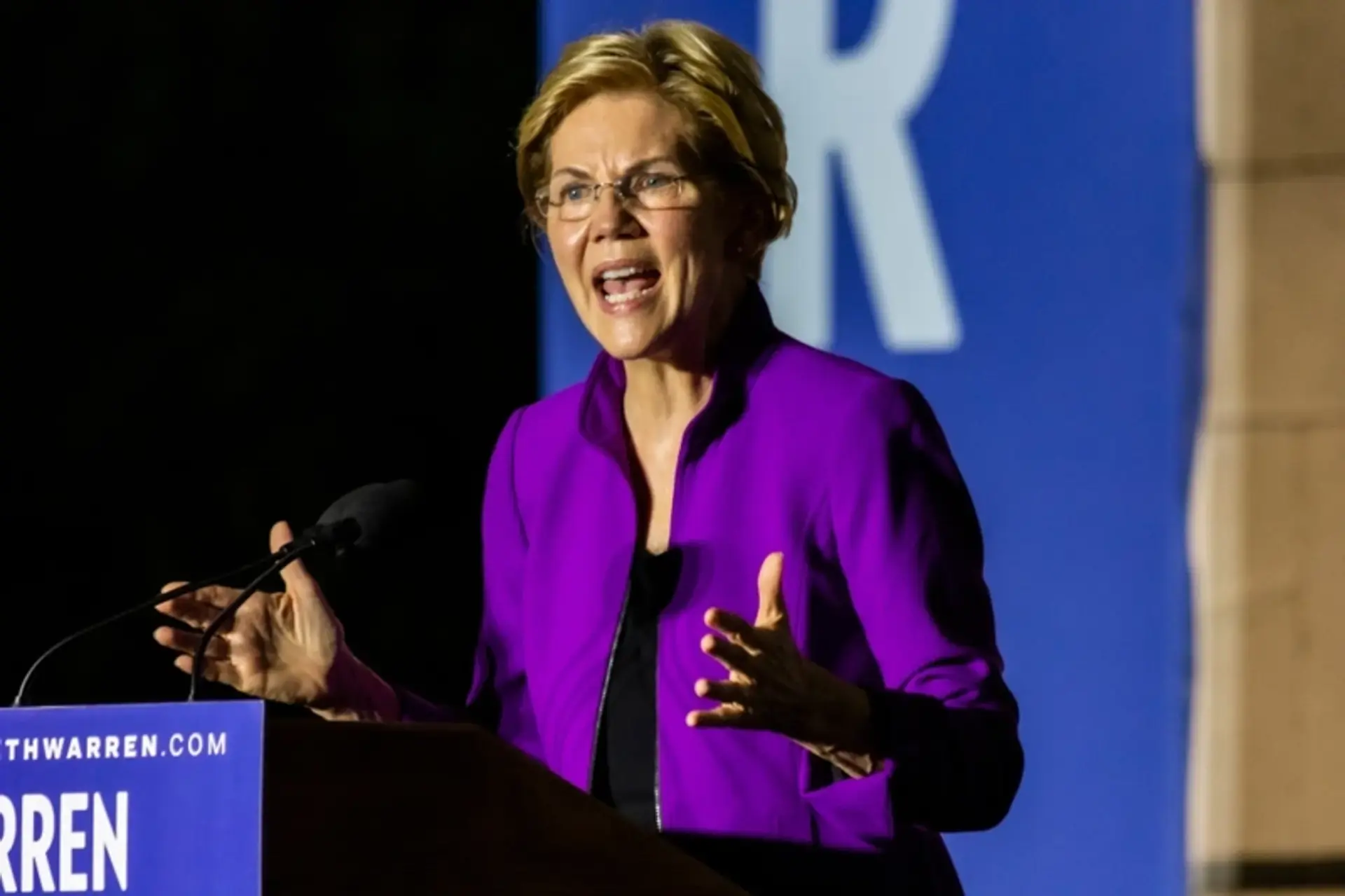 CryptoElizabeth Warren Emerges as Leading Pick for Senate Banking Chair, Crypto Industry on Edge14 phút trước · 2 min read
 CryptoElizabeth Warren could reopen crypto’s banking fight without changing a single lawmột giờ trước · 7 min read
Sponsored
Ad
NewsLayerLearn more
NewsLayer Premium
Unlock deeper intelligence.
Ad-free reading, exclusive research, and real-time onchain insights.
Go Premium