


Russia has increasingly relied on cryptocurrency channels to keep tech, military materiel, and hundreds of billions of dollars’ worth of cash flowing across borders since wartime sanctions first hit.
The European Union, after a slow start, has increasingly tried to disrupt them.
Now, with recent measures targeting crypto actors in third countries, “we are definitely moving into a next phase of EU sanctions strategy when it comes to digital assets,” said Isabella Chase, head of policy for Europe, the Middle East, and Africa at TRM Labs.
Kharon reviewed and catalogued each of the EU’s crypto sanctions measures dating to their first appearance in a Russia package, four months into the war. Together, they chart a rapid evolution in the bloc’s crypto strategy — from imposing limited and narrow crypto-trading restrictions to wider bans and sanctions targeting key exchanges, currencies, and the often-international infrastructure that prop them all up.
The EU’s Rapid Evolution on Crypto Sanctions, Visualized
Russia has increasingly relied on cryptocurrency channels to keep tech, military materiel, and hundreds of billions of dollars’ worth of cash flowing across borders since wartime sanctions first hit. The European Union, after a slow…
Kharon
Publisher
Aug 20, 2026 at 9:43 PM UTC · 3 phút đọc
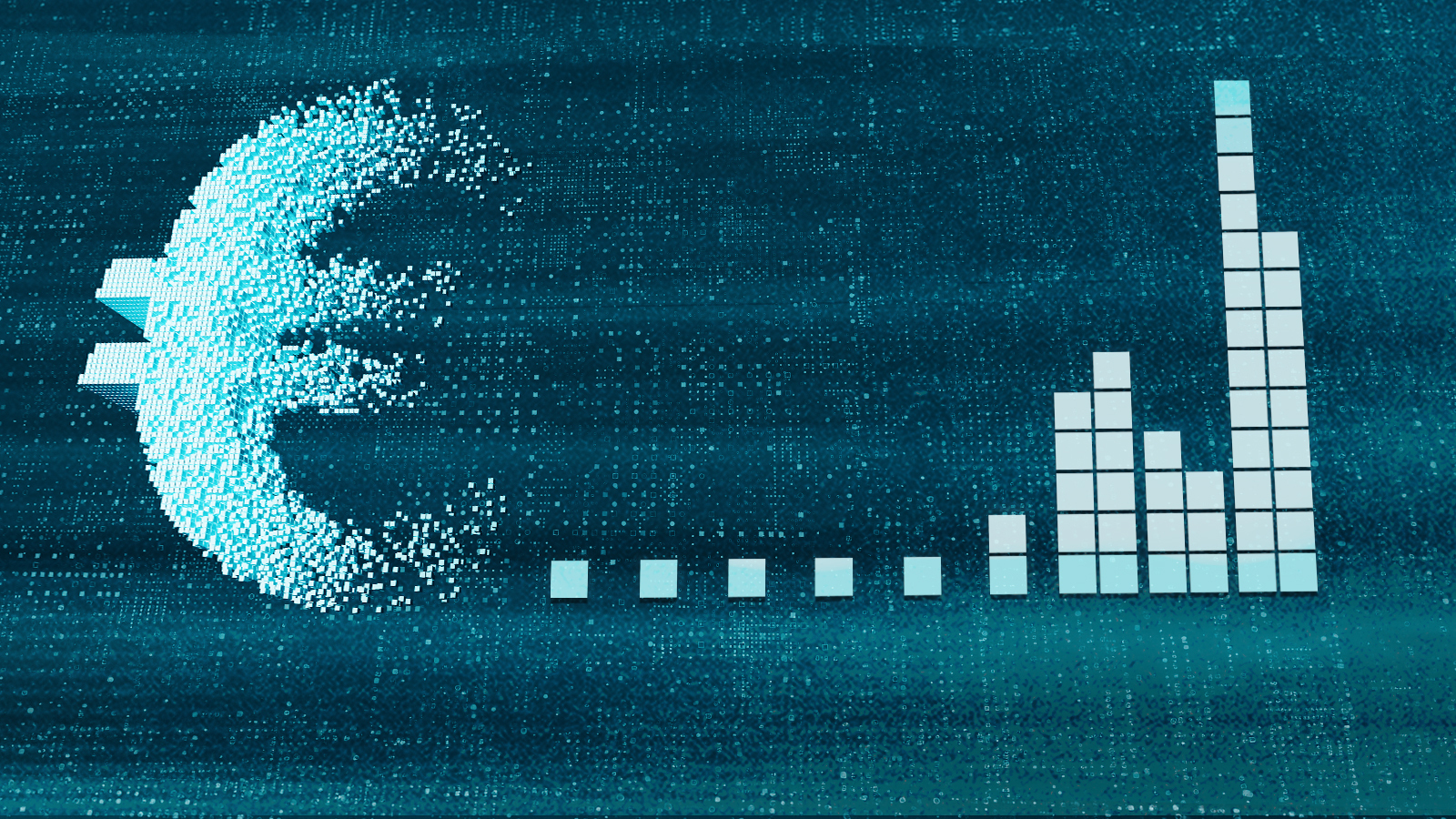
It’s “really a story of both the [European] Commission growing in confidence and understanding the technology and how you can pull different sanctions levers to target different parts of it,” Chase said, “while simultaneously you see sanctioned actors themselves becoming more fluent in how they use crypto, and then also beginning to really share that playbook on what is effective and what works well among themselves.”
Article Intelligence
Topics
Related Coverage
 CryptoIBIT's 0.25% Fee Sells Off Bitcoin Daily, and the Prospectus Calls Every Sale a Taxable Event11 phút trước · 3 min read
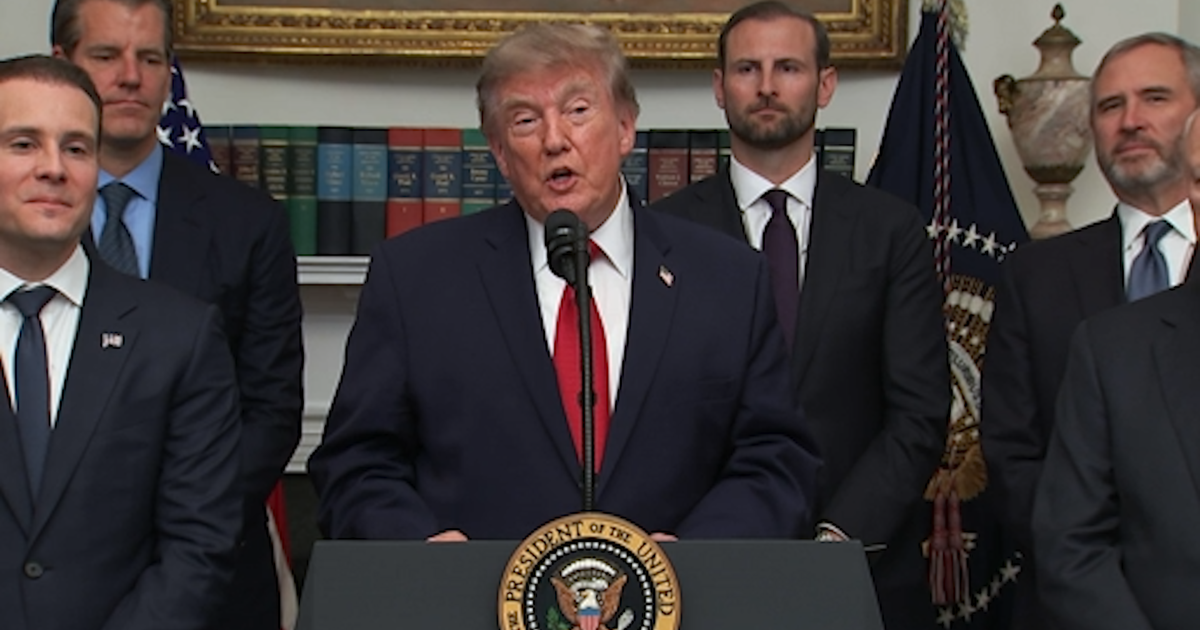 PolicyTrump Meets with Crypto Leaders at White House, Encourages Congress to Pass Clarity Act25 phút trước · 3 min read
 PolicySEC’s Proposed Regulation Crypto Assets: What It Means and Why It Matters35 phút trước · 5 min read
Sponsored
Ad
NewsLayer Premium
Unlock deeper intelligence.
Ad-free reading, exclusive research, and real-time onchain insights.
Go Premium