
Why crypto and financial scandals are finally denting Reform UK
For many years it’s been something of a shibboleth in the political classes that Nigel Farage isn’t like other politicians and his political projects – UKIP, the Brexit Party, and now Reform UK – are held to different standards than the…
openDemocracy
Publisher
Sep 18, 2026 at 9:10 AM UTC · 5 phút đọc
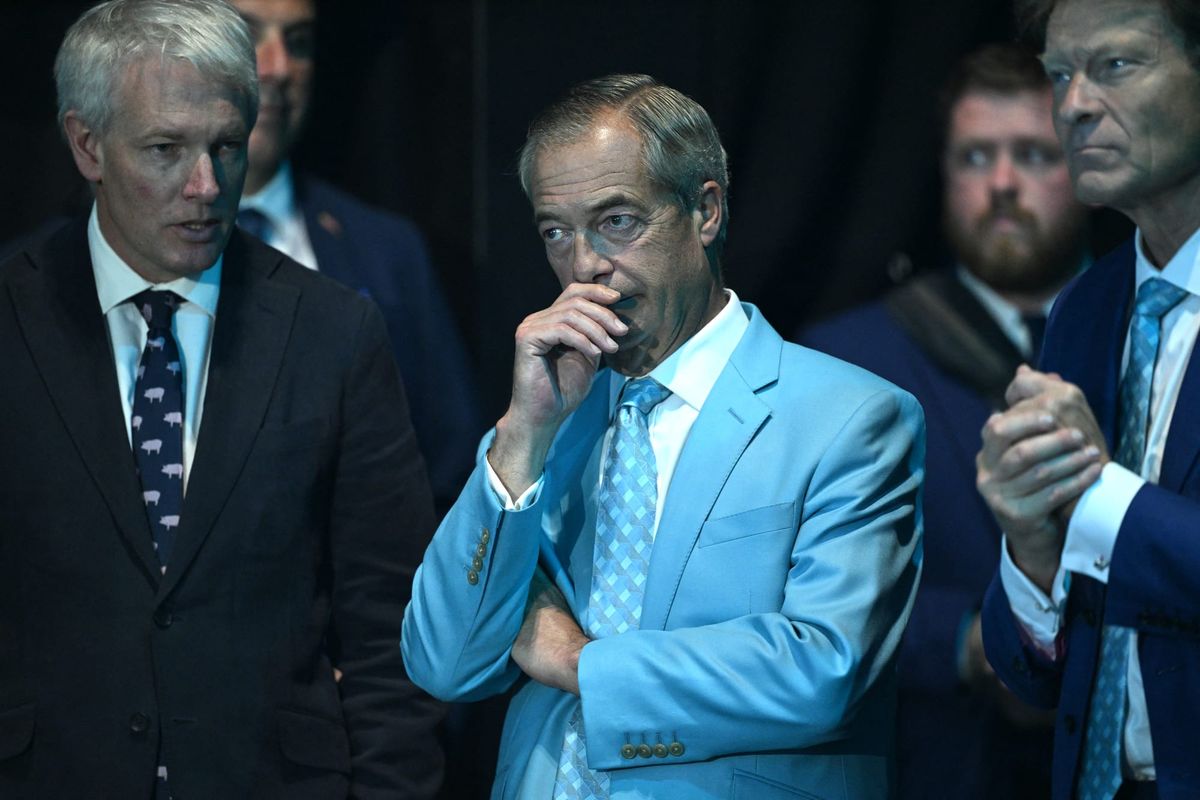
For many years it’s been something of a shibboleth in the political classes that Nigel Farage isn’t like other politicians and his political projects – UKIP, the Brexit Party, and now Reform UK – are held to different standards than the ‘mainstream’ parties. Negative stories just don’t seem to stick to them in the same way, their opponents grumble.
This different kind of scrutiny is in part to do with the kind of parties Farage has previously led, which have sought to make the political weather rather than take power, critique policy rather than produce it. This approach has been successful, with the slow burn of pressure applied by UKIP a key factor behind Brexit. But now Reform wants to play a different game: explicitly seeking to become a party of government – a government with Farage at its head.
Despite these aspirations, Reform has until recently maintained its ability to brush off negative stories. Having performed well at the 2024 general election, the party was able to capitalise on a diminished Tory party and a Labour Party at war with its leader to great success at the local votes in 2025 and 2026. Even as its former Welsh leader, Nathan Gill, was sentenced to ten years in prison for accepting bribes from Russia as a member of the European Parliament in November 2025, Reform’s polling stayed steady. At the start of that month they were at 27%; at the start of December 2025, 26%.
Article Intelligence
Topics
Sponsored
Ad
NewsLayer Premium
Unlock deeper intelligence.
Ad-free reading, exclusive research, and real-time onchain insights.
Go Premium