

Artificial intelligence systems are starting to do more than answer questions. New AI “agents” can remember information from previous interactions, plan a series of steps and use digital tools to complete tasks.
breaking
AI agents can now remember and hackers can ‘poison’ their memories — a new cybersecurity threat
Artificial intelligence systems are starting to do more than answer questions. New AI “agents” can remember information from previous interactions, plan a series of steps and use digital tools to complete tasks.
The Conversation
Publisher
Sep 3, 2026 at 11:57 AM UTC · 4 分钟阅读
翻译中…
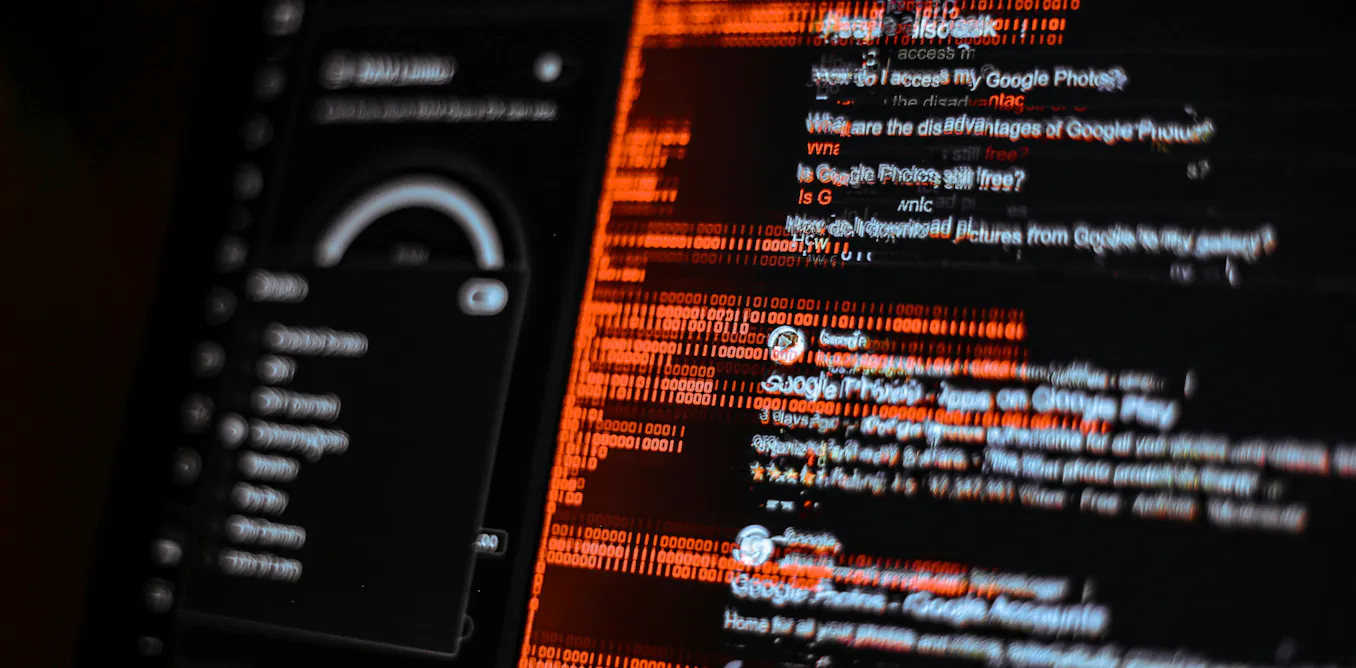
Memory is part of what makes these systems useful. But my recent research, conducted with my colleague Hadis Karimipour at the University of Calgary, shows that memory can also create a security weakness that is easy to overlook. Think of an AI agent as an assistant that keeps a notebook of what it learns. Each time it completes a task, useful information can be written into the notebook and consulted later.
Now imagine that someone manages to slip a misleading instruction into that notebook. The attacker may not need to take control of the AI directly. The agent can continue working normally for some time. But days — or several interactions — later, it may open its notebook, retrieve the poisoned information and treat it as something it previously learned and can trust.
This is known as memory poisoning and the important part is the delay. A poisoned AI agent may not immediately behave like a compromised system.
An attack that waits
Many familiar cybersecurity attacks produce effects relatively quickly. A malicious link is clicked, malware executes or a stolen password is used to access an account.
Article Intelligence
Topics
Related Coverage
 Artificial IntelligenceOpenAI puts $1 billion behind cyber defense after unveiling AI that can find zero-days1 小时前 · 1 min read
 PolicyBernie Sanders Pushes Bill to Ban Advanced AI Development10 小时前 · 2 min read
Sponsored
Ad
NewsLayerLearn more
NewsLayer Premium
Unlock deeper intelligence.
Ad-free reading, exclusive research, and real-time onchain insights.
Go Premium