


Researchers at Universidade Federal de São Carlos (UFSCar) have demonstrated a new method for constructing any single-qubit quantum gate using a simplification: a single electromagnetic pulse. Building high fidelity quantum gates is a fundamental task for quantum computing. In the case of single-qubit gates, constructing arbitrary gates with a sequence of pulses is in principle straightforward, as demonstrated by Kok et al. and Häffner et al. The team obtained this result by inverting the equation of motion for the evolution operator, a standard method for obtaining the formula. This approach relies only on the rotating-wave-approximation, the only approximation involved, potentially streamlining implementation.
Brazilian Researchers Demonstrate Universal Single-Qubit Gates With One Pulse
Researchers at Universidade Federal de São Carlos (UFSCar) have demonstrated a new method for constructing any single-qubit quantum gate using a simplification: a single electromagnetic pulse. Building high fidelity quantum gates is a…
Quantum Zeitgeist
Publisher
Aug 17, 2026 at 1:48 AM UTC · Updated 2 天前 · 6 分钟阅读

翻译中…
Single-Qubit Gate Generation with Linearly-Polarized Fields
A single, carefully shaped pulse of light can now enact any single-qubit quantum gate, a feat previously requiring complex sequences of multiple pulses. This advancement does not offer a pathway to simplify hardware and boost operational fidelity. This isn’t merely finding a solution; it’s a determination of the gate creation process, offering a level of analytical control previously elusive. Unlike many existing methods that rely on numerical optimization, this technique yields closed, analytical formulas for the control pulses, making them more readily implementable in physical systems.
Article Intelligence
Related Coverage
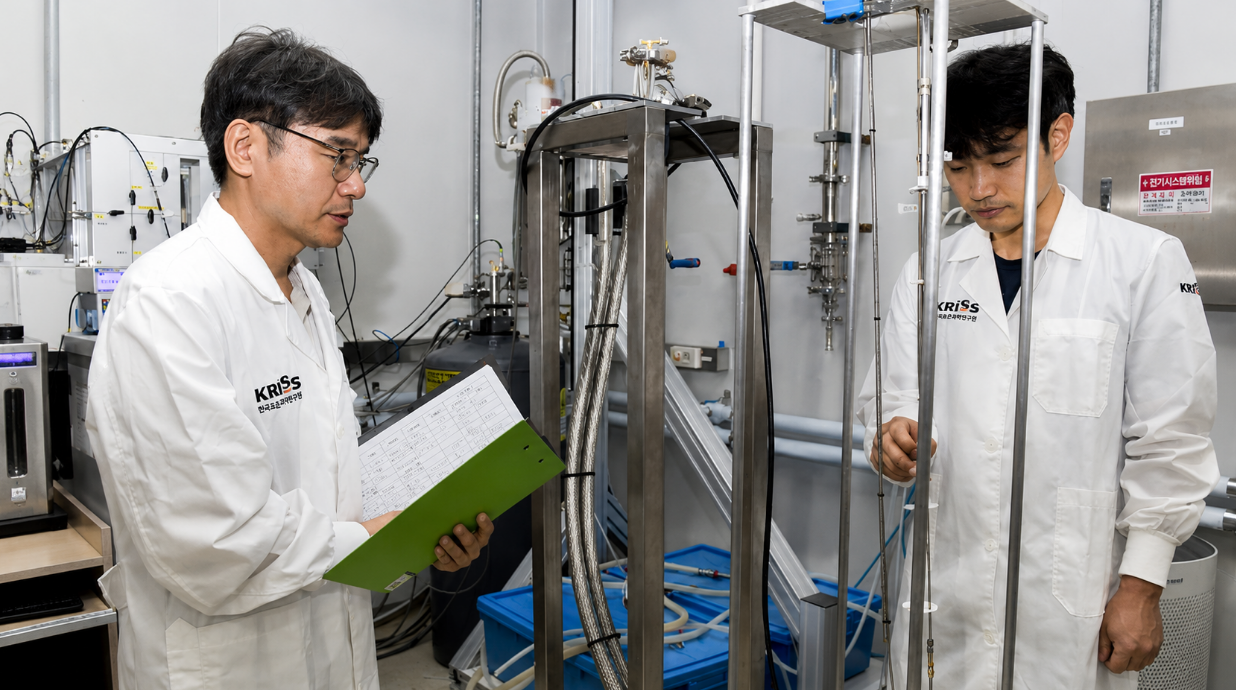 ResearchKorean Researchers Identifies Cause of ‘Beat’ Signal in Topological Insulator Nanowires13 小时前 · 3 min read
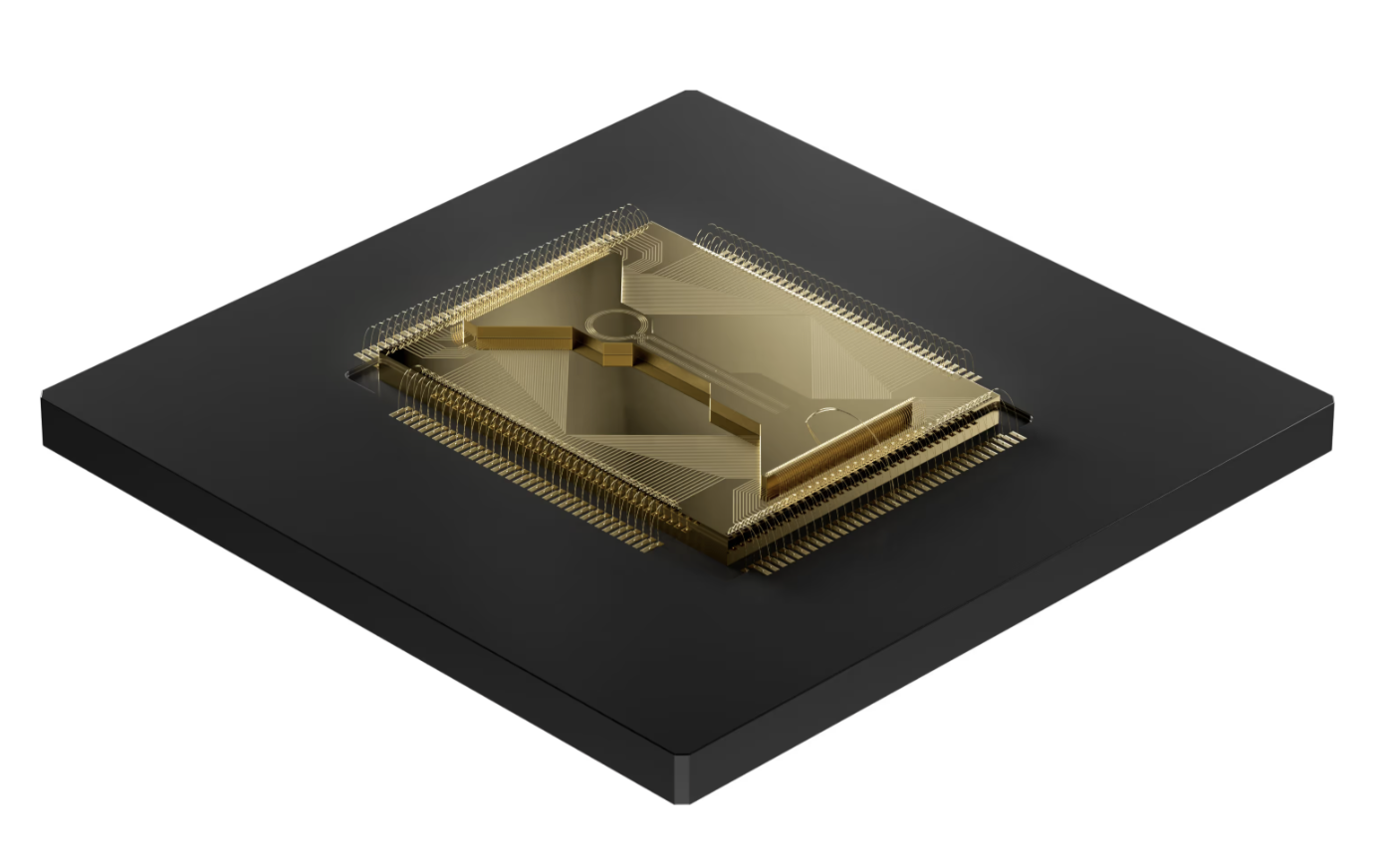 QuantumThe Conversation: The Global Race to Make a Practical Quantum Computer Just Took a Big Leap Forward19 小时前 · 4 min read
 QuantumMeurice Receives DOE Quantum Technology Outposts Award for Quantum Computing Research9 小时前 · 1 min read
Sponsored
Ad
NewsLayerLearn more
NewsLayer Premium
Unlock deeper intelligence.
Ad-free reading, exclusive research, and real-time onchain insights.
Go Premium