
Ecologists call it the “landscape of fear.”
Crypto’s Landscape of Fear
John Laundré popularized the idea in the early 2000s. The basic premise is that animals have two maps in their heads.
Brownstone Research
Publisher
Nov 13, 2026 at 5:48 PM UTC · 5 分钟阅读
Key Signal
3.48% Junk-Treasury spread level
Last Updated
2 天前
翻译中…
John Laundré popularized the idea in the early 2000s. The basic premise is that animals have two maps in their heads.
The first map is the landscape itself: the hills, meadows, forests, rivers, etc. It’s a resource map.
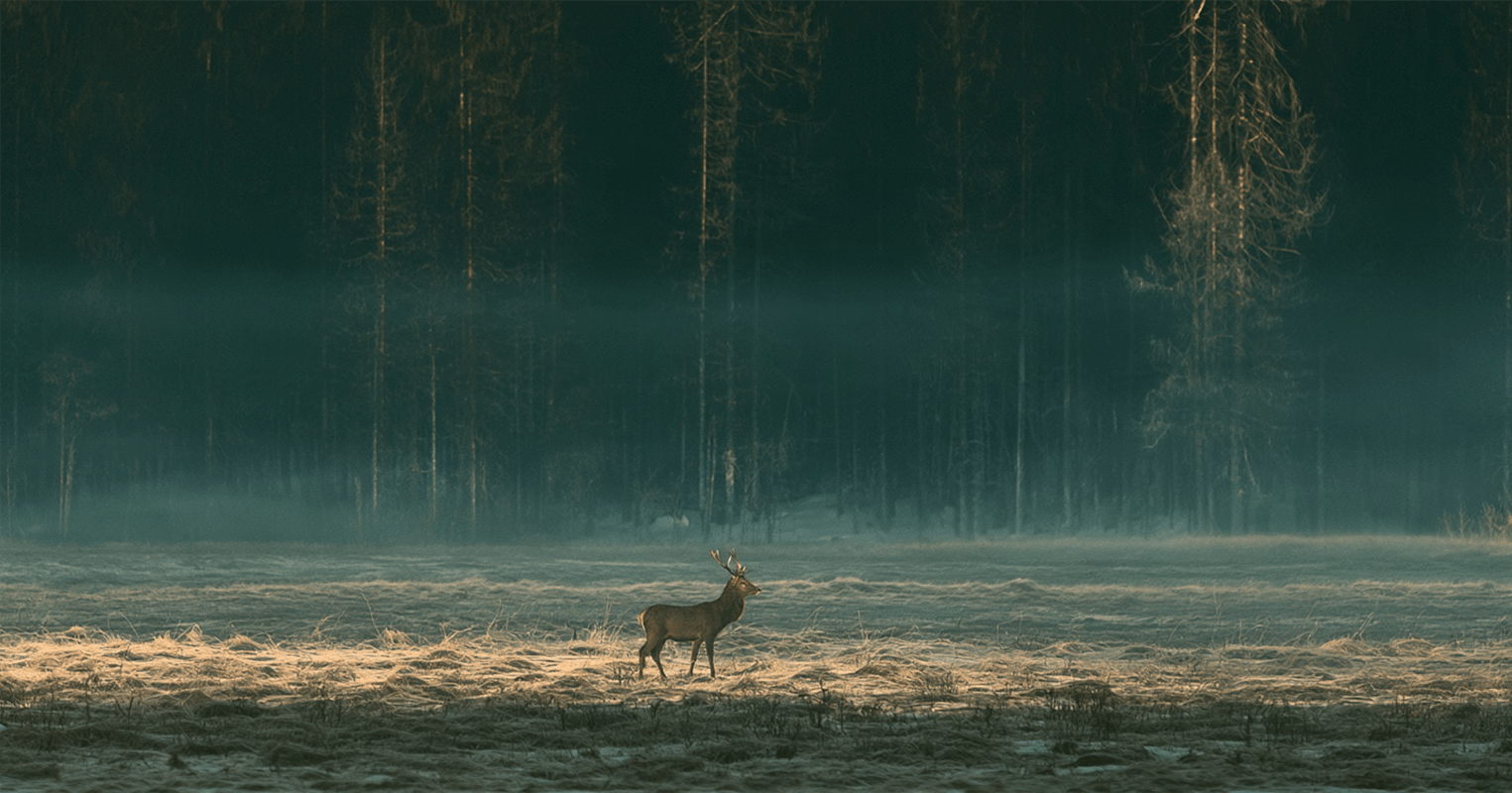
The second map is based on risk. The animal develops a mental model for how dangerous an area is likely to be. For a deer, an open meadow may offer ample grazing, but it also exposes the animal to predators.
These competing maps of resources and the danger of acquiring them determine the animal’s behavior. A deer might enter that open meadow, but it will do so cautiously, stay vigilant, and not linger.
The best-known example of the landscape of fear unfolded in Yellowstone National Park.
The government’s eradication program killed the park’s last wolf pack in 1926. With no wolves, the park became a Disney film. Elk and bison roamed without concern.
During this time, researchers observed that elk spent only about 11.5% to 20.5% of their time watching for danger while grazing.
Then the wolves came back…
In 1995, 14 gray wolves from Canada were reintroduced to Yellowstone. Another 17 followed in 1996. The next year, 10 more wolves came from Montana.
Article Intelligence
Sponsored
Ad
NewsLayerLearn more
NewsLayer Premium
Unlock deeper intelligence.
Ad-free reading, exclusive research, and real-time onchain insights.
Go Premium