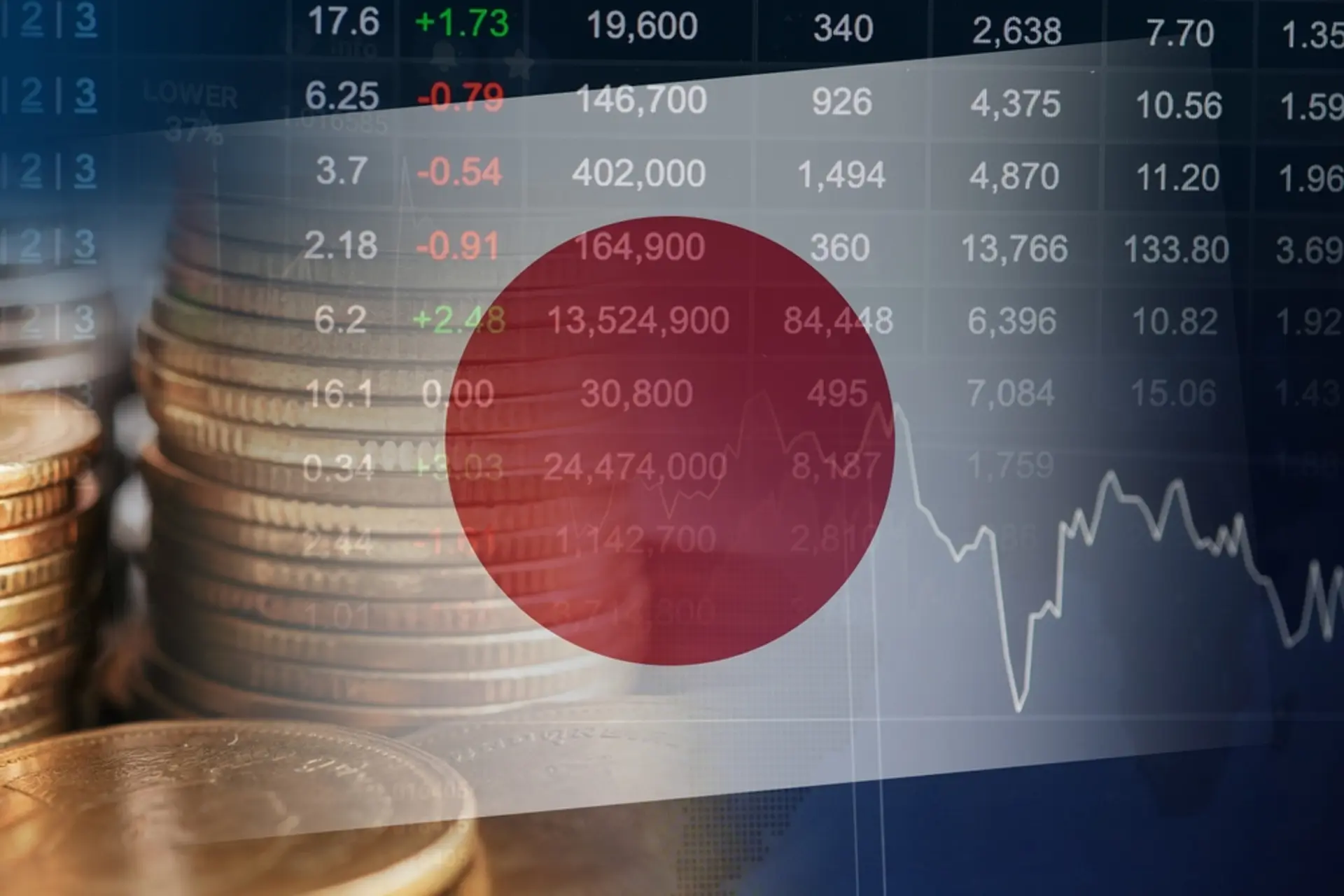
Bloomberg identified the sharp rise in bond yields as the main driver of the selloff. Japan's 10-year government bond yield climbed the previous day to its highest level since 1996 as expectations grew that the Bank of Japan could raise interest rates again as soon as next month. The yield on the US 10-year Treasury also rose to near its highest level since early 2025.
Investors are increasingly worried that higher rates will lift funding costs for large technology companies that have driven the expansion of AI spending. That could in turn curb large-scale investment in AI infrastructure, including data centers and semiconductors. Semiconductor and AI-related shares, which had climbed on expectations for massive AI capital spending, are proving especially sensitive to higher yields.
"Higher interest rates increase borrowing costs for hyperscalers," said Kazunori Tatebe, chief strategist at Daiwa Asset Management. That is raising questions about the outlook for future capital spending and could also affect infrastructure companies that have benefited from the AI investment boom.
The concern is not confined to Japan. In the US market the previous day, semiconductor shares fell broadly as rising Treasury yields weighed on sentiment, dragging the Philadelphia Semiconductor Index down 5%. South Korea's Kospi also dropped as much as 6.8% in morning trading on Aug. 19, with chip stocks leading the selloff.
Uncertainty stemming from the Middle East is also weighing on sentiment. International oil prices rose for a fourth straight session after the US and Iran failed to find a breakthrough to end the war. Higher crude prices could add to inflation pressure, increasing the burden on central banks to keep policy tight and adding further upward pressure on bond yields.