
MetaMask has begun removing Ethereum validators from its noncustodial staking service following a security breach of some of MetaMask’s infrastructure.
MetaMask Security Incident Triggers Ethereum Validator Exits as Lido Sets Oct. 7 Deadline
MetaMask has begun removing Ethereum validators from its noncustodial staking service following a security breach of some of MetaMask’s infrastructure.
Bitcoin Foundation
Publisher
Oct 1, 2026 at 8:51 AM UTC · 2 分钟阅读

Key Signal
Sept. 30 Breach disclosure date
Entities
bitcoin, ethereum
Last Updated
9 天前
翻译中…
The company disclosed the problem on Sept. 30 and reported that it was working with external security experts to address the issue. The company noted that it had not found any evidence of immediate risks to MetaMask wallets.
The company has not released information about how the hack was carried out, which infrastructure was attacked, or how many validators and ETH▲$2,518.27 were targeted.
It has not confirmed whether users’ or validators’ signing keys or other information were compromised. MetaMask officials said the withdrawals were a precautionary measure and noted that their staking business does not hold users’ withdrawal keys.
That separation is key to the noncustodial nature of the service. MetaMask has infrastructure and other resources to act as a validator, but users maintain control over the withdrawal keys for their staked ETH.
As a consequence, the infrastructure incident does not prove that client funds or withdrawal keys were lost. There have been no public reports of losses from slashing or withdrawals.
Lido shared more information about the incident, stating that MetaMask Staking began unstaking its validators participating in the Lido protocol following a breach of the validators’ infrastructure.
Market Context
Ethereum
ETH
$2,480
+0.23% (24H)
Market Cap
$303.2B
24H Volume
$7.1B
24H High
$2,518
Article Intelligence
Related Coverage
 CryptoThailand SEC Approves Local Bitcoin and Ethereum ETFs, Effective October 163 小时前 · 2 min read
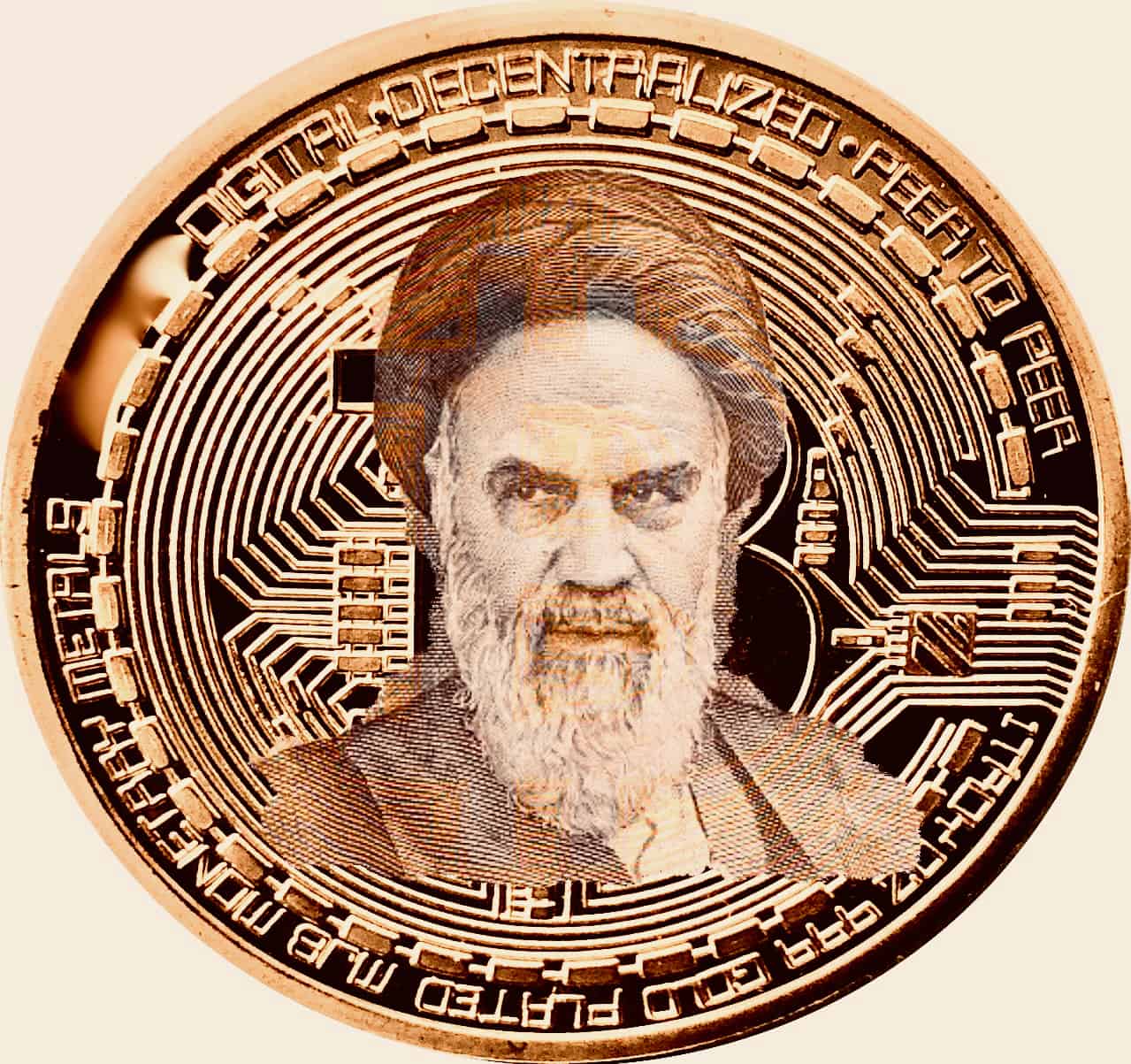 CryptoBitcoin and Ethereum Slide Along with Solana, Binance Coin, Cardano as Iran Tensions Weigh on Markets Ahead of 20271 小时前 · 3 min read
 CryptoThailand Opens the Door to Local Bitcoin and Ethereum ETFs: BTCPressWire on Crypto Investment Expanding Across Asia2 小时前 · 1 min read
Sponsored
Ad
NewsLayerLearn more
NewsLayer Premium
Unlock deeper intelligence.
Ad-free reading, exclusive research, and real-time onchain insights.
Go Premium