
Insider Brief
OpenAI Says AI Agents May Make Great Quantum Lab Assistants
Insider Brief Artificial intelligence agents can independently run many routine quantum-computing experiments, potentially reducing days of hands-on laboratory work while leaving scientists responsible for difficult measurements and…
Matt Swayne
Publisher The Quantum Insider
Sep 9, 2026 at 8:20 AM UTC · Updated 14 小时前 · 6 分钟阅读
Market Impact
SOL-1.63%$101.68
Last Updated
14 小时前
翻译中…
- OpenAI said GPT-5.6 Sol, working through Codex, autonomously completed routine measurements on an MIT six-qubit superconducting chip, reducing the need for constant researcher supervision.
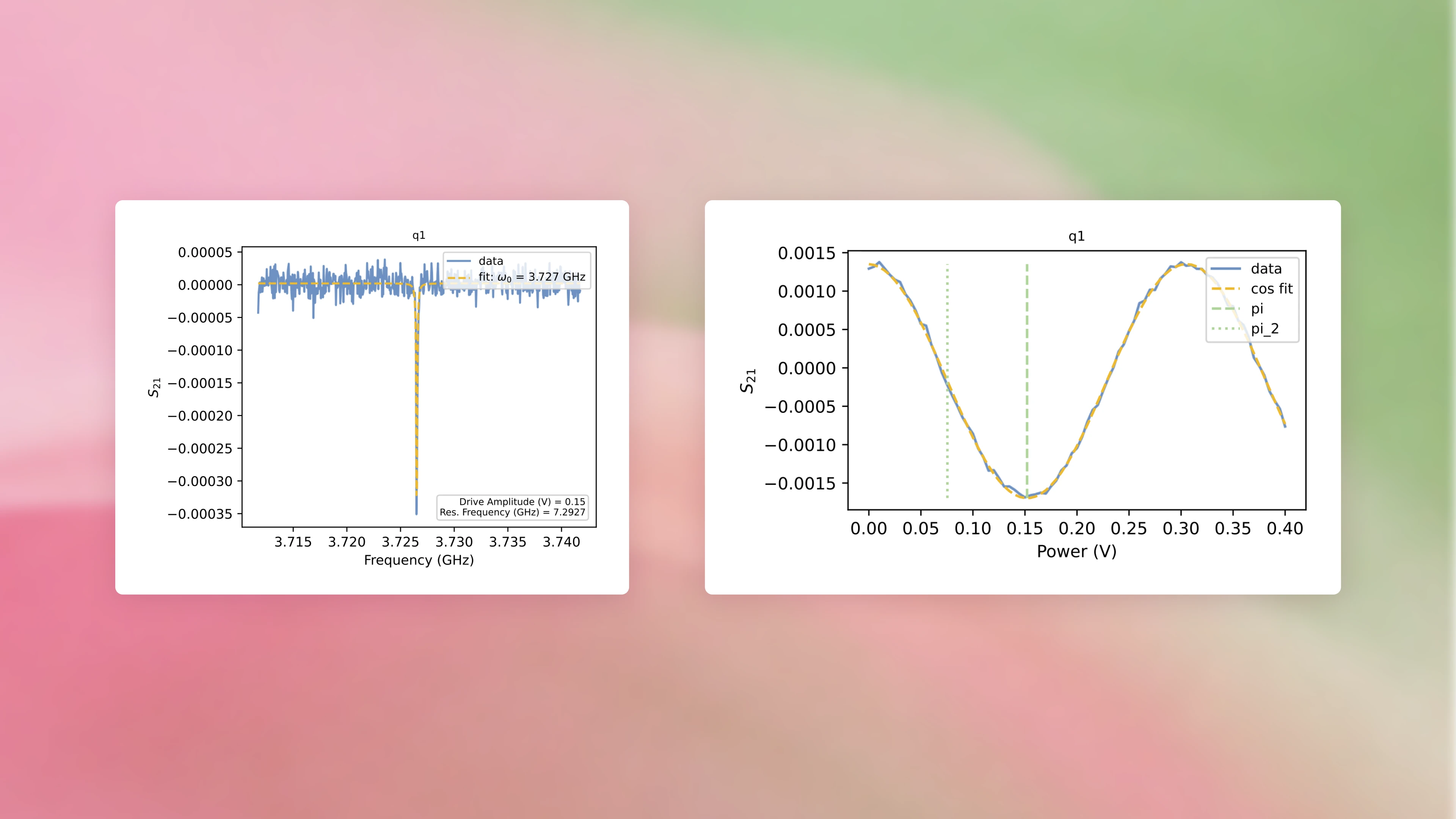
- The AI agent selected experimental settings, operated laboratory hardware, analyzed data and calibrated qubit frequencies, control pulses and information-retention times.
- The agent performed well with clear signals but sometimes required expert guidance when results were weak, noisy or physically ambiguous.
- Image: A set of calibration measurements for one qubit, completed autonomously by GPT‑5.6 Sol. (EQuS group)
Artificial intelligence agents can independently run many routine quantum-computing experiments, potentially reducing days of hands-on laboratory work while leaving scientists responsible for difficult measurements and unexpected results, according to an OpenAI blog post.
In the post, the company described an experiment in which Beatriz Yankelevich, a graduate student in the Massachusetts Institute of Technology’s (MIT) Engineering Quantum Systems Group, used GPT-5.6 Sol through Codex to characterize a six-qubit superconducting chip. The AI system selected measurement settings, operated laboratory hardware, analyzed data and used the results to determine what to do next.
Market Context
Article Intelligence
Topics
Related Coverage
 Artificial IntelligenceQuantum, Crypto and AI Are Repricing the Enterprise Cybersecurity Budget14 分钟前 · 4 min read
 QuantumCodex, Powered By GPT-5.6 Sol, Coordinates Superconducting Qubit Tests3 小时前 · 4 min read
 Artificial IntelligenceApple Unveils Redesigned Siri AI and A20 Pro Chip as CEO John Ternus Makes Debut6 小时前 · 3 min read
Sponsored
Ad
NewsLayerLearn more
NewsLayer Premium
Unlock deeper intelligence.
Ad-free reading, exclusive research, and real-time onchain insights.
Go Premium