

The US Securities and Exchange Commission (SEC) has proposed new rules called “Regulation Crypto Assets.” The proposal aims to create a “tailored offering regime for certain investment contracts involving crypto assets”. It follows the SEC’s March 2026 interpretation, which had already clarified how federal securities laws apply to crypto assets and related transactions. Together, both efforts try to solve one core problem. Existing SEC disclosure rules were built for “traditional securities (e.g., stocks and bonds)” and do not suit crypto offerings.
SEC crypto asset rules set disclosure, safe harbor framework
The US Securities and Exchange Commission (SEC) has proposed new rules called “Regulation Crypto Assets.” The proposal aims to create a “tailored offering regime for certain investment contracts involving crypto assets”. It follows the…
MediaNama
Publisher
Aug 19, 2026 at 11:59 AM UTC · Updated 2 个月前 · 5 分钟阅读

Key Signal
60 days Public comment period
Last Updated
2 个月前
翻译中…
As a result, issuers often end up disclosing information that is irrelevant to token buyers, while missing details that actually matter, such as network security, token supply, and governance. Comments on the proposal remain open for 60 days after it is published in the Federal Register.
What counts as a “covered investment contract”: The rules do not apply to all crypto offerings. They apply only to a narrower category the SEC calls a covered investment contract. This is a contract, transaction, or scheme that qualifies as an investment contract, where three conditions must all be met: a crypto asset is subject to the contract, that crypto asset is not itself a security, and no other asset, security or otherwise, is bundled into the same deal. So, an offering involving equity alongside a token, for instance, would fall outside this framework entirely. Issuers in that situation would instead have to use other existing routes, such as a standard public offering or private placement.
Article Intelligence
Regulation Signal
in progressUpdated 2 个月前
SEC Crypto Asset Market Structure RulemakingRelated Coverage
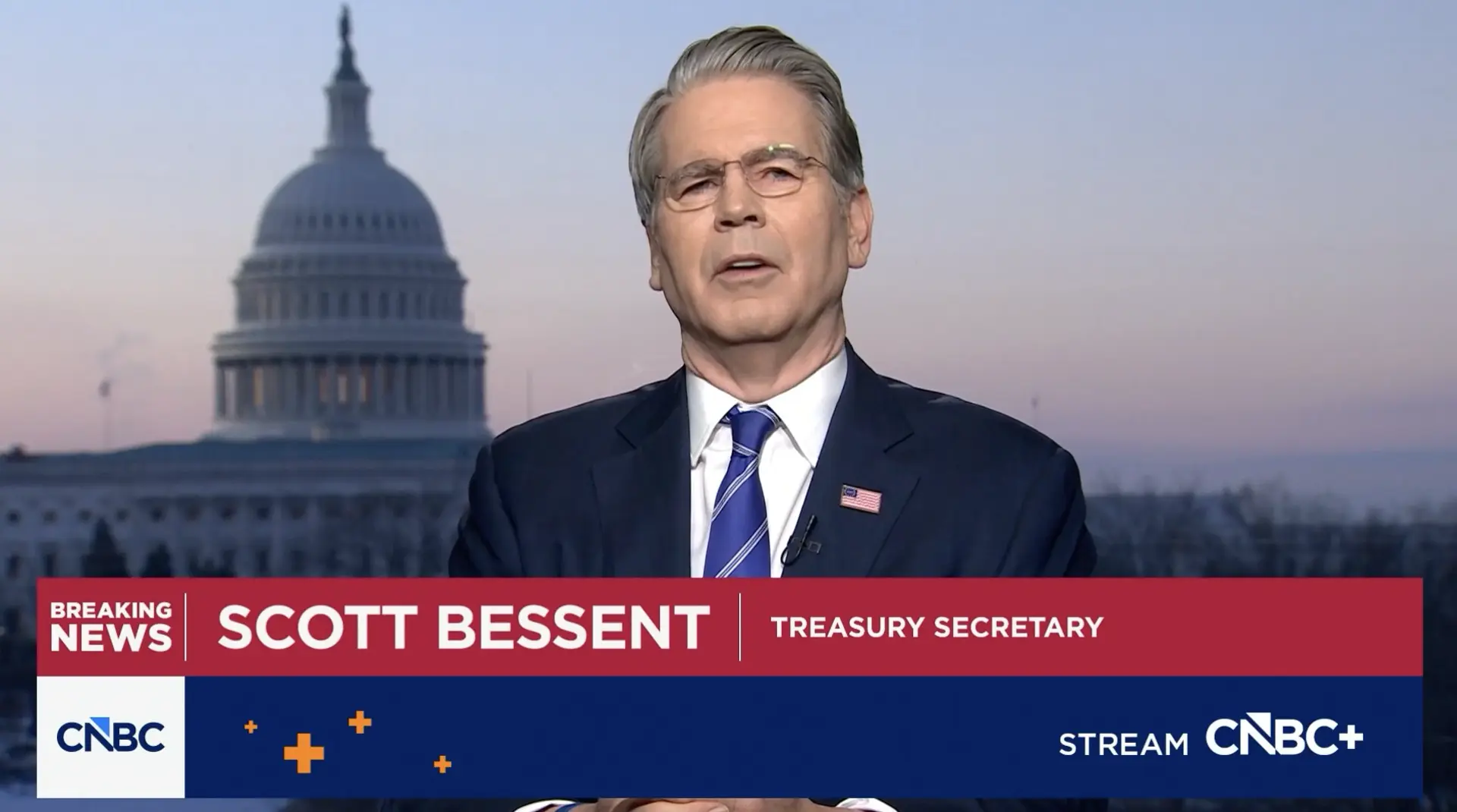 CryptoBessent Says US May Seize $1 Billion in Iran-Linked Cryptocurrency This Week1 小时前 · 2 min read
 CryptoRealFi Could Change How Crypto Reaches the Unbanked: 5 Best Coins Worth Having Before Adoption Accelerates2 小时前 · 3 min read
 PolicyUS government’s crypto holdings drop $16 billion from their peak2 小时前 · 2 min read
Sponsored
Ad
NewsLayerLearn more
NewsLayer Premium
Unlock deeper intelligence.
Ad-free reading, exclusive research, and real-time onchain insights.
Go Premium