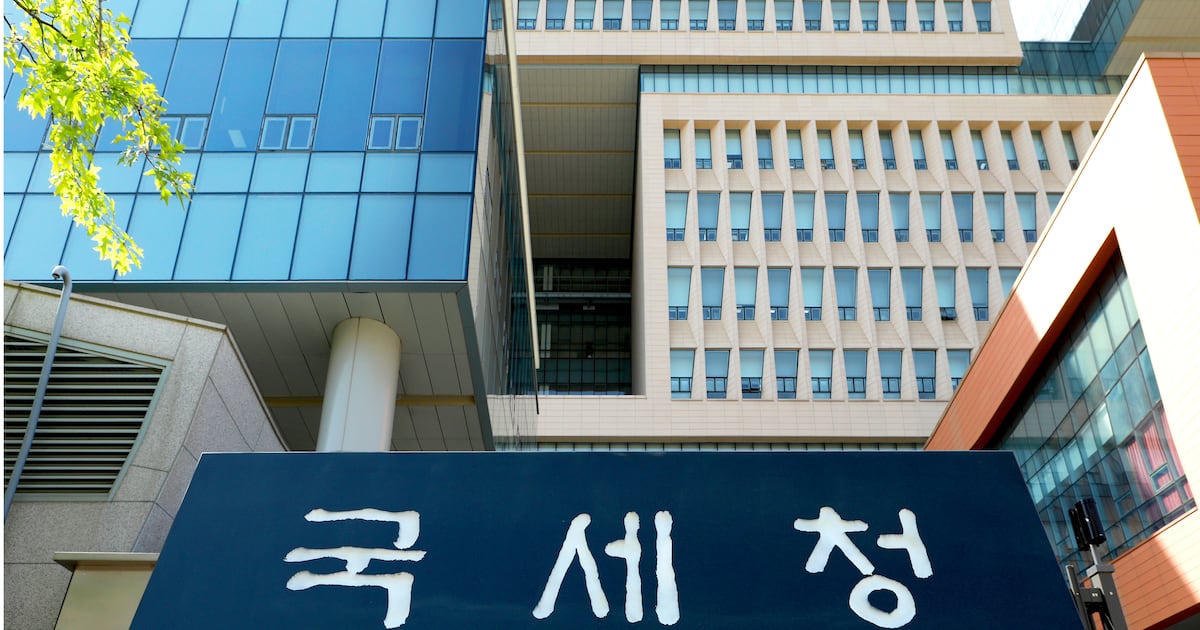
Singapore published the Income Tax (International Tax Compliance Agreements) (Crypto-Asset Reporting Framework) Regulations 2026 on 11 August 2026. Regulation No. S 551/2026 implements the OECD Crypto-Asset Reporting Framework (CARF) for the automatic exchange of tax information relating to crypto-asset transactions.
Singapore CARF reporting rules take effect from 2027
Singapore published the Income Tax (International Tax Compliance Agreements) (Crypto-Asset Reporting Framework) Regulations 2026 on 11 August 2026. Regulation No. S 551/2026 implements the OECD Crypto-Asset Reporting Framework (CARF)…
Global VAT Compliance
Publisher
Aug 26, 2026 at 6:03 AM UTC · 1 分钟阅读

翻译中…
Under the regulations, reporting crypto-asset service providers (RCASPs) must register with the Comptroller and comply with the applicable CARF reporting and due diligence requirements.
The requirements include:
- identifying reportable crypto-asset users and relevant controlling persons;
- obtaining self-certifications and determining users’ jurisdictions of tax residence;
- reporting information annually on reportable users and crypto-asset transactions, including relevant taxpayer identification information;
- retaining records and supporting documentation for at least five years; and
- applying exemptions where substantially similar reporting and due diligence requirements have been fulfilled in a partner jurisdiction.
The regulations take effect on 1 January 2027.
Source: File
Published on August 26, 2026
Sourced by
Originally reported by Global VAT Compliance
NewsLayer coverage based on externally reported material.
The Daily Brief
The onchain economy, before your day starts.
Curated markets, onchain insights, and key headlines — delivered every weekday morning.
Weekdays · Free · ~5 minute read
0
Applause
Was this article helpful?
Article Intelligence
Related Coverage
 PolicyKalshi raised $1.12 billion via private equity offering since April, latest SEC filing shows3 小时前 · 1 min read
 CryptoThailand SEC Drafts Rules for Bitcoin & Ether ETFs, Custodians4 小时前 · 5 min read
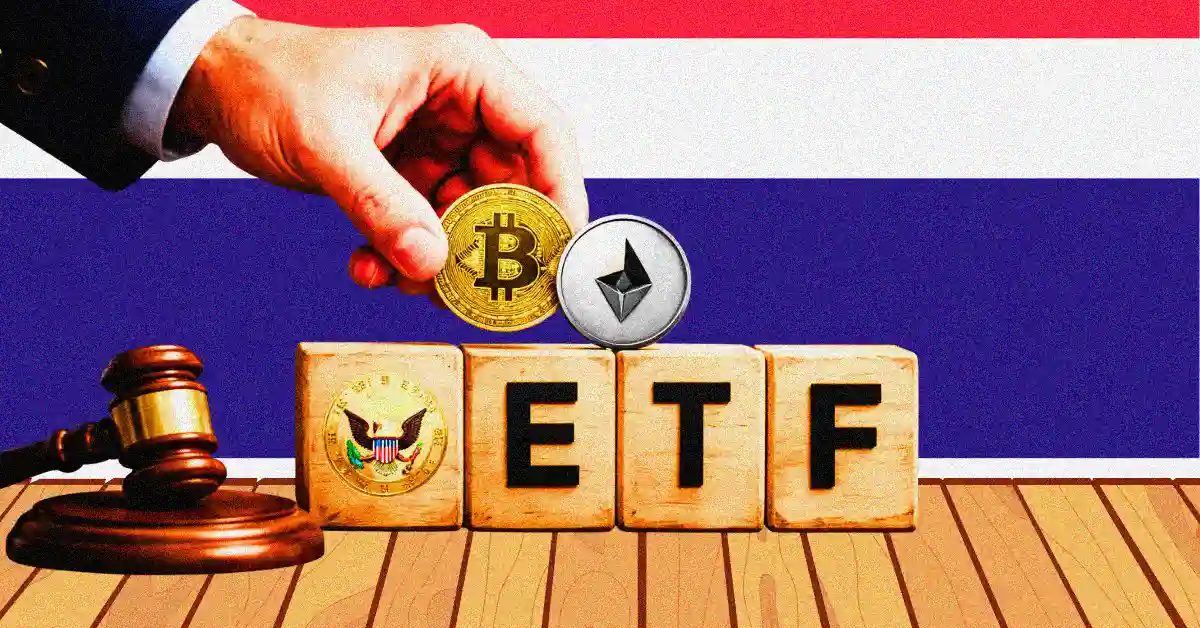 CryptoThailand SEC Proposes Bitcoin, ETH ETF Rules7 小时前 · 1 min read
Sponsored
Ad
NewsLayerLearn more
NewsLayer Premium
Unlock deeper intelligence.
Ad-free reading, exclusive research, and real-time onchain insights.
Go Premium