
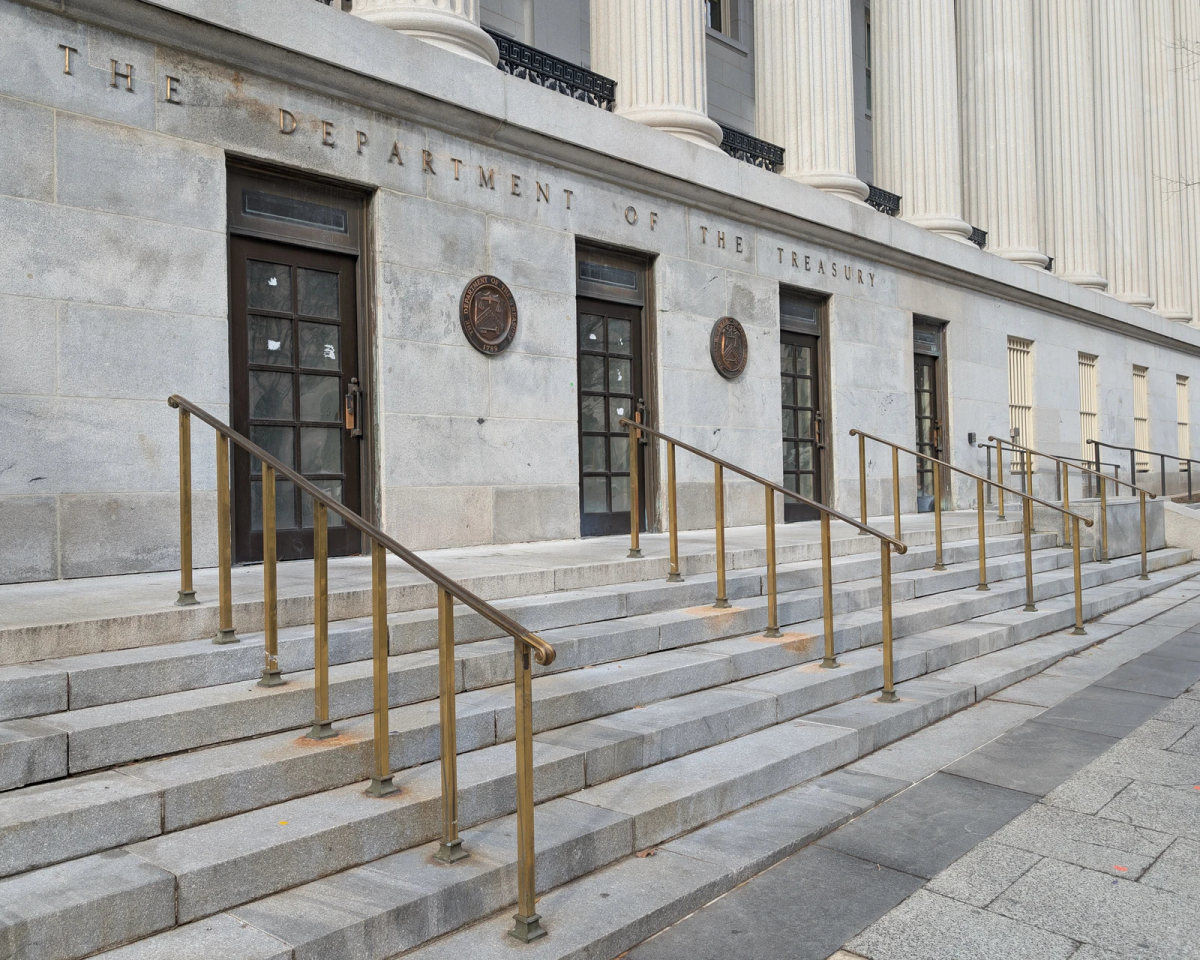
The U.S. Treasury Department is walking away from two long-standing regulatory proposals that would have imposed new reporting and record-keeping obligations on financial institutions handling cryptocurrency transactions tied to mixing services and self-hosted wallets.
US Treasury Scraps Crypto Mixer and Self-Hosted Wallet Reporting Rules
The US Treasury has reportedly scrapped proposed reporting rules involving crypto mixers and self-hosted wallets. The move affects planned compliance requirements for parts of the cryptocurrency ecosystem.
finance.biggo.com
Publisher
Oct 5, 2026 at 10:55 PM UTC · Updated 13 小时前 · 4 分钟阅读
Key Signal
2023 Mixer proposal withdrawal year
Last Updated
13 小时前
要点速览
- The reported policy change concerns crypto mixer reporting rules.
- Self-hosted wallet reporting requirements were also reportedly scrapped.
- The excerpt does not provide details on the timing, rationale, or replacement policy.
The Financial Crimes Enforcement Network, the Treasury bureau charged with combating money laundering, said on October 5 that it is withdrawing a 2023 proposal targeting international crypto mixing as well as a 2020 measure aimed at unhosted wallets. The decision, set to be formally published in the Federal Register on October 6, leaves existing compliance duties for banks, exchanges and money services businesses unchanged because neither rule was ever finalized.
The 2023 proposal marked an unusually expansive use of FinCEN's authority. Invoking Section 311 of the USA PATRIOT Act, the agency sought to designate international convertible virtual currency mixing as a class of transactions of "primary money laundering concern." It was the first time that authority had been applied to an entire category of activity rather than a specific institution or jurisdiction.
Under the proposed special measure, covered financial institutions would have been required to report transactions they knew or suspected involved mixing. The information sought included transfer amounts, cryptocurrency types, the mixer used, customer wallet addresses, transaction hashes, transaction dates, IP addresses and descriptions of the transaction. Institutions would also have had to retain customer names, dates of birth, addresses and email addresses.
Article Intelligence
Key Entities
Tornado Cash
Regulation Signal
enactedUpdated 2 个月前
US Stablecoin Legislation — GENIUS Act FrameworkRelated Coverage
 CryptoMorning Minute: The CFTC Reveals Plan to Regulate Crypto Exchanges1 小时前 · 5 min read
 CryptoCFTC Chairman Michael Selig on new proposed crypto rules: We're creating a federal option1 小时前 · 1 min read
 CryptoCFTC Wants Leveraged Crypto Trades Under Its Watch, Spot Stays Out Of Reach34 分钟前 · 2 min read
Sponsored
Ad
NewsLayerLearn more
NewsLayer Premium
Unlock deeper intelligence.
Ad-free reading, exclusive research, and real-time onchain insights.
Go Premium