



What Banks See In Stellar That Retail Crypto Still Misses
Most crypto conversations orbit Bitcoin (BTC), Ethereum (ETH), and whatever meme coin is surging this week. Stellar (XLM) rarely makes the headline.
Yellow.com
Publisher
Aug 12, 2026 at 1:59 AM UTC · Updated 10 天前 · 9 分钟阅读
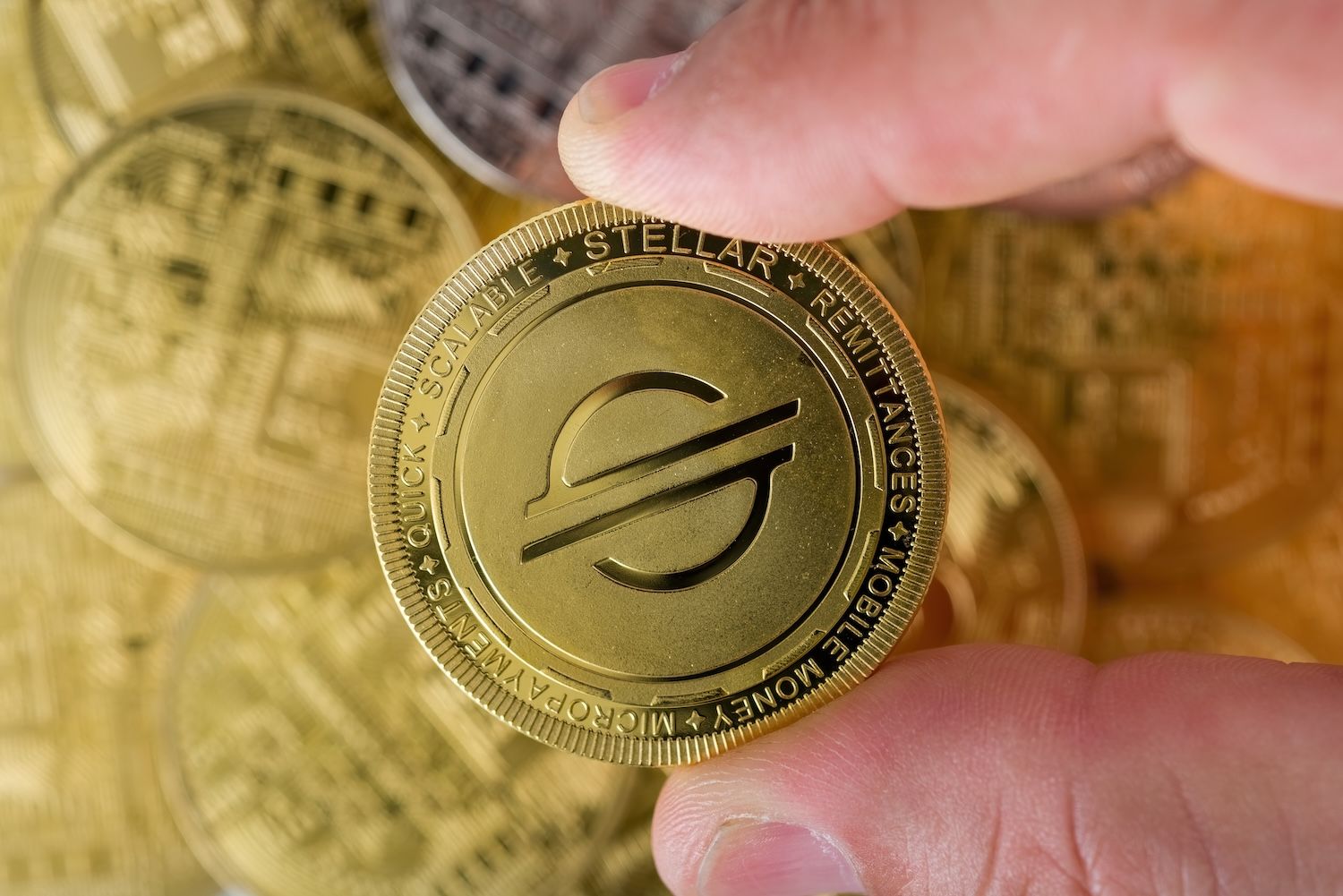
Most crypto conversations orbit Bitcoin (BTC), Ethereum (ETH), and whatever meme coin is surging this week. Stellar (XLM) rarely makes the headline.
Yet it quietly settles real-money transfers between 180 countries every day, at a fraction of a cent per transaction.
That gap between attention and adoption is exactly what makes Stellar worth understanding right now, as XLM jumps over 10% in 24 hours and edges back into the top-22 assets by market cap.
TL;DR
- Stellar is an open-source payment network that settles cross-border transfers in 3 to 5 seconds for roughly $0.00001 per transaction, using a consensus model that needs no miners.
- The network earns its real-world traction from a system of licensed "anchors" that bridge fiat currencies onto the blockchain, making it useful to banks, remittance firms, and central banks exploring digital currencies.
- Understanding how Stellar works helps you see why institutional payment infrastructure often chooses it over louder Layer 1 competitors, and what the network's limits actually are.
What Stellar Actually Is And Why It Was Built
Stellar was founded in 2014 by Jed McCaleb, who had also co-founded Ripple, and Joyce Kim. The nonprofit Stellar Development Foundation (SDF) manages the open-source protocol, keeping a clear separation between the foundation and the commercial product layer built on top of it.
Market Context
Bitcoin
BTC
$77,116
+5.90% (24H)
Market Cap
$1.55T
24H Volume
$61.0B
24H High
$79,511
Article Intelligence
Topics
Related Coverage
 CryptoSEC drops 'Reg Crypto' rulemaking: do we still need Clarity?28 分钟前 · 1 min read
 CryptoBitcoin Climbs Higher as $1.2 Billion in Shorts Liquidated1 小时前 · 1 min read
 PolicyMorning Minute: CFTC Will Give Crypto Clarity If Congress Won’t2 小时前 · 4 min read
Sponsored
Ad
NewsLayer Premium
Unlock deeper intelligence.
Ad-free reading, exclusive research, and real-time onchain insights.
Go Premium