
Image: SQMS Center, Fermilab · news.fnal.gov
Fermilab-led Study Maps Qubit Defects To Device Performance
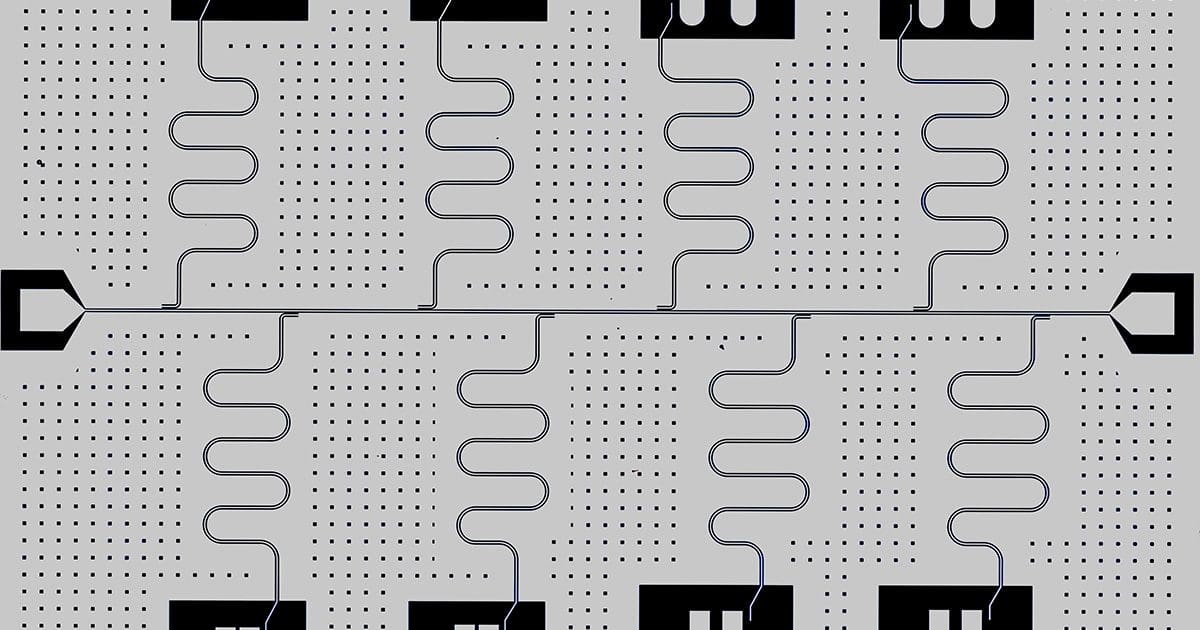
Researchers from the Fermi National Accelerator Laboratory-led SQMS Center have linked the surfaces, interfaces and geometries of qubit materials directly to variations in device performance through a study of 22 superconducting quantum…
Quantum Zeitgeist
Publisher
Oct 1, 2026 at 3:18 PM UTC · 9 dk okuma
Çevriliyor…
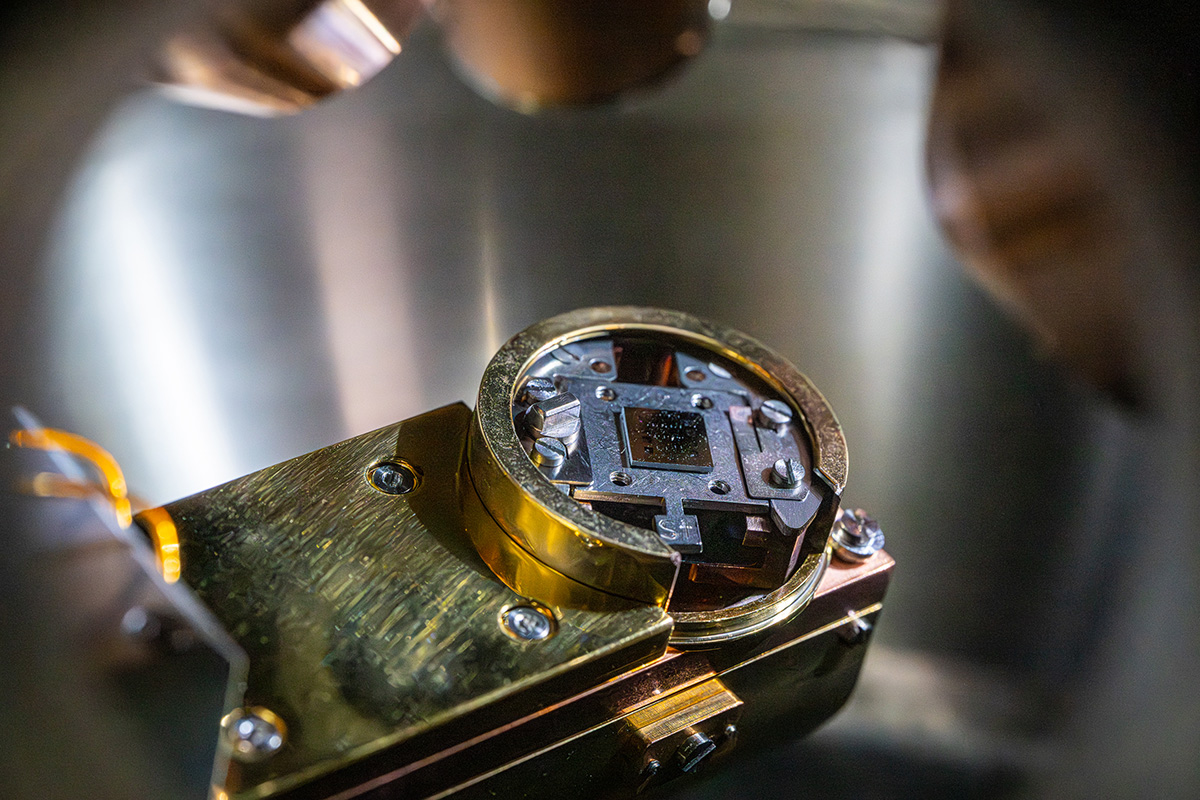
Researchers from the Fermi National Accelerator Laboratory-led SQMS Center have linked the surfaces, interfaces and geometries of qubit materials directly to variations in device performance through a study of 22 superconducting quantum devices. The unusually large collaboration, spanning six institutions and seven characterization techniques, employed a blinded methodology, analyzing materials without knowing which device performed how, to ensure unbiased results.
“Advancing quantum information science is fundamentally tied to our ability to control matter at the atomic level,” according to Bindu Nair, associate director of Basic Energy Science at the U.S. Department of Energy. This research provides a scientifically grounded guide to material defects, essential for building reliable quantum technologies.
SQMS Center Links Material Defects to Qubit Performance
Researchers pinpointed correlations between specific material characteristics and qubit performance through a uniquely unbiased approach, analyzing 22 superconducting quantum devices without prior knowledge of their individual functionalities. The team employed a non-destructive initial assessment phase, using multiple characterization methods to identify features before deploying more invasive techniques, a strategy allowing for an objective decision-making process in linking defects to performance variations. This methodology, rarely seen in qubit research, helped establish reliable connections between material flaws and device behavior.
Article Intelligence
Related Coverage
 ResearchSQMS Center uncovers material origins of variations in qubit performance through landmark study3 saat önce · 14 min read
 QuantumWISeKey Reports First Half 2026 Financial Results, Accelerates Quantum and Post-Quantum Strategy and Provides Outlook18 saat önce · 19 min read
 QuantumZinc oxide quantum dots enable faster charge detection, laying groundwork for spin qubitsbir gün önce · 1 min read
Sponsored
Ad
NewsLayerLearn more
NewsLayer Premium
Unlock deeper intelligence.
Ad-free reading, exclusive research, and real-time onchain insights.
Go Premium