

WASHINGTON — The cryptocurrency industry spent hundreds of millions of dollars on campaigns over the past two years, ending the careers of crypto skeptics and sending a strong message that “digital assets” had better be respected on Capitol Hill.
Trump’s Crypto Conflict Of Interest Killed The Industry’s Dream Bill
WASHINGTON — The cryptocurrency industry spent hundreds of millions of dollars on campaigns over the past two years, ending the careers of crypto skeptics and sending a strong message that “digital assets” had better be respected on…
HuffPost
Publisher
Sep 16, 2026 at 8:14 PM UTC · 3 分で読める
翻訳中…
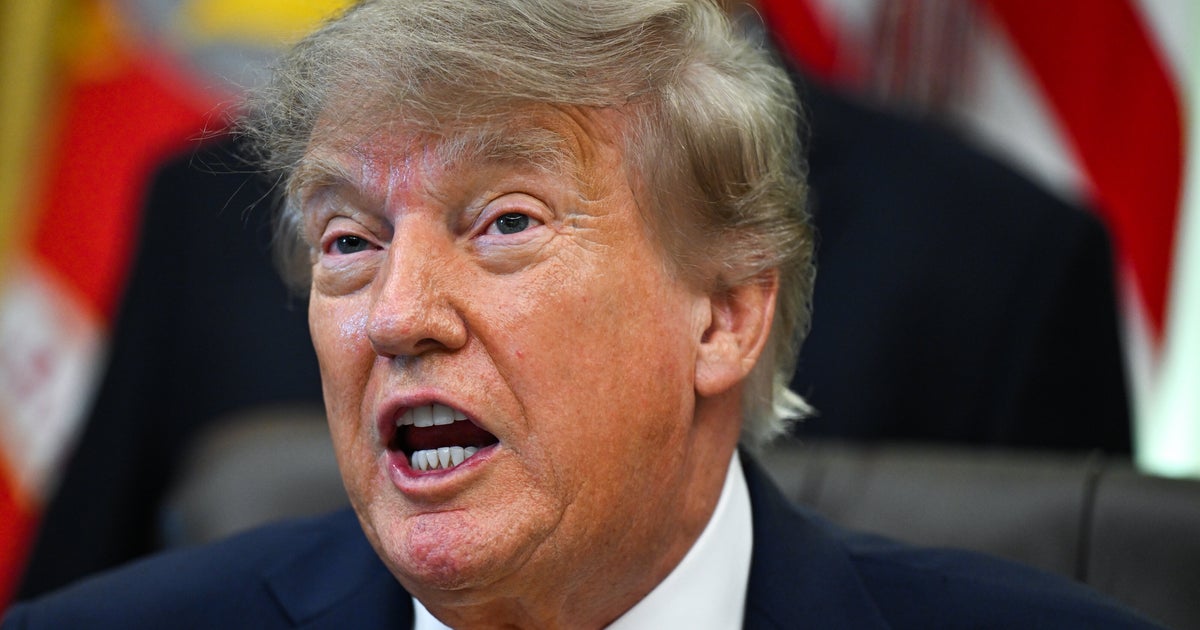
And with President Donald Trump in the White House, crypto had a chance to capitalize on its investment. But the president’s embrace of digital assets — and the billion dollars he made in crypto last year — wound up killing the industry’s highest priority: a bill that would have enshrined its place in the financial system.
In other words, Trump’s otherworldly levels of corruption made it impossible for standard methods of Washington influence-peddling to work their magic.
“Donald Trump has enriched himself at such a grotesque level, it’s hard to see the sun around that,” Sen. Elizabeth Warren (D-Mass.) told HuffPost.
A dozen Democrats had provided significant input for the Digital Asset Market Clarity Act, and had supported a narrower bill benefiting the crypto industry last year, but they all voted against the Clarity Act on Tuesday, seemingly killing its prospects for good.
The bill would give the crypto industry a favorable regulatory and legal footing after industry players faced dozens of lawsuits during the Biden administration for failing to comply with corporate transparency laws. And Republicans included a provision on presidential ethics in order to win over Democrats, but the proposal still left ethics enforcement up to the U.S. attorney general, meaning the Trump administration would be allowed to police itself.
Article Intelligence
Topics
Related Coverage
 PolicyBeyer Opposes Crypto Tax Bill, Citing Trump Ties to Industry1時間前 · 2 min read
 CryptoUS Senate rejects crypto bill, lowering Bitcoin's chances of hitting $200K by 202637分前 · 1 min read
 PolicyCrypto Tax Bill 2026: What H.R. 10357 Means for You1時間前 · 7 min read
Sponsored
Ad
NewsLayerLearn more
NewsLayer Premium
Unlock deeper intelligence.
Ad-free reading, exclusive research, and real-time onchain insights.
Go Premium