
La proposition de changement historique de la politique américaine en matière d'actifs numériques donnerait aux émetteurs de crypto deux exemptions d'enregistrement et une sphère de sécurité vis-à-vis de la classification en tant que valeurs mobilières.
Atkins : la SEC franchit « l'étape la plus historique à ce jour » en matière de régulation crypto
Atkins : la SEC franchit « l'étape la plus historique à ce jour » en matière de régulation crypto InvestmentNews
InvestmentNews
Publisher
Aug 19, 2026 at 10:32 AM UTC · 3 min de lecture

Key Signal
$5M Startup offering cap
Last Updated
il y a 2 mois
La Securities and Exchange Commission a dévoilé sa tentative la plus ambitieuse à ce jour pour mettre de l'ordre dans les marchés de capitaux crypto.
Elle a proposé un nouveau cadre réglementaire qui donnerait aux émetteurs d'actifs numériques des voies claires pour lever des fonds tout en restant dans les limites de la législation fédérale sur les valeurs mobilières.
Le président de la SEC, Paul S. Atkins, a décrit la proposition comme un changement historique. "Regulation Crypto Assets vise à fournir aux entrepreneurs d'actifs crypto et aux participants au marché des voies claires pour lever des capitaux en vertu des lois fédérales sur les valeurs mobilières", a déclaré Atkins mardi. "Pendant trop longtemps, les émetteurs et les investisseurs ont dû naviguer face à une SEC activiste utilisée comme une arme contre cette classe d'actifs", ajoutant que le résultat a été l'incertitude et l'innovation partant à l'étranger.
La proposition arrive environ cinq mois après que la Commission a publié son guide d'interprétation de mars 2026 une analyse qui a tracé une ligne plus claire pour les conseillers sur le moment où un actif crypto peut ou non constituer une valeur mobilière, s'appuyant directement sur ce cadre.
Article Intelligence
Regulation Signal
in progressUpdated il y a 2 mois
SEC Crypto Asset Market Structure RulemakingRelated Coverage
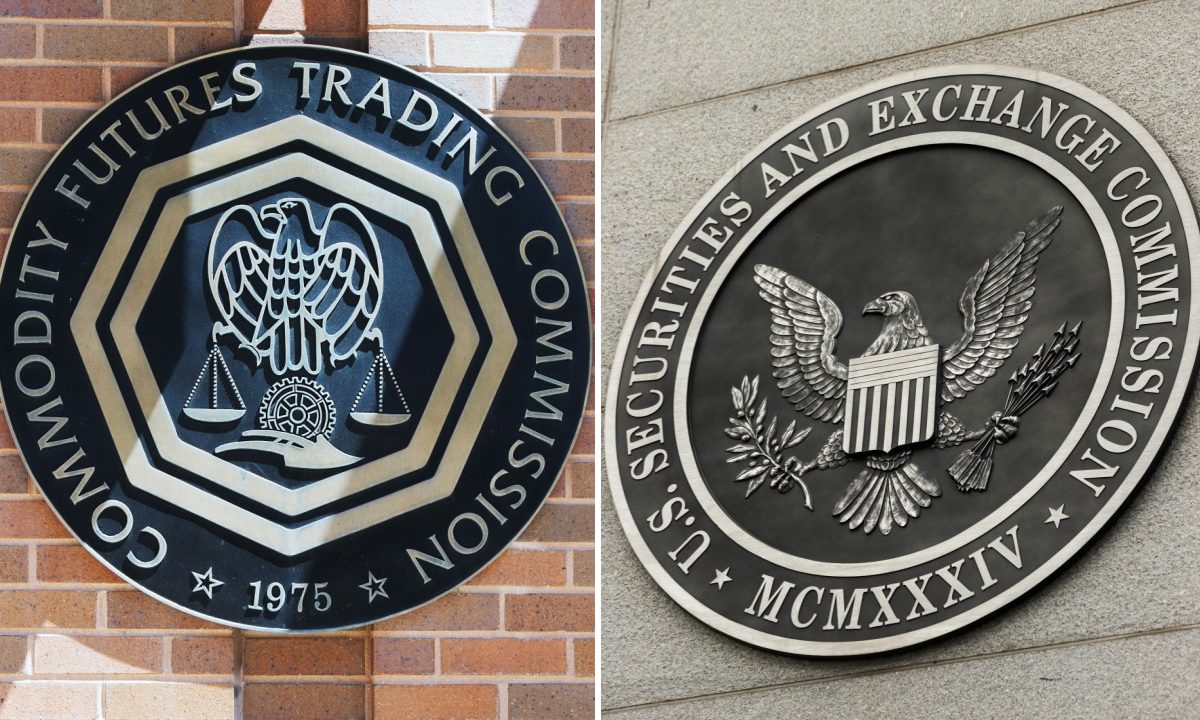 PolicyClarity Act Sponsor Says SEC, CFTC Crypto Rules Cannot Replace Legislationil y a 2 heures · 3 min read
 PolicyCFTC Seeks Input on Crypto Asset Regulatory Frameworkil y a 3 heures · 9 min read
 CryptoJPMorgan estimates $50 billion has flowed into crypto this year as momentum improves into Q4il y a une heure · 1 min read
Sponsored
Ad
NewsLayerLearn more
NewsLayer Premium
Unlock deeper intelligence.
Ad-free reading, exclusive research, and real-time onchain insights.
Go Premium