

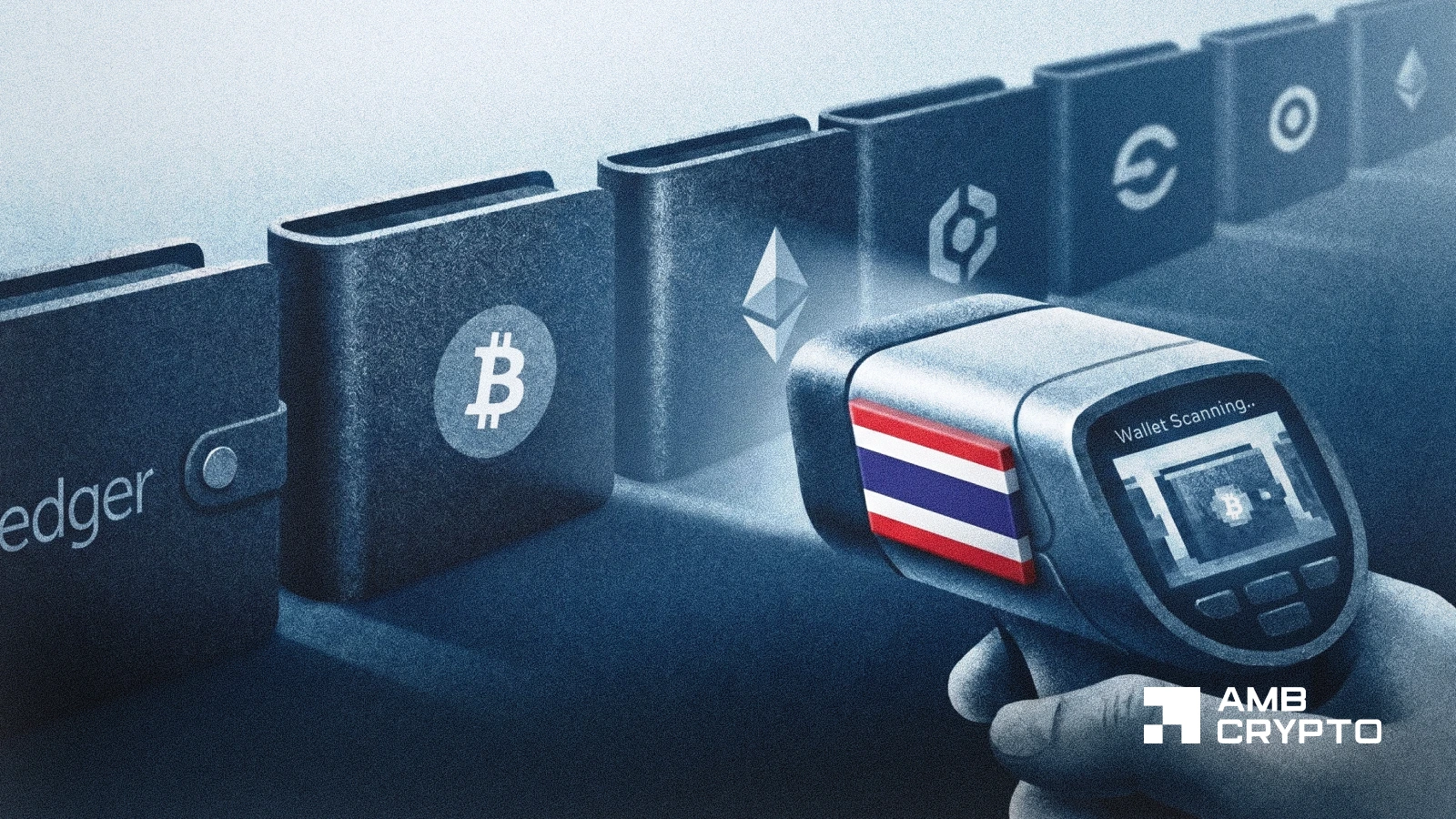
Thailand plans to tighten crypto rules for P2P crypto transfers and self-hosted wallets from 2027.
Thailand tightens crypto rules, targets P2P transfers and self-hosted wallets: Details
Thailand plans to tighten crypto rules for P2P crypto transfers and self-hosted wallets from 2027.
AMBCrypto
Publisher
Sep 4, 2026 at 4:00 AM UTC · 2 min de lecture
Traduction…
On the 2nd of September, the country’s market watchdog, Thailand’s Securities and Exchange Commission (SEC), published a new risk framework called the “Travel Rule for Digital Assets (TRDA).”
Commenting on the motive behind the new regulatory move, the SEC said,
To ensure that digital asset business operators (DA operators) have sufficient information to assess and manage money laundering risks in line with international standards.
The watchdog added that the plan will help prevent misuse of crypto platforms as channels for money laundering and related crimes.
According to the new guideline, the SEC wants licensed crypto platforms in Thailand to identify customers and their counterparties, including ownership of self-hosted wallets (self-custody).
Additionally, exchanges must submit information on the sender and beneficiary of each crypto transaction. And this data must be held for at least five years to allow authorities to quickly retrieve and examine it whenever necessary.
The regulations will take effect on the 27th of February, 2027. The regulator noted that the rest of H2 2026 is enough time for players to develop systems to ensure compliance with the latest guidelines.
Article Intelligence
Sponsored
Ad
NewsLayerLearn more
NewsLayer Premium
Unlock deeper intelligence.
Ad-free reading, exclusive research, and real-time onchain insights.
Go Premium