BIP-110をめぐる継続的な議論の中で、Michael Saylorは最近、BIP-110はBitcoin [BTC]に挑戦することを許されていたものの、広範なBitcoinコミュニティによって広く拒否されたと主張しました。
マイケル・セイラー氏がBIP-110を批判:「ビットコインを支配する者はいない、ネットワークが答えを出した」
マイケル・セイラー氏はBIP-110を批判し、個人やグループがビットコインを支配することはないと主張しました。彼は、ビットコインネットワークはこの提案に対してすでに意思を表明していると述べました。
ambcrypto.com
Publisher
Aug 11, 2026 at 12:00 AM UTC · 2 分で読める

Key Signal
99.85% Hashpower stayed on Bitcoin
Entities
bitcoin
Market Impact
BTC-0.65%$84,010
Last Updated
1ヶ月前
背景として、BIP-110の支持者たちは、フォークを作成するために異なるルールを持つ修正されたBitcoinソフトウェアを実行しましたが、Bitcoinの設計のおかげで、許可を得ることなくそれを行うことができました。
しかし、フォークが重要性を持つのは、十分な数のマイナー、ユーザー、ウォレット、取引所、カストディアン、投資家、企業によって採用された場合のみです。今回のケースでは、Saylorが主張したように、期待された支持は得られませんでした。
Bitcoinのハッシュパワーの約99.85%がBitcoinに留まりました。
この間、BIP-110のブランチは2つのブロックしか生成せず、961,632に達した後、80ブロック以上遅れました。
SaylorはBIP-110を軽蔑している
Saylorによると、支持者たちが最初の難易度調整を経験するまでに、現在のレートでさらに約2,015ブロックをマイニングする必要があり、これには約25年かかる可能性があります。この問題は、単にBIP-110によってマイニングされたブロックの数ではなく、経済的コンセンサスの問題です。
簡単に言えば、誰でもBitcoinのコードをフォークしたりコピーしたりできますが、Bitcoinエコシステムに自分たちのバージョンを本物として受け入れさせることはできません。したがって、Saylorは、BIP-110がBitcoinの分散型ガバナンスが意図した通りに機能していることを示していると主張しています。
誰もBitcoinをコントロールしていません。コンセンサスはネットワークから生まれ、ネットワークは意思を表明しました。
さて、SaylorがBIP-110を批判したのはこれが初めてではありません。7月中旬、彼はBIP-110が悪いアイデアであると信じる110の理由を指摘しました。
Saylorだけではない
Asymmetric FinancialのゼネラルパートナーであるDan Heldも、いくぶん似た意見を表明しました。彼は、BIP-110が広範なBitcoinコミュニティから十分な支持を得ることなく、かなりの開発者の時間と労力を必要としたと主張しています。
Heldは次のように付け加えました。
感情的な緊急性と道徳的パニックがコンセンサスを上回ることができると考えた清教徒的なマキシマリストによって推進されました。
さらにHeldは、一部の支持者が技術的な議論や自発的な採用という標準的な手順ではなく、公的な圧力、嫌がらせ、個人的な攻撃などの手段を通じてマイナーや企業を動かそうとしたと主張しています。
Bitcoin moved from $77,841.8 to $84,009.9 over the last 30-day period, a gain of 7.9 percent.
Source: Kraken · NewsLayer Markets · Updated 数秒前
彼は、「BIP-110は愚か」であり、それは「技術的に欠陥があり、ゲーム理論的に不備があった」ためだと主張しています。
ネットワーク活動に関連したBitcoinの評価
これは、記事執筆時点でNVMレシオが4.378前後と高水準を維持しており、評価額に対して強力なネットワーク活動を示している中で起こりました。これは、記事執筆時点でBitcoinが$65,163.47で取引されている間に発生しました。
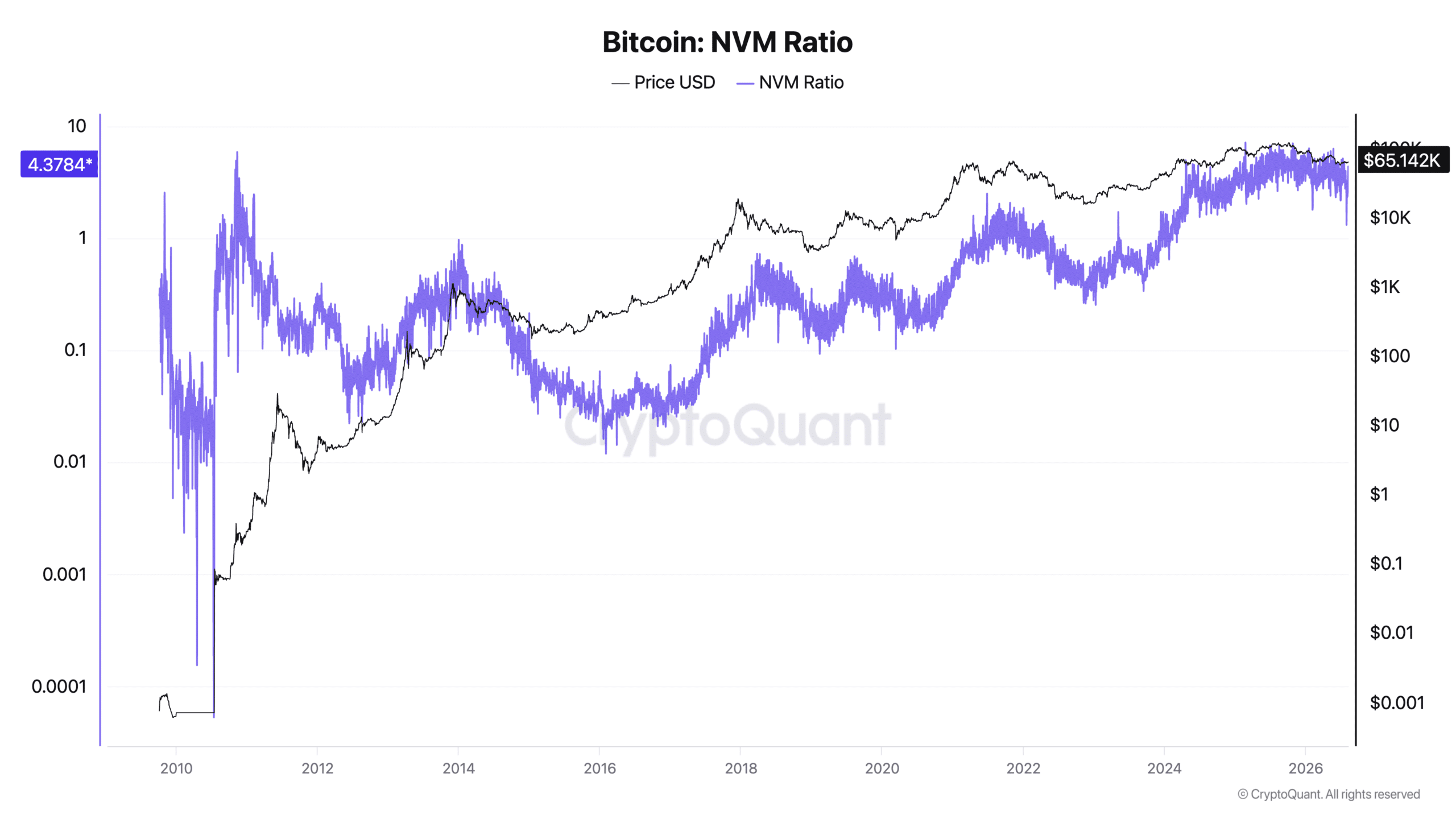
現在、NVMレシオは2026年初頭や2025年の一部のピーク値からは低下していますが、グラフは以前の市場調整時に見られた低い値よりも依然として大幅に高いことを示しています。
言い換えれば、極端な過小評価や重大な投機的ピークを明確に示すのではなく、この数値はネットワーク活動に関連して、健全ではあるが高まった評価を示しています。
最終まとめ
- Saylorは、Bitcoinのハッシュパワーの約99.85%がBitcoinに留まっているため、最近のフォークは十分な重要性を得られなかったと主張しました。
- Dan Heldもまた、開発者の時間と労力を無駄にしたとしてBIP-110を批判しました。
クイック回答
マイケル・セイラー氏はBIP-110について何と述べましたか?
セイラー氏はBIP-110を批判し、ビットコインを支配する者は誰もいないと述べました。彼は、ネットワークはこの問題についてすでに答えを出していると主張しました。
マイケル・セイラー氏は、誰かがビットコインを支配していると考えていますか?
いいえ。抜粋に基づくと、セイラー氏は個人やグループがビットコインを支配することはないと述べています。
BIP-110の議論におけるセイラー氏の主な主張は何ですか?
彼の中心的な主張は、単一の権威ではなく、ビットコインのネットワークそのものがその方向性を決定するという点です。
Sourced by
Originally reported by ambcrypto.com
NewsLayer coverage based on externally reported material.
The Daily Brief
The onchain economy, before your day starts.
Curated markets, onchain insights, and key headlines — delivered every weekday morning.
Weekdays · Free · ~5 minute read
0
Applause
Was this article helpful?
Market Context
Bitcoin
BTC
$84,010
-0.65% (24H)
Market Cap
$1.69T
Circulating Supply
20.1M BTC
24H Volume
$30.8B
24H High
$85,247
Article Intelligence
Key Entities
Topics
Related Coverage
 CryptoBitcoin Price Prediction as Trump Rejects Iran’s 7-day Ceasefire Proposal2時間前 · 2 min read
 CryptoBitcoin ETF Inflows Signal a Sea Change in Investment Strategy2時間前 · 3 min read
 CryptoWhy Is BTC Price Falling Today? Bitcoin’s Move Toward $82.6K Puts Apeing’s New Crypto Presale in Focus With 106K Raised26分前 · 1 min read
Sponsored
Ad
NewsLayerLearn more
NewsLayer Premium
Unlock deeper intelligence.
Ad-free reading, exclusive research, and real-time onchain insights.
Go Premium