

Imagine waking up to news that a hardware wallet has been compromised, resulting in the staggering loss of approximately $116 million. For many in the cryptocurrency sphere, it feels like walking through a minefield. This alarming incident has ignited a fierce discussion about the merits of self-custody versus more regulated custody options as Bitcoin's landscape undergoes seismic shifts. With a significant uptick in investments pouring into US spot Bitcoin ETFs, institutional players are reevaluating their approach to asset security and risk management. This article aims to dissect these unfolding scenarios, examine the market's current state, and offer insights for Web3 startups striving to optimize their custody strategies amidst this turbulent atmosphere.
Navigating Bitcoin Custody Risks in the ETF Era
Imagine waking up to news that a hardware wallet has been compromised, resulting in the staggering loss of approximately $116 million. For many in the cryptocurrency sphere, it feels like walking through a minefield. This alarming…
OneSafe.io
Publisher
Aug 15, 2026 at 2:12 AM UTC · 3 分で読める

Entities
bitcoin
Market Impact
BTC+0.73%$82,468
Last Updated
2ヶ月前
A Wake-Up Call for Self-Custody
When the dust settled from the recent hardware wallet breach, one thing became clear: the self-custody model, once hailed as a fortress, has cracks. Traditionally viewed as the bedrock of security, this method is now under scrutiny as vulnerabilities threaten investor confidence. As whispers of insecurity grow louder, established financial institutions lean increasingly toward the safety net of regulated solutions like ETFs. For startups, this moment serves as a rallying cry to reassess how they manage their cryptographic assets. Shifting toward more secure custody solutions may not just safeguard their holdings but streamline operations as the industry converges toward regulated frameworks.
Market Context
Bitcoin
BTC
$82,467
+0.73% (24H)
Market Cap
$1.66T
24H Volume
$19.9B
24H High
$83,100
Article Intelligence
Key Entities
Related Coverage
 CryptoXRP’s 13-week ETF inflow streak ends as Bitcoin and Ethereum withdrawals continue2時間前 · 1 min read
 CryptoBitcoin and ethereum prices today, Monday, October 19, 2026: Crypto prices hold as oil slides back from 5-month highs1時間前 · 1 min read
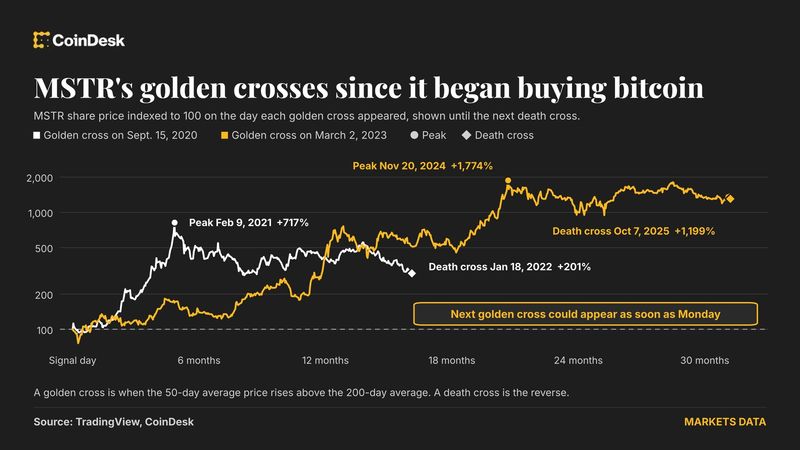 CryptoStrategy on verge of golden cross, just weeks after bitcoin flashed same bullish signal2時間前 · 1 min read
Sponsored
Ad
NewsLayer Premium
Unlock deeper intelligence.
Ad-free reading, exclusive research, and real-time onchain insights.
Go Premium