

Çarşamba günü, bitcoin XBT/USD paritesinde coin başına $63,600 seviyesinde tutunuyor ve kripto para piyasasındaki payı %60-70 civarında tahmin edilerek baskın kalmaya devam ediyor.
Bitcoin $63,600 seviyesinde: ether $1,900'a düştü
Bitcoin $63,600 seviyesinde: ether $1,900'a düştü Coinspot.io
Coinspot.io
Publisher
Aug 12, 2026 at 5:57 PM UTC · Updated 2 ay önce · 3 dk okuma

Key Signal
$63,600 Bitcoin price level
Entities
bitcoin
Market Impact
BTC-0.17%$85,947
Last Updated
2 ay önce
Sıralama
en iyi yatırımcıların
görüşüne göre
GERÇEK KULLANICILARIN“+%40 Kar ile Kapanan İşlemler”
“Ayda +1,300$ Kar”
“Düzenli 500$–600$ Para Çekme”
Kripto Para Piyasası Fiyatları
Kripto para piyasasının toplam kapitalizasyonu 3.2 trilyon Amerika Birleşik Devletleri dolarını aşıyor. Bu arka planda, ETH/USD paritesindeki Ethereum $1,900 seviyesine geriledi ve XRP/USD paritesindeki Ripple $1.01 seviyesine düzeltme yaptı.
Ana varlıklar arasında, işlem hacmi ve kapitalizasyon açısından aşağıdakiler öne çıkmaktadır:
- Bitcoin: piyasa kapitalizasyonuna göre en büyükler arasında yer alan kripto piyasasının temel varlığı.
- Ethereum: yine en büyük piyasa varlıkları arasında yer alan temel kripto paralardan biri.
- USDT: yüksek işlem hacmine sahip ana stabilcoin.
- Solana, BNB Chain ve Dogecoin: işlem hacmi ve kapitalizasyon liderleri arasında dikkat çeken varlıklar.
Kripto Para Fiyatları Nasıl Oluşur
Kripto piyasasındaki fiyat, borsalardaki arz ve talep dengesiyle oluşur: alıcılar ve satıcılar emirler verir ve işlemler varlığın mevcut değerlemesini yansıtır. Fiyat dinamikleri üzerindeki en etkili faktörler şunlardır:
Market Context
Bitcoin
BTC
$85,966
+0.01% (24H)
Market Cap
$1.73T
24H Volume
$21.1B
24H High
$86,702
Article Intelligence
Key Entities
Topics
Related Coverage
 CryptoBasis trade returns to the crypto market. Why are positions on Ethereum growing faster than on Bitcoin?8 dakika önce · 2 min read
 CryptoBitcoin Near $85.5K as Yields Test Regulatory Hopes14 dakika önce · 2 min read
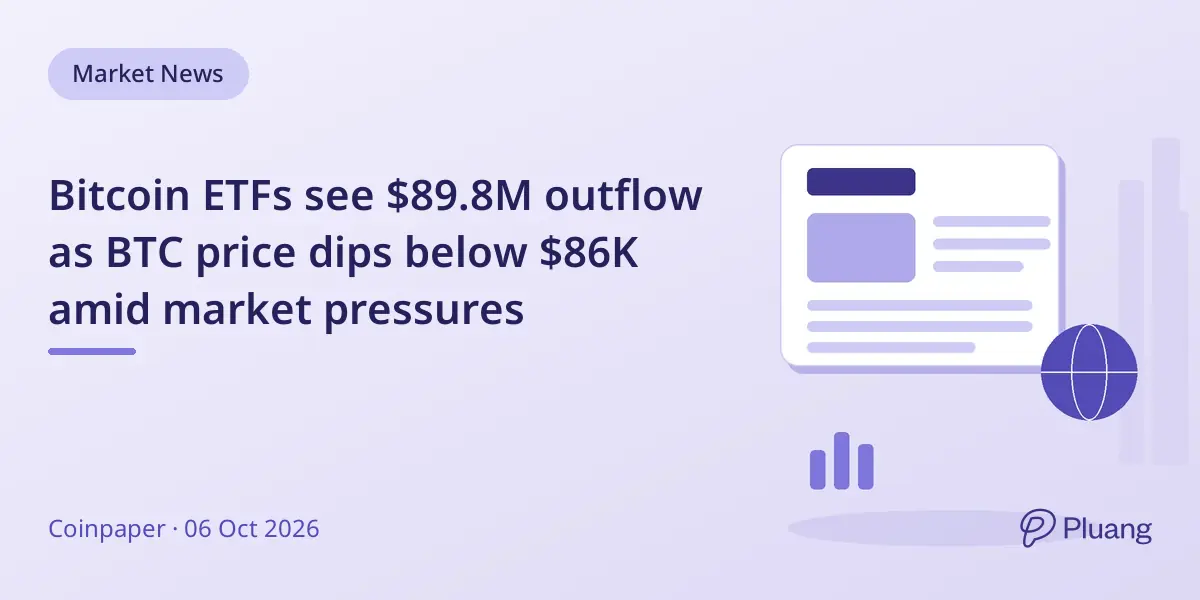 CryptoBitcoin ETFs see $89.8M outflow as BTC price di...16 dakika önce · 1 min read
Sponsored
Ad
NewsLayerLearn more
NewsLayer Premium
Unlock deeper intelligence.
Ad-free reading, exclusive research, and real-time onchain insights.
Go Premium