
European regulators are reportedly scrutinizing Binance’s use of a legal exemption to continue serving customers in the European Union without authorization under the bloc’s crypto rules.
Binance’s EU services face scrutiny over licensing exemption: Report
EU regulators are reportedly examining Binance’s use of a MiCA exemption to serve customers as ESMA seeks stronger enforcement powers.
Cointelegraph by Helen Partz
Publisher Cointelegraph
Oct 1, 2026 at 10:07 AM UTC · 2 分钟阅读

Entities
binance
Last Updated
6 小时前
翻译中…
The European Securities and Markets Authority (ESMA) and regulators in France, Germany and Greece are examining Binance’s use of reverse solicitation under the Markets in Crypto-Assets Regulation (MiCA), the Financial Times reported on Thursday.
Binance withdrew its Greek MiCA application in June and said it would seek authorization in another EU member state.
Binance told Cointelegraph on Sept. 18 that it continues pursuing MiCA authorization and remains committed to operating in Europe on a long-term compliant basis.
Reverse solicitation under scrutiny
Binance is relying on reverse solicitation to continue serving some EU customers, the report said, citing a person familiar with the matter.
The exemption allows non-EU crypto asset service providers (CASPs) to serve customers who approach them entirely on their own initiative, but ESMA’s guidelines stress that companies cannot use it to circumvent MiCA requirements.
Related: Binance disappears from Google Play in certain EU countries
Ahead of the end of MiCA’s transitional period on July 1, Binance told Cointelegraph that EU access would depend partly on a user’s jurisdiction, account status and “servicing entity.” Some EU traders are now being served through Binance’s Abu Dhabi-regulated entity, according to the FT.
Article Intelligence
Key Entities
Regulation Signal
enforcedUpdated 2 个月前
MiCA Full Application for Crypto-Asset Service ProvidersRelated Coverage
 PolicyEBA pushes for MiCA expansion as EU targets crypto lending risks1 小时前 · 4 min read
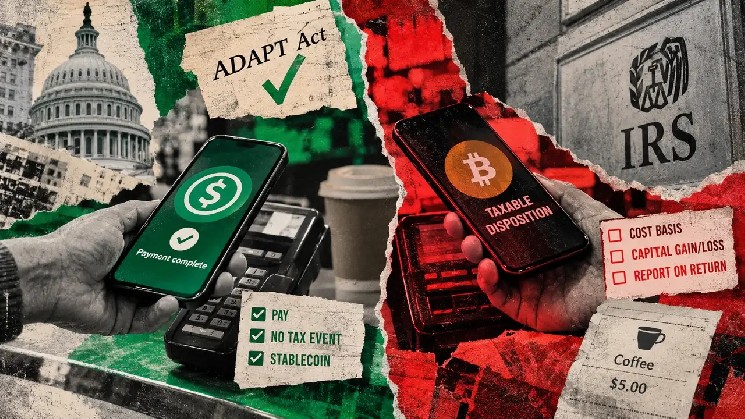 CryptoSenate tax bill frees stablecoin spending while Bitcoin stays on IRS forms18 分钟前 · 3 min read
 PolicyEvernorth shareholders approve $1 billion XRP treasury deal, clearing path to Nasdaq debut40 分钟前 · 1 min read
Sponsored
Ad
NewsLayerLearn more
NewsLayer Premium
Unlock deeper intelligence.
Ad-free reading, exclusive research, and real-time onchain insights.
Go Premium