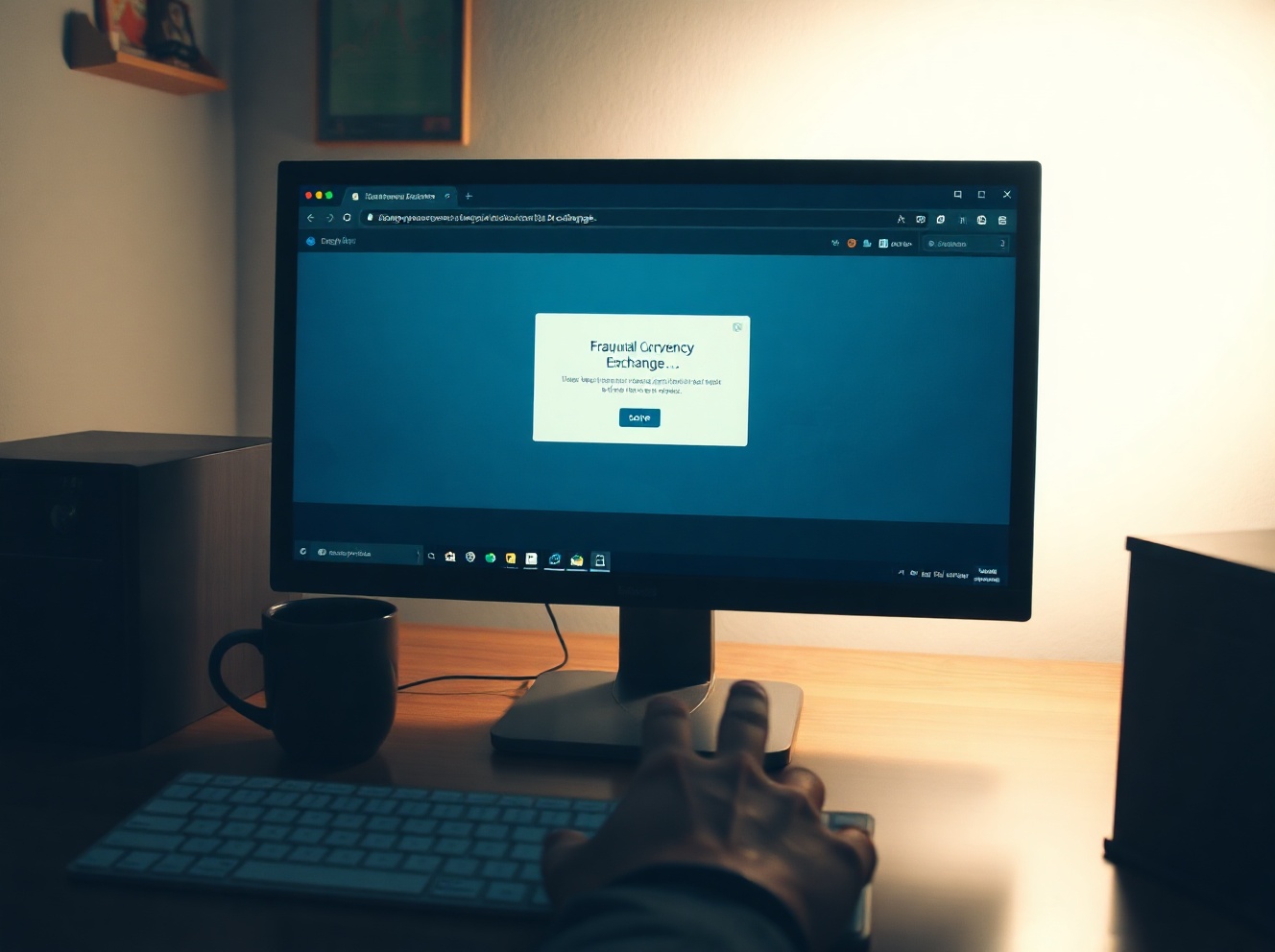
For EU crypto holders, the risk is not just financial loss but also a potential loss of confidence in the regulated market. The scams also highlight the need for clear communication from both regulators and legitimate exchanges to help users distinguish between genuine migration processes and fraudulent schemes.
What Users Should Watch For
Experts advise users to verify any communication that asks them to move assets or provide sensitive information. Official migration notices typically come from the exchange’s verified channels, not through unsolicited emails or links. Users should also double-check website URLs for subtle misspellings or variations, and never share private keys or passwords with any platform that is not officially licensed under MiCA.
Broader Implications for Crypto Regulation
The surge in impersonation scams after MiCA’s rollout raises questions about the readiness of the regulatory framework to handle such transitions smoothly. It also highlights the need for more robust consumer education and faster mechanisms to take down fraudulent sites. Regulators may need to work more closely with cybersecurity firms and legitimate exchanges to monitor and respond to these threats in real time.
For now, the onus remains on individual users to remain vigilant. As MiCA continues to shape the EU’s crypto market, both regulators and industry participants must prioritize security and transparency to protect the integrity of the new system.
Conclusion
The post-MiCA environment has brought both regulatory clarity and new risks. The surge in fake ‘legal exchange’ scams serves as a reminder that even well-intentioned regulations can create temporary vulnerabilities. For crypto users, staying informed and cautious is essential. For regulators and exchanges, the challenge is to ensure that the transition to a regulated market does not come at the cost of user safety.
FAQs
Q1: What is MiCA and why did it lead to scams?
MiCA is the EU’s comprehensive regulatory framework for crypto-assets. It forced unlicensed platforms to stop serving EU customers, leading to a mass migration of users. Scammers exploited this transition by impersonating legitimate exchanges and regulators to trick users into moving funds to fake platforms.
Q2: How can I protect myself from fake exchange scams?
Always verify the legitimacy of any communication that asks you to move assets or provide personal information. Use official exchange apps or websites directly, double-check URLs, and never share private keys or passwords. Only use platforms that are MiCA-compliant and listed on official EU registers.
Q3: What should I do if I think I’ve been targeted by a scam?
Immediately stop any further interaction with the suspected fraudulent platform. Contact your bank or payment provider if you’ve shared financial details, and report the incident to your national financial regulator and local law enforcement. You can also alert the legitimate exchange being impersonated so they can warn other users.
Disclaimer: The information provided is not trading advice, Bitcoinworld.co.in holds no liability for any investments made based on the information provided on this page. We strongly recommend independent research and/or consultation with a qualified professional before making any investment decisions.