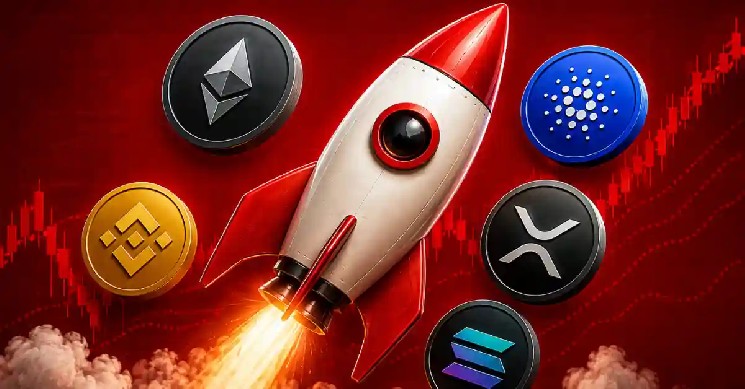
The core of the plan is to open a limited range of trading to non-professional investors. The Bank of Russia will allow them to buy Bitcoin, Ethereum and USDT through approved intermediaries such as brokers, exchanges and asset managers. The annual purchase cap remains 300,000 roubles, as previously discussed.
The Bank of Russia said in a notice on Aug. 11 that protecting non-professional investors was behind the move. It said, "To protect non-professional investors from cryptocurrency-related risks, we allowed trading only in the most liquid cryptocurrencies."
It also presented criteria for selecting eligible tokens. Under the law, eligible assets will be determined based on market capitalisation, average daily trading volume and price history on overseas exchanges. Average market capitalisation over the past 2 years must exceed 5 trillion roubles, and average daily trading volume over the same period must be at least 1 trillion roubles. At least 5 years of trading history before listing is also required.
By contrast, qualified investors will be allowed a wider range of trading. They can buy without limits all cryptocurrencies traded on Russian exchanges and in the over-the-counter market. Regardless of investor type, investors must take a test to confirm their risk awareness before making actual trades.
The Bank of Russia is also issuing additional detailed rules on cryptocurrency-related activities such as exchange, custody and margin trading. The central bank must prepare more than 30 detailed guidelines by November, covering traditional financial firms and fintech companies, stock exchanges and "digital depositories" that serve as cryptocurrency custodians.
Market acceptance remains uncertain. In a recent survey, about 70 percent of Russians said they do not expect cryptocurrencies to be widely used under the conditions and restrictions set out by the government. That leaves how much demand emerges after the system takes effect in September, and how far the limited approach brings Russia's cryptocurrency market into the regulated sector, as the next points to watch.