Guaranteed Returns Remain a Recurring Crypto Fraud Warning Sign
Promises that investment principal will remain safe while generating unusually strong returns are a recurring feature in crypto fraud cases, especially when the advertised trading activity is difficult to verify. In one case, an Ohio operator raised more than $10 million after claiming expertise in bitcoin derivatives while guaranteeing principal, with newer investor deposits used to repay earlier participants in a Ponzi-style repayment pattern. In a separate SEC case, a promoter allegedly raised $12.3 million from about 150 investors using supposed artificial intelligence trading bots, even though only about $380,000 was allegedly used to purchase crypto and the advertised bots did not perform the claimed trading.
Consumers evaluating crypto investments can treat guaranteed or unusually high returns as a significant warning sign before transferring funds. Ponzi schemes often rely on money from newer participants to sustain payouts to earlier investors, while false investment performance and promises that appear too good to be true can signal fraud.
The CFTC stated:
“In total, approximately 1,600 customers contributed at least $397 million to the defendants’ fraud.”
A separate risk comes from phishing attempts that impersonate legitimate wallets or exchanges and direct users to fake websites designed to steal login details or private keys. Users can reduce that exposure by double-checking website URLs, bookmarking official sites, never sharing private keys, and treating unsolicited messages cautiously before entering credentials or transferring funds.
CFTC Seeks Restitution, Penalties and Market Bans
The CFTC is asking the federal court for restitution, disgorgement, civil monetary penalties, trading and registration bans, and a permanent injunction against further violations. Similar remedies have appeared in other digital asset enforcement cases, including the permanent trading and registration bans imposed on Celsius founder Alexander Mashinsky after a federal court entered a consent order in June.
Those remedies differ from the SEC’s requested relief, which includes injunctions and disgorgement against Goliath, while Delgado has agreed to a judgment subject to court approval. The amount of his disgorgement, prejudgment interest, and civil penalty would be determined later by the court.
SEC Alleges $425 Million Scheme as Agencies Coordinate
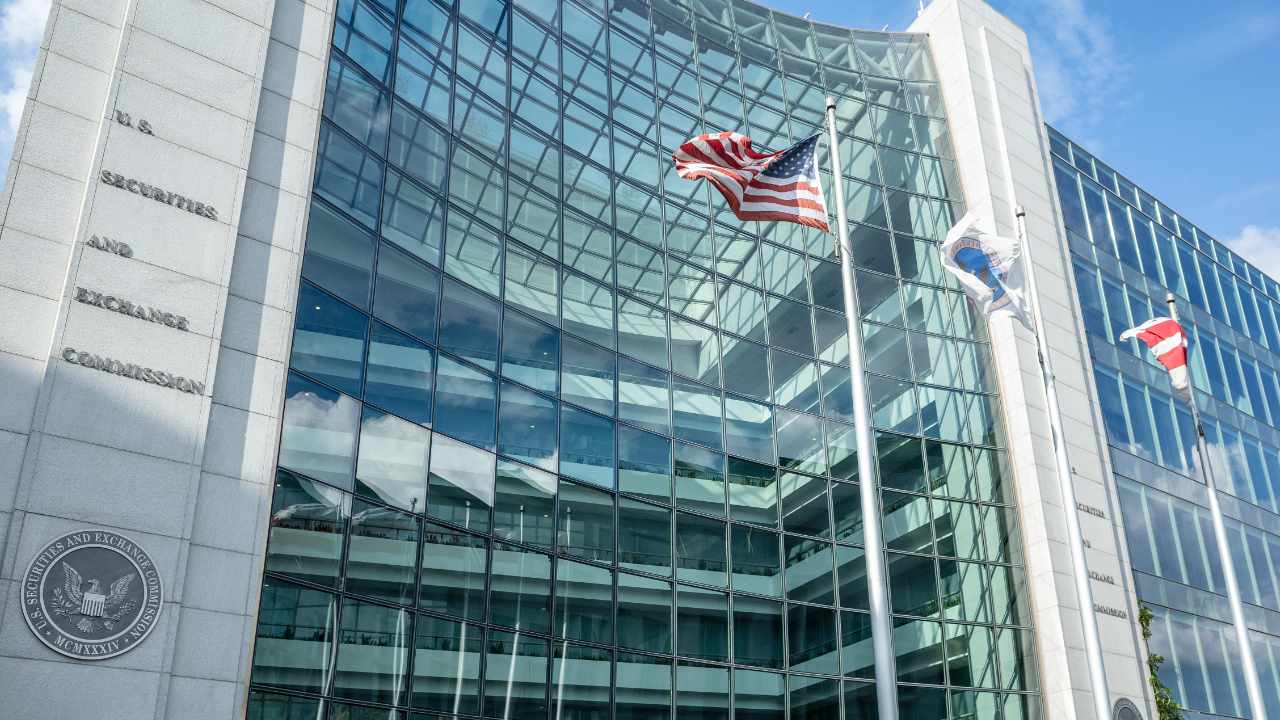
The U.S. Securities and Exchange Commission (SEC) filed a parallel civil action Aug. 11, alleging Goliath and Delgado raised at least $425 million from over 1,300 investors between January 2023 and January 2026. Investors were allegedly offered unregistered securities tied to purported crypto asset liquidity pools and promised monthly profit distributions of 3% to 10%, along with guaranteed principal.
The SEC alleges no investor funds or crypto assets entered the purported liquidity pools, while Delgado misappropriated at least $51 million for personal use, including homes, luxury vehicles, a yacht, and travel. Goliath allegedly fabricated account balances and performance metrics before halting monthly distributions in November 2025 when new investor money could no longer sustain repayments.
The parallel cases arrive as both regulators expand coordination where crypto, securities, and derivatives oversight intersect. CFTC Chairman Michael S. Selig has described parallel actions and information sharing as tools for reducing duplicative or inconsistent enforcement outcomes, while preserving each agency’s distinct jurisdiction.
Federal regulators formalized that cooperation March 11 when the agencies entered a memorandum of understanding covering policymaking, examinations, surveillance, risk monitoring, and enforcement. The agreement also established a Joint Harmonization Initiative that includes crypto assets among areas of shared regulatory interest.