The comments echo statements he made in October, when he noted that governments cannot "fake" Bitcoin the way they can with fiat currencies.
Bitcoin mining requires substantial electricity to power computers that solve cryptographic puzzles, a process that secures the network and introduces new coins into circulation.
Why It Matters: Government Operations
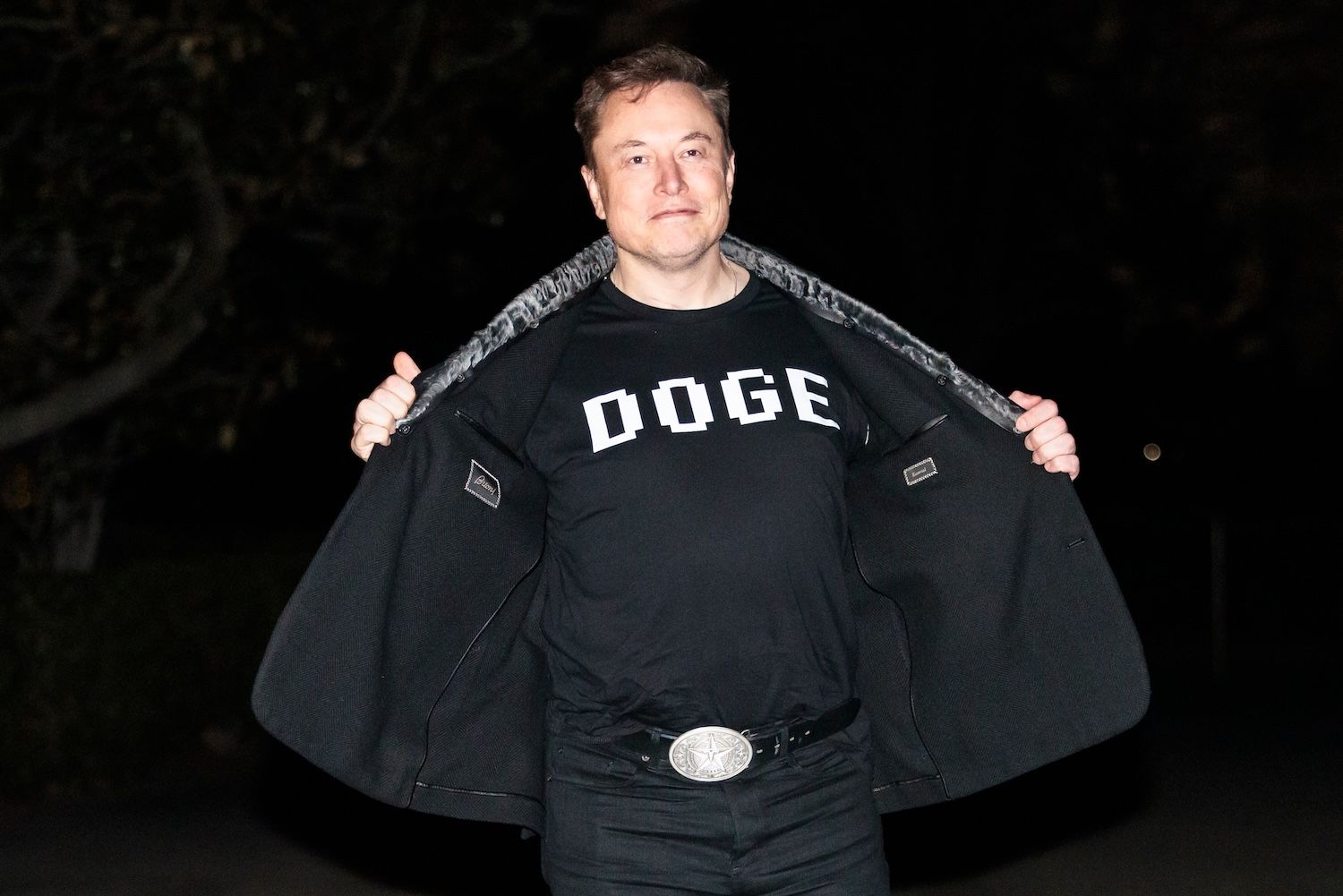
Musk addressed his Department of Government Efficiency, known by the acronym DOGE, calling it an "interesting side quest" that revealed the "inner workings" of government operations. "So a bunch of things that DOGE did were just very common sense, things that would be normal for any organisation that cared about financial responsibility," he said.
The department dismissed reports of its closure last week, stating it would resume "regularly scheduled" updates. Musk confirmed the initiative continues to function.
"It's still going on, by the way. DOGE is still happening," he said.
The DOGE website lists approximately $214 billion in savings, with its most recent update posted Oct. 4. However, reports have questioned these figures, suggesting they may inflate actual savings by counting maximum possible contract values rather than confirmed spending reductions. The acronym shares its name with meme cryptocurrency Dogecoin, which saw increased trading activity following President Donald Trump's election victory and the announcement of the efficiency initiative.

Alexey Bondarev is the Head of Content at Yellow.com, having reported on crypto for the last 10 years. He specializes in in-depth Research and Learn pieces, with a focus on analytical reporting, industry context, and the bigger forces shaping crypto, from the AI era and security technologies to fintech innovation. He believes that everything digital will imminently overcome everything analogue and is working hard to make that come true.